
Key Principles of Modern Coastal Architecture
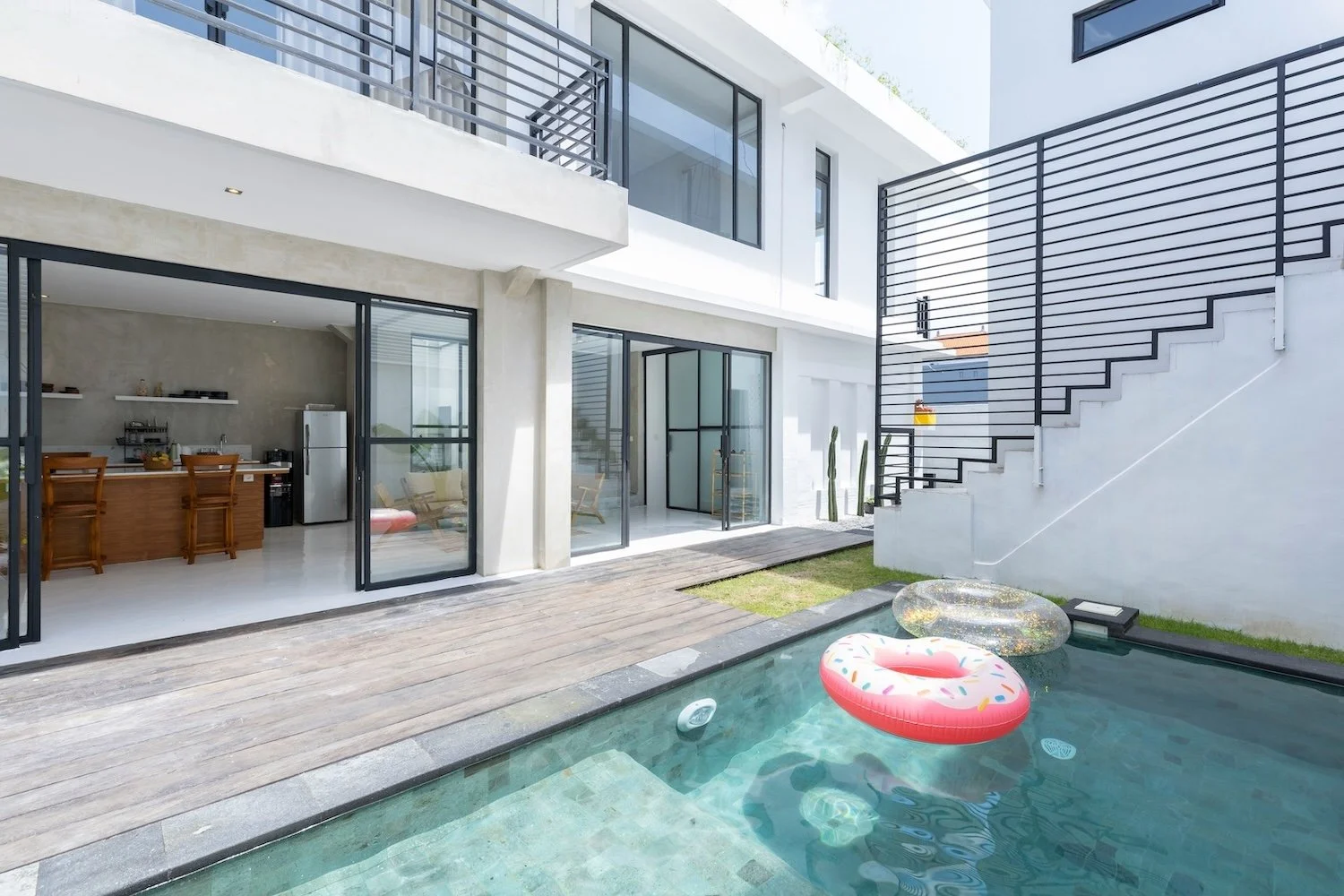
Modern coastal architecture combines contemporary design principles with a direct response to the coast. Rather than placing a modern building beside the ocean and calling it coastal, the architecture is shaped by views, natural light, prevailing weather, landscape, materials and the way people use the home.
Successful modern coastal design balances visual simplicity with practical performance. Architectural form, site orientation, glazing, durable materials and indoor-outdoor living all work together to create modern coastal homes that feel connected to their setting.
What Is Modern Coastal Architecture?
Modern coastal architecture is a form of contemporary residential design that uses clean forms, restrained materials, open layouts, and generous glazing while responding carefully to the coastal environment. Climate, topography, views, sunlight, and lifestyle all influence the final design.
For example, coastal architects in Florida may respond to different environmental conditions and regional characteristics than those in California, where factors such as climate, terrain and exposure can shape the design in different ways.
This site-responsive architecture avoids a generic beach-house formula. A modern beach house on an exposed oceanfront site may require a very different approach from a sheltered bay or coastal hillside property.
As a result, modern coastal home design is less about following one recognizable style and more about creating architecture that responds intelligently to its location.
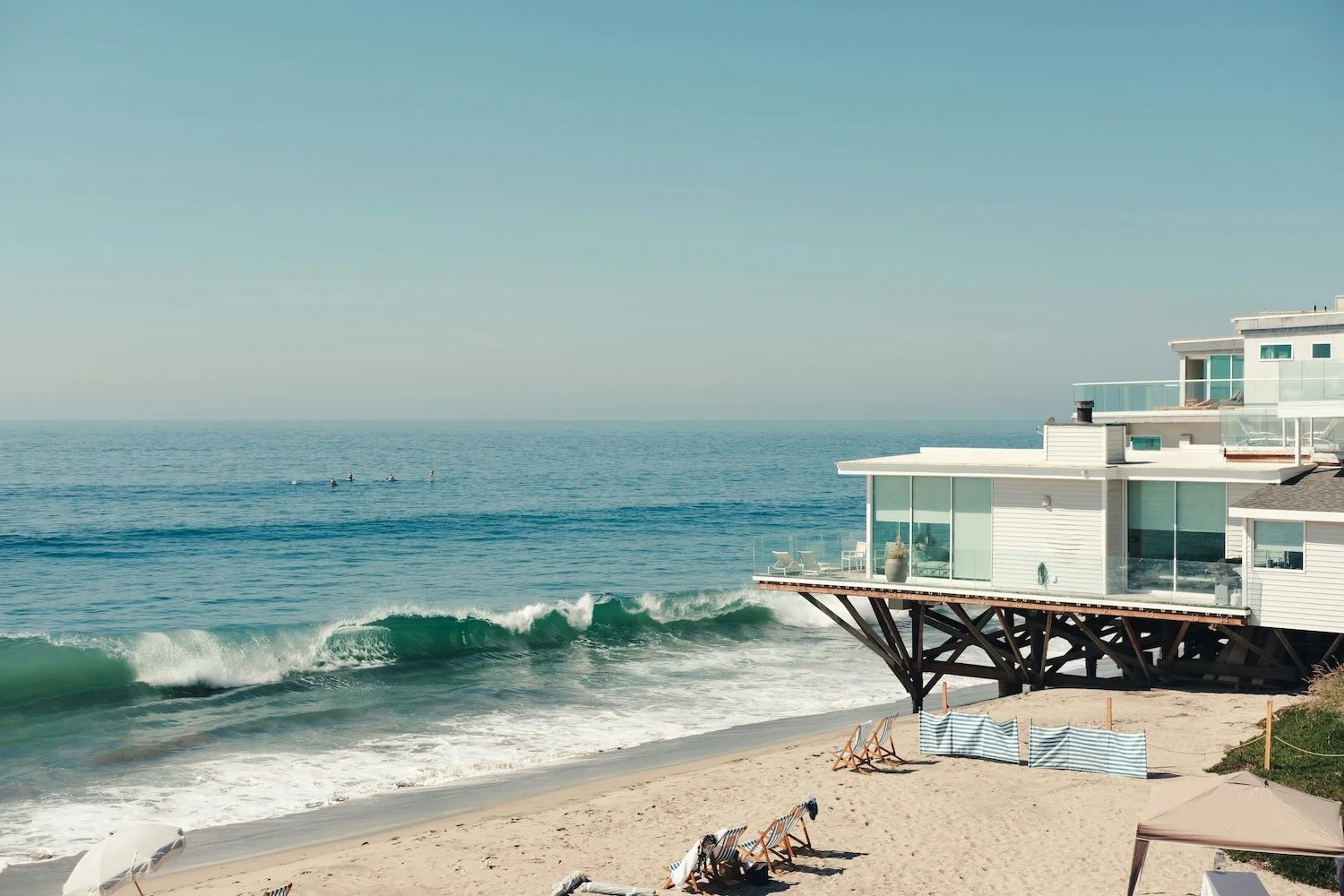
What Defines Modern Coastal Architecture?
Modern coastal architecture is defined by several connected design principles rather than decorative coastal features. Clean contemporary architecture, carefully selected materials, strong connections to the landscape, natural light, and flexible indoor-outdoor spaces help modern coastal homes feel appropriate to their environment.
Clean Forms and a Restrained Material Palette
Modern coastal design often uses clean geometry, simple roof forms, uncluttered elevations and restrained architectural detailing. The goal is to give the building a clear identity without allowing it to compete visually with the surrounding landscape.
Natural materials such as timber and stone can add warmth, while concrete, metal and architectural glazing provide durability and a contemporary character. The right coastal materials should respond to both appearance and performance. A restrained material palette can also help coastal views, vegetation and changing natural light remain prominent parts of the overall experience.
A Strong Sense of Place
A strong sense of place begins with understanding the specific conditions of the site. Orientation, shoreline, topography, sunlight, vegetation, and important views can all influence how a coastal home is positioned and shaped.
Good site-responsive architecture helps occupants experience the coastal landscape instead of simply reproducing a recognizable architectural style. One site may call for open ocean-facing spaces, while another may require protected courtyards or more controlled openings.
Because coastal environments vary considerably, place-based design should produce different architectural responses rather than a standard solution applied to every location.
Framing Ocean Views and Natural Light
Ocean views are often central to coastal architecture, but successful design does more than maximize the amount of glass. Window placement and architectural glazing can be used deliberately to frame important views and guide attention toward the surrounding landscape.
Large horizontal openings may capture broad coastal panoramas, while smaller or more focused windows can highlight specific framed views.
Carefully positioned glazing can also bring natural light deeper into the home. However, orientation, glare and solar exposure should be considered so that expansive glazing supports comfort and performance as well as visual connection.
Indoor-Outdoor Living and Flexible Spaces
Indoor-outdoor living is a defining feature of many modern coastal homes. Terraces, courtyards, decks, covered outdoor rooms and large openings can extend everyday living spaces into the surrounding landscape and strengthen the relationship between the home and the coast.
These spaces also support the way coastal homes are often used. Open-plan living areas may need to work for quiet daily routines as well as larger gatherings with family and guests. Flexible
spaces, informal seating areas and protected outdoor zones can therefore make coastal living more practical without sacrificing the clarity of the architecture.
Designing for Coastal Climate and Durability
Coastal architecture must respond to environmental conditions as carefully as it responds to views. Salt air, strong sunlight, prevailing winds, humidity, sand and storm exposure can influence orientation, shading, material selection and architectural detailing.
Weather-resistant materials and corrosion-resistant finishes can help improve coastal durability, particularly where metal components and exterior surfaces are exposed to salt. Roof overhangs, covered terraces and carefully positioned openings can provide protection from sun and weather while preserving outdoor connections.
Natural ventilation and cross ventilation may also reduce heat buildup by taking advantage of coastal breezes.
A resilient coastal design therefore combines aesthetics with climate-responsive design. The goal is not simply to create a home that looks appropriate beside the coast, but one that performs well within demanding coastal conditions.
Modern Coastal Architecture vs. Traditional Coastal Design
Modern coastal architecture generally uses cleaner geometry, simpler detailing and stronger connections between architecture and landscape than traditional coastal architecture.
Contemporary coastal architecture may feature large areas of glazing, open layouts and restrained materials, while traditional coastal homes may rely more heavily on pitched roofs, recognizable regional details and established beach-house forms.
Neither approach is automatically better. The right coastal house design depends on the specific site, climate, surrounding architecture and preferences of the people who will live there. In some locations, a modern beach house may be appropriate. In others, elements of local coastal traditions may provide important context for a more considered architectural response.
Modern Coastal Architecture Starts With the Site
The strongest modern coastal architecture begins with an understanding of the site rather than a predetermined visual style. Climate, orientation, views, coastal landscape, neighbouring context and the lifestyle of the occupants should inform the design from the earliest stages.
From there, contemporary forms, appropriate materials, environmental performance and indoor-outdoor living can work together to create a home that feels naturally connected to the coast.
This site-responsive design approach produces coastal residential architecture that is not only visually refined, but also practical, durable and specific to its setting.