
Preserving Mobility in Your 30s and 40s: When Non-Surgical Knee Viscosupplementation Becomes Necessary
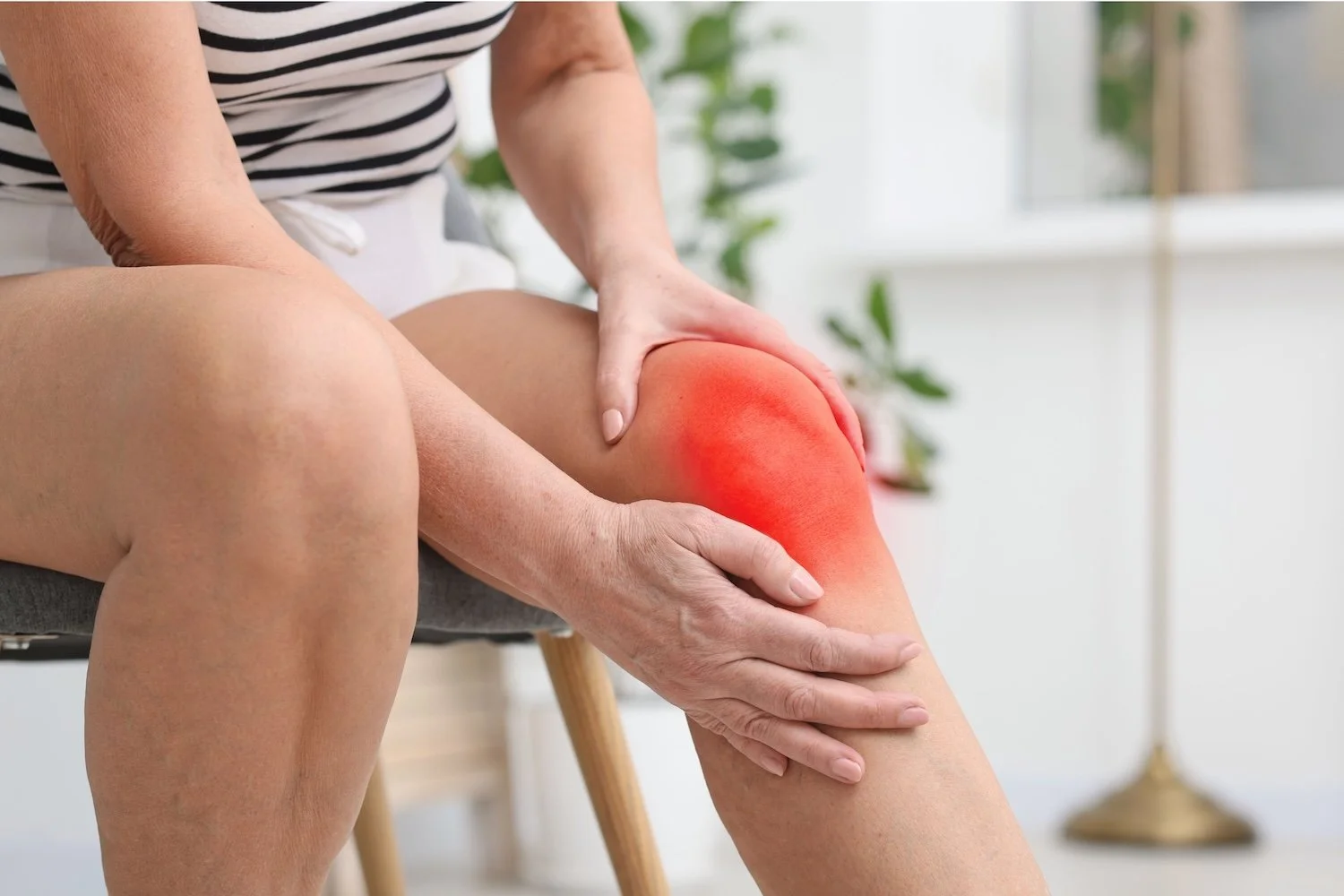
Knee stiffness after a long drive or a sharp ache during a routine descent down a flight of stairs often feels like an unwelcome surprise in mid-life. Many individuals expect joint issues to surface decades later, yet tissue changes inside the joint capsule often begin far earlier than expected. Early knee osteoarthritis no longer belongs exclusively to older populations; active adults, former athletes, and individuals with a history of joint trauma frequently experience structural wear during their prime working years.
Maintaining joint mobility requires recognizing these subtle structural shifts before severe degeneration sets in. When a joint loses its natural cushioning, every impact creates mechanical friction that degrades tissue faster over time. Addressing this friction early keeps movement fluid and helps prevent long-term functional loss.
The Biomechanics of Mid-Life Joint Wear
A healthy knee relies on a complex balance of articular cartilage and lubricating fluid. The internal surface of the joint is coated with synovial fluid, a viscous substance rich in hyaluronan that acts as both a lubricant and a hydraulic shock absorber. During high-impact movements, this fluid hardens slightly to absorb force; during slower movements, it thins to allow frictionless gliding.
Over time, or following structural damage, this fluid loses its protective properties. Reductions in synovial fluid viscosity mean the fluid turns watery, losing its capacity to buffer load. Without adequate shock absorption, mechanical stress transfers directly to the underlying cartilage matrix.
Post-injury knee degeneration accelerates this dynamic significantly. Individuals who suffered an ACL tear or a meniscal injury in their twenties often develop localized cartilage wear and joint space narrowing by their late thirties. Even when a surgical repair heals successfully, subtle changes in joint kinematics alter weight distribution across the tibial plateau. The resulting focal stress degrades cartilage matrix proteins faster than the body can synthesize them, setting off micro-inflammatory cycles that compromise the internal joint environment.
Clinicians monitor these structural shifts using radiographic criteria, primarily through the Kellgren-Lawrence grading system. Grade 1 indicates doubtful joint space narrowing with potential osteophyte formation, while Grade 2 shows definite osteophytes with possible joint
space impairment. Catching tissue degradation at these early stages provides a critical window where conservative intervention yields the highest return.
Recognizing Early Structural Shifts and Symptoms
Joint deterioration rarely happens overnight. Persistent knee pain and stiffness after periods of rest usually signal that the joint capsule is struggling to handle normal metabolic demands. Individuals often notice a deep, dull ache after standing for long periods or a feeling of catchiness when transitioning from sitting to standing.
Minor swelling after routine exercise routines that previously caused no issues
Stiffness in the morning lasting up to thirty minutes before the joint loosens
Crepitus, or a grinding sensation, felt during deep knee flexion or walking up stairs
Reduced range of motion that subtly limits stride length during regular activity
Ignoring these signs allows low-grade inflammation to breakdown native hyaluronic acid molecules within the joint space. As native hyaluronan fractures into lower molecular weight fragments, it promotes further inflammatory signaling rather than offering mechanical protection. Interrupting this downward cycle requires stepping back from high-impact activities and addressing the mechanical environment directly.
Conservative Strategies and the Limits of Routine Care
Initial management for mid-life joint pain almost always begins with conservative management. Adjusting daily routines to limit repetitive impact gives irritated tissues a chance to recover. Weight management plays a profound structural role here; every additional pound of body mass exerts roughly four pounds of extra pressure across the knee joint during daily locomotion.
Physical therapy focuses on strengthening the quadriceps, hamstrings, and hip stabilizers to take the load off the joint space. Strong surrounding muscles absorb a significant portion of ground reaction forces, effectively sparing the articular cartilage. Oral non-steroidal anti-inflammatory drugs or targeted topical gels frequently manage acute discomfort, providing temporary relief during flare-ups.
However, oral medications and physiotherapy do not restore the physical properties of degraded fluid within the joint space. Oral pain relievers alter symptom perception without modifying the local biomechanical environment, and prolonged use of oral anti-inflammatories carries gastrointestinal and cardiovascular risks. When structural friction remains high despite exercise modification and physical therapy, targeting the joint interior directly becomes necessary.
The Role of Non-Surgical Knee Viscosupplementation
When conservative measures fail to provide adequate relief, non-surgical knee treatment options offer a way to address mechanical dysfunction locally. Viscosupplementation
involves introducing exogenous hyaluronan formulations directly into the joint space to replenish degraded fluid. Rather than acting as a systemic medication, this approach restores physical lubrication and shock absorption directly where cartilage wear occurs.
An intra-articular injection places the therapeutic gel straight into the synovial cavity under sterile conditions. Once introduced, the material temporarily replaces the compromised native fluid, restoring normal rheological properties. This mechanical barrier lowers friction between opposing cartilage surfaces, reducing shear stress during movement and blunting the physical triggers of joint inflammation.
Beyond immediate mechanical cushioning, restoring fluid viscosity influences the local cellular environment. Research indicates that maintaining healthy fluid pressure and lowering friction slows down the mechanical breakdown of remaining articular cartilage. For patients in their late thirties or forties, this biophysical support helps maintain active routines while buying valuable time.
Synvisc is a high molecular weight viscosupplement designed specifically to mimic the elastic and viscous properties of young, healthy human synovial fluid. Formulated from hylan G-F 20, a chemically cross-linked hyaluronan derivative, it maintains a higher molecular mass than natural fluid, allowing it to remain inside the joint capsule longer to buffer structural forces. Clinicians utilize Synvisc primarily for patients with early knee osteoarthritis who have stopped responding adequately to simple analgesics or physical therapy. The treatment is delivered via a targeted intra-articular injection directly into the knee space, where the cross-linked gel cushions the articular cartilage, absorbs mechanical impact, and improves joint mobility. Medical practices that treat high volumes of active adults frequently manage inventory by choosing to order Synvisc joint injections in bulk to maintain ready access for scheduled treatment series. Using Synvisc in appropriate clinical candidates helps re-establish functional fluid mechanics, allowing patients to participate in rehabilitation programs with substantially less discomfort.
Clinical evidence supports utilizing high molecular weight cross-linked hyaluronan when managing early-to-moderate degenerative changes. A systematic review published in The Journal of Bone and Joint Surgery highlighted that cross-linked hyaluronic acid knee injections provide longer-lasting symptom relief and function improvements compared to non-cross-linked alternatives, largely due to their increased resistance to enzymatic degradation within the joint.
Long-Term Joint Preservation and Surgical Delay
Preserving natural joint architecture for as long as possible remains the primary goal for younger, active patients. Total knee arthroplasty yields excellent outcomes in older populations, but artificial joint implants have a finite lifespan. A patient receiving a joint replacement at age forty-four faces a high probability of complex revision surgery later in life, as artificial components wear down over time.
Integrating viscosupplementation into a broader joint preservation plan offers a viable bridge. By maintaining fluid cushioning and reducing mechanical abrasion, patients experience sustained symptom relief and function without jumping straight to invasive surgical options.
Combining periodic fluid supplementation with targeted strength training and sensible activity modification helps keep native joint structures viable for years.
Ultimately, managing joint health in your 30s and 40s requires a proactive stance against mechanical wear. Recognizing early warnings, addressing structural changes promptly, and utilizing targeted local interventions protects long-term movement. Delaying surgical intervention by preserving native tissue allows active adults to remain mobile, productive, and comfortable throughout their mid-life years.