
Bone Density Loss After 40: Understanding How Monoclonal Antibodies Target Osteoclast Activity
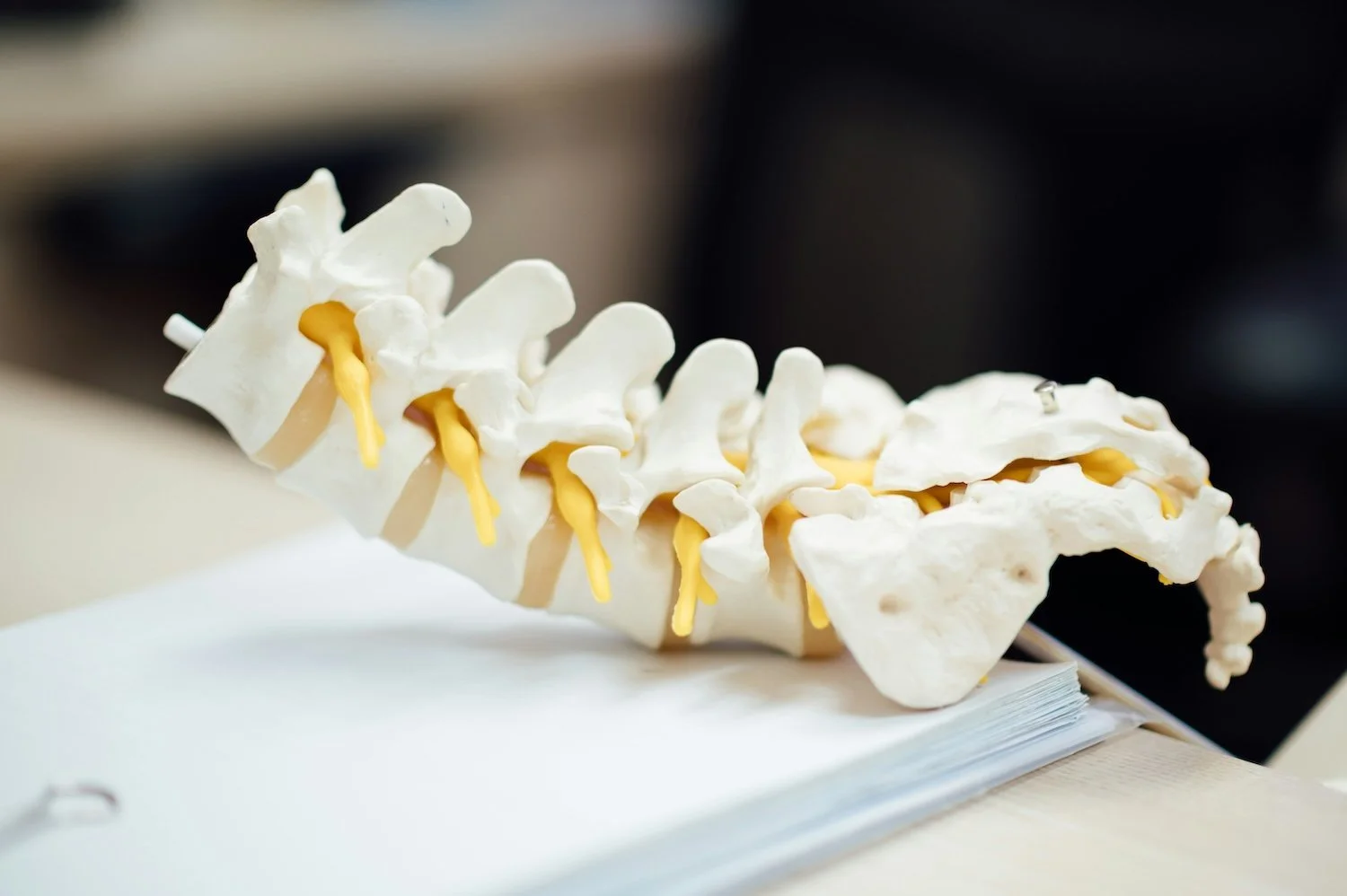
People generally view the human skeleton as a static framework. We imagine our bones are like the wooden studs inside the walls of a house. The reality is far more dynamic. Highly active. Constantly changing. The body constantly destroys old skeletal tissue and replaces it with fresh material. We refer to this continuous biological cycle as bone remodeling. A healthy youth maintains a strict balance. The construction phase easily outpaces the demolition phase.
This balance begins to alter around the age of forty. The biological math shifts against us. We start losing mass at a slow but steady pace. Hormonal shifts play a massive role in this physical decline. A drop in estrogen during menopause removes a protective layer over the skeleton. Women face a drastically accelerated rate of structural degradation. We classify this specific medical condition as postmenopausal osteoporosis. The bones become porous. The internal architecture weakens. A simple trip and fall suddenly becomes an emergency.
Physicians do not have to guess about the state of a patient's skeleton. They rely on precise imaging technology. A DEXA scan provides a clear look at the internal strength of the frame. This specialized x-ray measures the exact thickness of the tissue. A T-score compares the patient's density to a healthy young adult. A score of -1.0 or higher is normal. A score between -1.0 and -2.5 indicates osteopenia. Anything below -2.5 is classified as severe skeletal deterioration. These numbers give the doctor a precise reading of a patient's bone mineral density (BMD). A short imaging session; a profound diagnostic result. Low numbers trigger immediate clinical concern. The physician must find a way to halt the structural decline before a catastrophic break occurs.
The Demolition Crew at Work
We have to look under a microscope to figure out why the skeleton weakens. Two distinct types of cells control the entire structural environment. Osteoblasts handle the construction work. They lay down new minerals and build up the matrix. Osteoclasts handle the demolition.
Osteoclasts actually originate from the same family of cells as our immune system macrophages. They fuse together to form massive, multi-nucleated demolition machines. They attach tightly to the surface of the bone to create an isolated acidic environment. These acids dissolve the hardened tissue into raw calcium and phosphorus. We call this breakdown process bone resorption.
Problems arise when the demolition crew works faster than the builders. Overactive osteoclast activity hollows out the internal structure. They create deep pits and microscopic
caverns inside the bone. The outer shell might look normal on a standard x-ray; however, the inside resembles a fragile sponge.
Scientists spent decades trying to figure out how to slow down this demolition crew. They needed to find the specific chemical signals that tell the osteoclasts to start digging. The research eventually uncovered a complex communication network. The cells talk to each other using specific protein signals. The most critical communication route for skeletal health is the RANK ligand pathway.
Intercepting the Signal
Certain proteins bind to receptors on the surface of the osteoclasts. This chemical handshake activates the cell. The primary protein responsible for delivering this activation order is called RANKL. High levels of this protein mean the osteoclasts stay highly active. The breakdown accelerates.
Medical researchers realized they could protect the skeleton if they could simply block that protein. They developed targeted laboratory compounds called monoclonal antibodies. These are highly specialized proteins designed to find and attach to one specific target in the body. Think of them as biological guided missiles.
The injected antibodies hunt down the RANKL proteins. They bind to the signal molecules before those molecules can ever reach the osteoclasts. This blockade creates a profound physiological effect. The demolition cells never receive the order to start working.
The Role of Targeted Biologics
This mechanism of action serves as the foundation for modern osteoporosis treatment. Denosumab is the active medical compound designed to intercept these destructive signals. Prolia is the commercial brand name for this specific denosumab formulation. It is a prescription biologic engineered specifically to shut down excessive skeletal breakdown. The drug acts as a precise inhibitor that neutralizes the communication pathways responsible for structural deterioration. Medical clinics require a reliable supply of Prolia to manage their aging patient populations effectively. Practitioners often order Prolia for clinic use to ensure they have the targeted therapy available for scheduled patient administrations. Prolia gives doctors a proven tool to pause the physical damage caused by overactive osteoclasts. The treatment radically alters the biological environment inside the skeleton.
Patients do not take Prolia in pill form. Clinical protocols require a subcutaneous injection (every six months) administered in a professional medical setting. The antibody remains active in the patient's system for that entire half-year period. This creates a distinct advantage for patient adherence. People frequently forget to take daily pills. Oral medications for skeletal health also notoriously cause severe gastrointestinal irritation. A twice-yearly visit to the doctor bypasses the digestive tract entirely.
The Clinical Math
We refer to this specific therapeutic approach as RANKL inhibition. This shutdown of the activation signal gives the osteoblasts a chance to catch up. The bone-building cells continue to work while the breakdown cells remain dormant. The skeleton actually gains mass over time. The structural integrity improves.
We can look at large-scale clinical data to see how this translates to real patients. A landmark 2009 clinical review published in the New England Journal of Medicine examined the exact efficacy of this biologic approach. Researchers tracked thousands of women over three years. They recorded a massive fracture risk reduction across the study population. Patients receiving the antibody treatment experienced a 68 percent decrease in new vertebral fractures compared to the placebo group. They also saw significant drops in hip fractures.
Hip fractures often represent a point of no return for older adults. The loss of mobility cascades into severe secondary health issues. Many patients never regain their full independence. To stop the break before it happens is the only truly effective strategy. The data proves that manipulating these microscopic chemical pathways produces undeniable real-world protection.
The Necessary Raw Materials
Pharmaceutical intervention is only one half of the clinical equation. The antibody stops the breakdown of old tissue. The body still needs physical supplies to build the new tissue.
Here are the primary components of that supply chain:
A steady intake of dietary or supplemental minerals to form the hard matrix.
A biological mechanism to pull those minerals out of the digestive tract and into the bloodstream.
Doctors universally prescribe calcium and vitamin D supplementation alongside any biologic therapy. Calcium provides the actual physical material for the new bone. Vitamin D acts as the key that unlocks the digestive system. Without the vitamin, the calcium simply passes through.
A patient who takes a biologic drug without fixing their mineral intake will severely limit their results. The osteoblasts will try to build new bone but will find an empty supply room. The blood requires a very specific concentration of calcium to keep the heart beating properly. The parathyroid glands will literally steal calcium back from the skeleton if the dietary intake drops too low. Physicians must ensure the patient has enough raw materials to support the skeletal rebuilding process.
Changing the Trajectory
The approach to aging bones looks vastly different today than it did twenty years ago. Doctors previously relied on medications that simply accumulated inside the bone matrix. We now have the ability to use biologics like Prolia to manipulate the cellular communication network itself.
We can dictate the behavior of the cells. The ability to pause bone density loss provides a profound clinical advantage. The skeleton retains its density. The risk of catastrophic injury plummets. Medical science has found a way to rewrite the structural rules of aging.