
How to Choose the Right Residential General Contractor for Your Custom Home
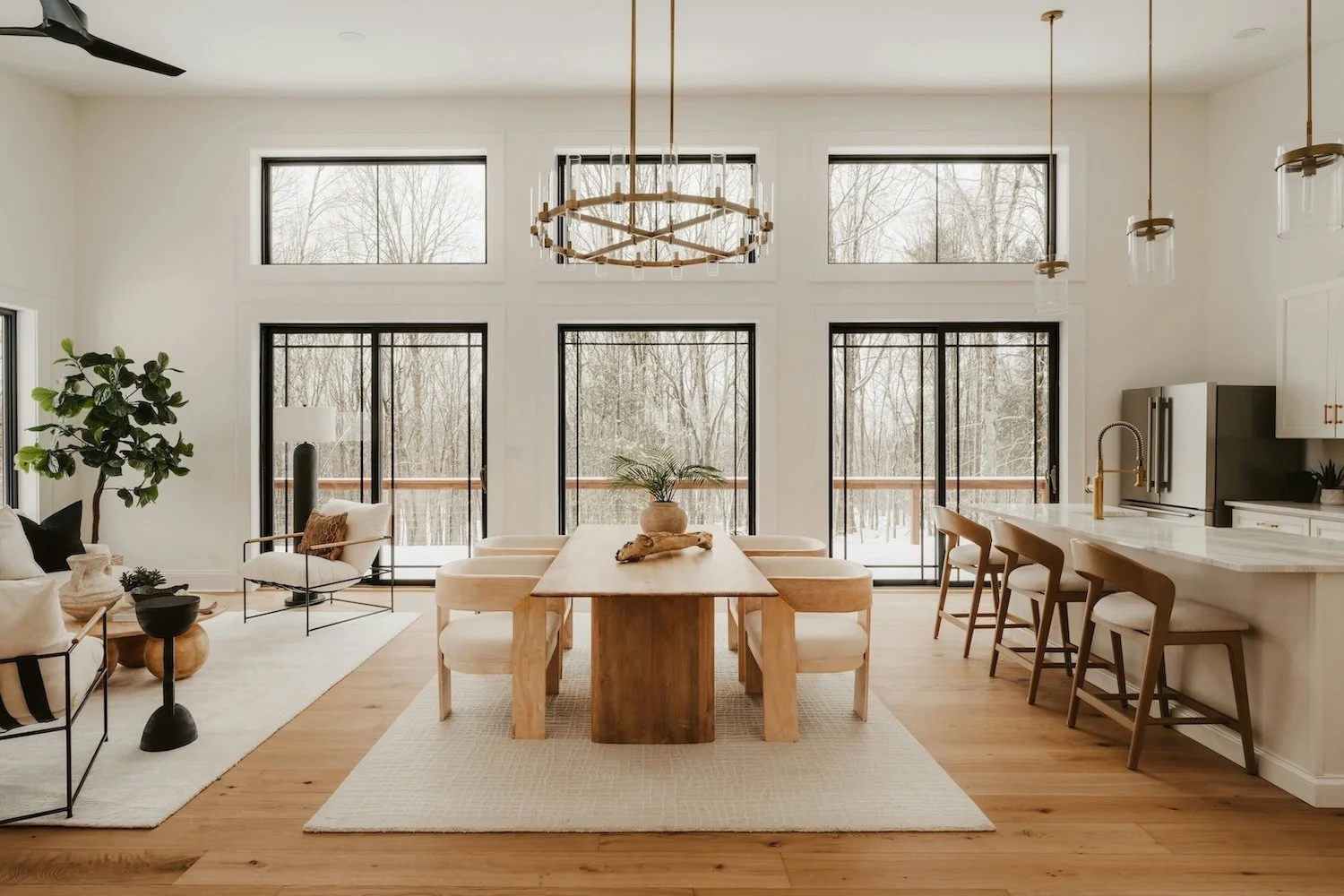
Building a custom home is likely the largest project you’ll ever manage, and the general contractor you choose will determine how it goes. They coordinate dozens of trades, handle permitting and inspections, and control your budget and schedule from the first excavation to the final walkthrough.
The right one makes the process feel organized. The wrong one can cost you months and a lot of money. Here’s how to choose well.
Understand What a General Contractor Actually Does
On a new build, the general contractor is far more than a project supervisor. They pull permits, schedule inspections, solicit and manage subcontractor bids, order materials, maintain site safety, and carry legal responsibility for code compliance.
They also work alongside your architect and engineers to confirm the design is buildable, permittable, and achievable within your budget.
Because of that scope, experience with comparable ground-up homes matters far more than a general reputation. A contractor who mostly does kitchen remodels may not be equipped for foundations, structural framing, and full-site coordination.
Bring the Contractor in Early
Many homeowners wait until the architectural drawings are finished before hiring a builder. That’s often a mistake. A GC involved during design can flag expensive features, suggest cost-saving alternatives, and give realistic estimates before you’ve fallen in love with a plan you can’t afford.
Early involvement also reveals how well the builder collaborates with your design team, which is one of the best predictors of a smooth project.
Verify the License, Then Verify It Again
A license shows a contractor has met their state’s requirements for experience, financial responsibility, and code knowledge. For a project this size, hiring someone unlicensed exposes you to serious risk: liability for on-site injuries, trouble with permits, and complications with insurance and resale.
If you’re building in South Florida, start by looking at licensed general contractors in Miami, since local conditions add real complexity. High-velocity hurricane zone requirements, flood elevations, soil and water-table challenges, and strict inspections all demand a builder who knows the area well.
Confirm the license status through the Florida Department of Business and Professional Regulation (DBPR), make sure it’s active and matches the company name on your contract, and check for disciplinary history. Look for a certified general contractor license, which allows work statewide, and confirm any local registration with Miami-Dade County.
Confirm Insurance and Bonding
Ask for current certificates of insurance, ideally sent directly from the insurer, covering:
General liability insurance for damage to your property or neighboring properties
Workers’ compensation so you aren’t liable if someone is hurt on site
Builder’s risk insurance, which covers the structure during construction (find out who carries it, you or the contractor)
Bonding, which can provide recourse if the contractor fails to complete the job
Study Their Portfolio and Track Record
Look for completed homes similar to yours in size, style, and site conditions. Modern, glass-heavy designs, coastal lots, and tight urban parcels each present their own challenges. Visit finished homes if you can, and ask about:
How the builder handled unexpected problems like soil conditions or permit delays
Whether the project finished near the original schedule and budget
How change orders were priced and communicated
The quality of the finishes and how well the home has held up
Call references from the past year or two, and ask the architects and designers they’ve worked with. Their opinions are often the most candid.
Compare Bids Carefully
Get at least three detailed proposals based on the same plans and specifications. Then look past the total:
Is the pricing itemized by trade and phase?
Are allowances for flooring, fixtures, appliances, and lighting realistic?
What’s excluded (landscaping, pool, permits, utility connections)?
What contingency is built in for the unexpected?
A bid far below the rest is usually a warning sign. It may signal missed scope items, unrealistic allowances, or a plan to recover the difference through change orders. Also ask whether the contract is fixed-price or cost-plus, since each shifts risk differently between you and the builder.
Ask About Their Subcontractors and Team
A builder is only as good as the people doing the work. Ask how long they’ve worked with their key subcontractors, who your day-to-day project manager will be, and who is on site daily. Stable, long-standing relationships with quality trades usually mean better work and fewer delays.
Evaluate Communication and Process
You’ll be in regular contact for a year or more, so pay attention early. Do they return calls promptly? Do they explain things clearly? Can they describe their process for budget tracking, scheduling, and progress updates? Strong builders set expectations upfront, including regular meetings, written reports, and a clear system for decisions and selections.
Get a Thorough Written Contract
Your contract should spell out:
A detailed scope of work, plans, and specifications
The price and a payment schedule tied to completed milestones
Start and substantial-completion dates
How change orders are requested, priced, and approved
Warranty terms for workmanship and materials
Lien release procedures with each payment
Avoid large upfront deposits beyond what local law allows, and consider having a construction attorney review the agreement before you sign.
Trust Your Instincts
Credentials matter, but so does chemistry. You’ll make hundreds of decisions together, often under pressure. Choose a builder who is transparent, respectful of your vision, and honest when the answer isn’t what you want to hear.
The Bottom Line
The right residential general contractor combines the right license, relevant ground-up experience, solid financial protection, clear communication, and a contract that leaves little to
chance. Take your time with the decision. A few extra weeks of vetting up front can save you far more in cost, delays, and frustration, and leave you with a home built the way you imagined it.