
How Certain Medications Can Safely Delay or Pause Your Period
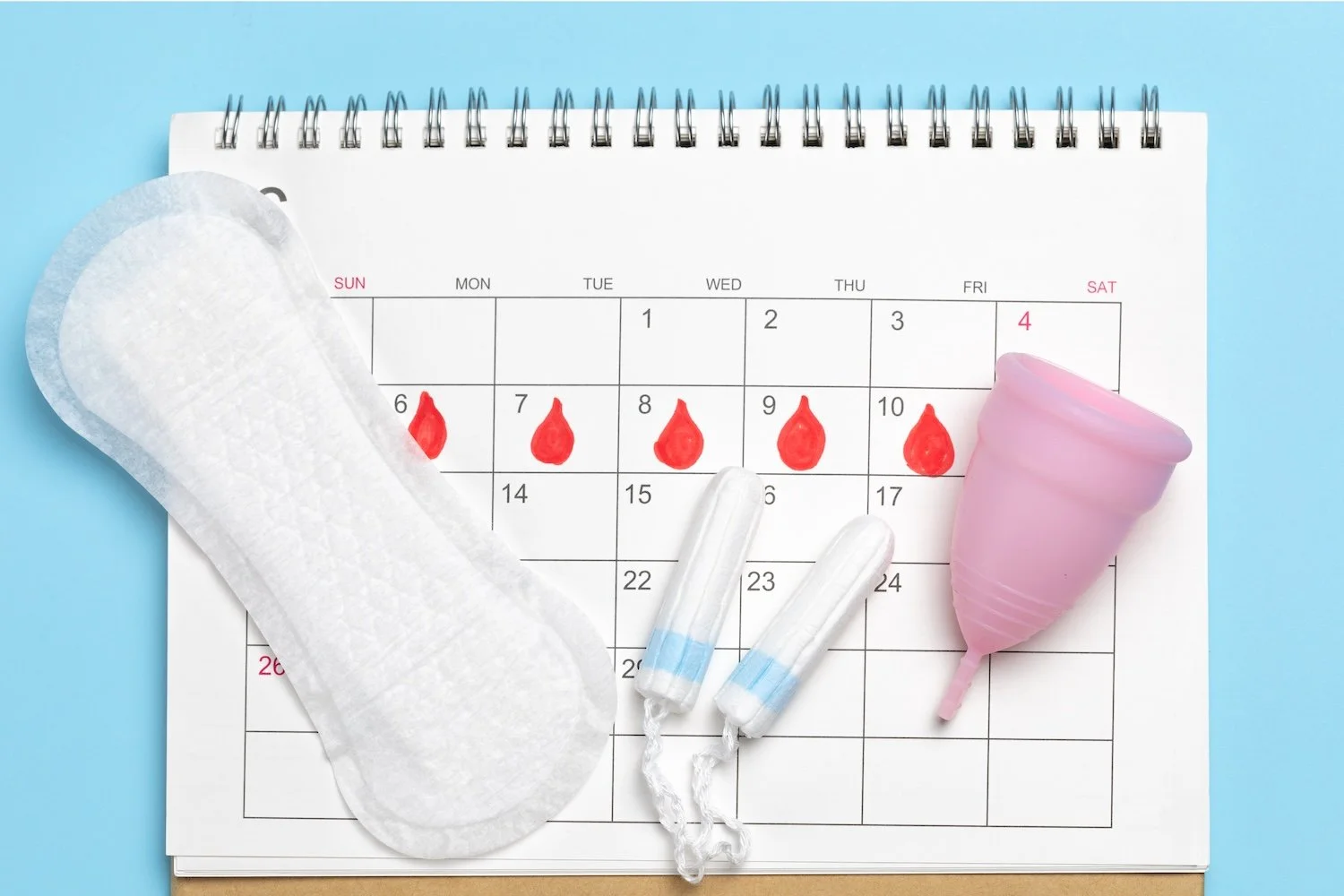
People sometimes need to postpone menstrual bleeding for travel, an event, work, or symptom relief. Certain prescription medications can delay bleeding safely when a clinician reviews medical history, timing, and risks. These treatments do not stop a period instantly, and spotting remains possible. The best choice depends on whether short-term delay or ongoing suppression is needed. Understanding how each option works helps a person prepare for a clinical discussion and use treatment correctly.
People planning period timing should distinguish a planned delay from treatment for unusually heavy bleeding. A clinician reviews the expected start date, current contraception, pregnancy possibility, migraine history, blood pressure, and clot risk before prescribing hormones. Guidance on how to delay your period explains why timing matters and why an instant result should not be expected. It supports a safer clinical conversation without replacing individualized medical advice.
How Period-Delay Medications Work
Menstrual bleeding begins when hormone levels fall and the uterine lining sheds. Hormonal medications prevent or postpone that hormone change, which delays the bleeding associated with it.
Combination birth control pills contain estrogen and progestin. Continuous use keeps hormone levels steadier and avoids the withdrawal bleed that usually occurs during placebo days. Some people skip placebo pills and begin the next pack immediately, but a prescriber should confirm that approach.
No medication reliably stops an ongoing period immediately. Starting treatment before bleeding begins gives the medication more time to prevent or postpone the expected bleed. Spotting or breakthrough bleeding can still occur, especially during the first months.
Short-Term Options For Period Delay
Norethindrone is a progestin medication used for short-term period delay. A person usually starts it three days before the expected period and continues it for up to two weeks, according to prescribing instructions.
This option does not function as routine birth control. A clinician must assess whether it fits the person’s health history, pregnancy status, and other medications. Bleeding generally returns after the medication stops, although timing differs between individuals.
Combination birth control pills can also delay a period. People already taking these pills often skip the placebo tablets and begin active tablets from a new pack. Those starting combination pills for the first time typically need to begin at least one week before the expected period.
Ongoing Menstrual Suppression
Some people want fewer periods rather than a single delayed bleed. Continuous or extended-cycle birth control can reduce the number of withdrawal bleeds across the year.
Extended-cycle pills use active tablets for longer periods, followed by a short break. Continuous regimens skip the hormone-free interval, which prevents the hormone drop that triggers withdrawal bleeding. A clinician can explain whether a particular formulation supports this schedule.
Progestin-only pills provide an option for people who should avoid estrogen. Their bleeding patterns vary, and they do not reliably produce complete suppression for everyone. A vaginal ring used continuously is another hormonal method that keeps hormone levels stable.
Side Effects and Safety Checks
Spotting, breast tenderness, nausea, headaches, mood changes, bloating, and acne changes can occur after starting hormonal treatment. These effects often improve as the body adjusts during the first few months.
Heavy bleeding, severe headaches, vision changes, chest pain, shortness of breath, or leg pain require prompt medical attention. These symptoms can signal a serious problem and should not be ignored.
Estrogen-containing medications are unsuitable for some people, including those with certain migraine patterns, blood-clot risks, uncontrolled high blood pressure, or a history of specific medical conditions. A clinician should review smoking status, medications, pregnancy risk, and personal history before prescribing.
Planning the Timing
Period delay works best with advance planning. A person should contact a healthcare professional before the expected start date, especially when trying a medication for the first time.
Taking tablets at the same time each day improves consistency. Missed doses can increase the chance of spotting or bleeding. A prescriber can explain what to do after a missed dose because instructions differ between medications.
Hormonal period suppression does not cause permanent infertility. Normal cycles generally return after treatment ends, although the timing can vary. Anyone with persistent irregular bleeding should arrange a medical evaluation rather than repeatedly changing medication without guidance.
Conclusion
A period can often be delayed with norethindrone, continuous combination birth control, or another hormonal method, but each option requires correct timing and medical screening. The safest next step is to share the expected period date, current medications, health history, and pregnancy possibility with a licensed clinician. That information helps determine whether short-term delay or ongoing suppression fits the person’s needs. Seek urgent care for heavy bleeding, severe pain, breathing trouble, vision changes, or leg swelling.