
How the Right Wheels Can Transform the Look and Feel of a Classic American Car
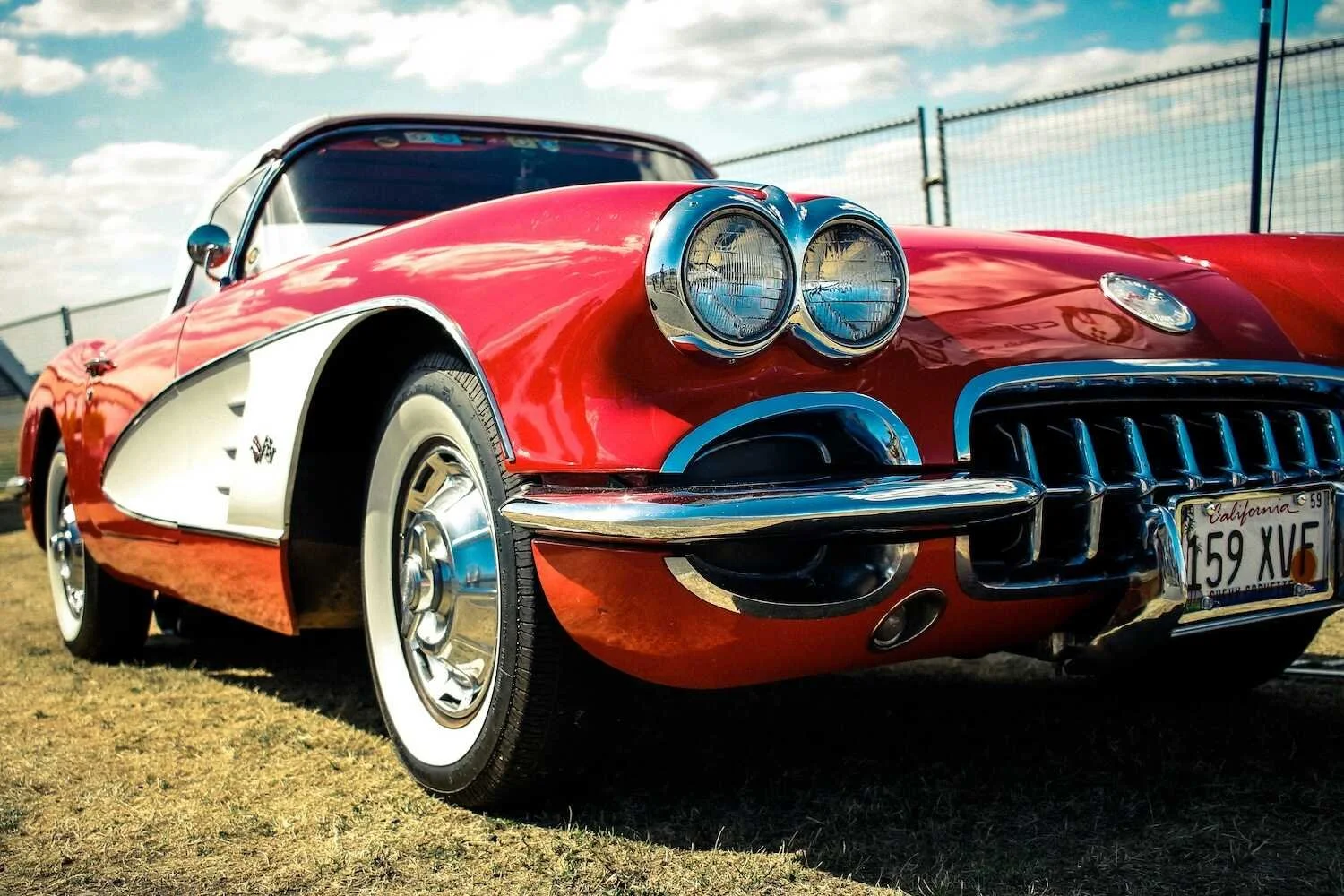
A wheel swap can make familiar bodywork look unexpectedly awkward or remarkably well-resolved. Owners often shop by appearance alone, yet diameter, width, spoke depth, and sidewall profile also affect how the chassis communicates with the driver. Because wheels occupy so much visual space, even subtle changes can alter the relationship among the tires, fenders, and overall silhouette.
That tension applies across GM, Ford, and Mopar classics. Era-correct character may call for traditional proportions, while modern sizing and materials can change the stance, steering weight, and ride. Even when two options look suitable in isolation, their effect depends on the body surrounding them and the chassis beneath them. This interplay begins with what wheels change visually and from behind the wheel.
What the Right Wheels Actually Change
The right wheels change the two details the eye notices first: the car’s stance and the gap between the fender and tire. At the same time, wheel diameter, width, and weight affect what the driver feels through the steering wheel and seat.
Stance, Proportion, and First Impressions
The eye notices fender gap and wheel depth almost immediately, often before registering the paint. That effect is apparent in vintage car displays, where deeper faces can make the same body appear lower and wider without any suspension change.
Spoke count and face depth also control how much of the brake drum, caliper, or backing plate remains visible. That single detail can place a design in a particular decade. Even traditional smoothie wheels need the right proportions to look intentional.
Ride, Steering, and Unsprung Weight
Moving from 15-inch wheels with tall sidewalls to 17- or 18-inch wheels can preserve the overall tire diameter while trading sidewall for rim. The result is sharper steering response, more road texture through the seat, and greater exposure to pothole impacts.
Lighter cast or machined wheels can reduce unsprung weight, making impacts over broken pavement feel less abrupt. They can also help an original recirculating-ball steering box respond with less laziness.
However, width alone does not guarantee grip. A wider wheel without a wider tire mainly stretches or squares the sidewall, changing its appearance, rim protection, and steering behavior rather than adding meaningful traction.
Wheel Styles and the Eras They Belong To
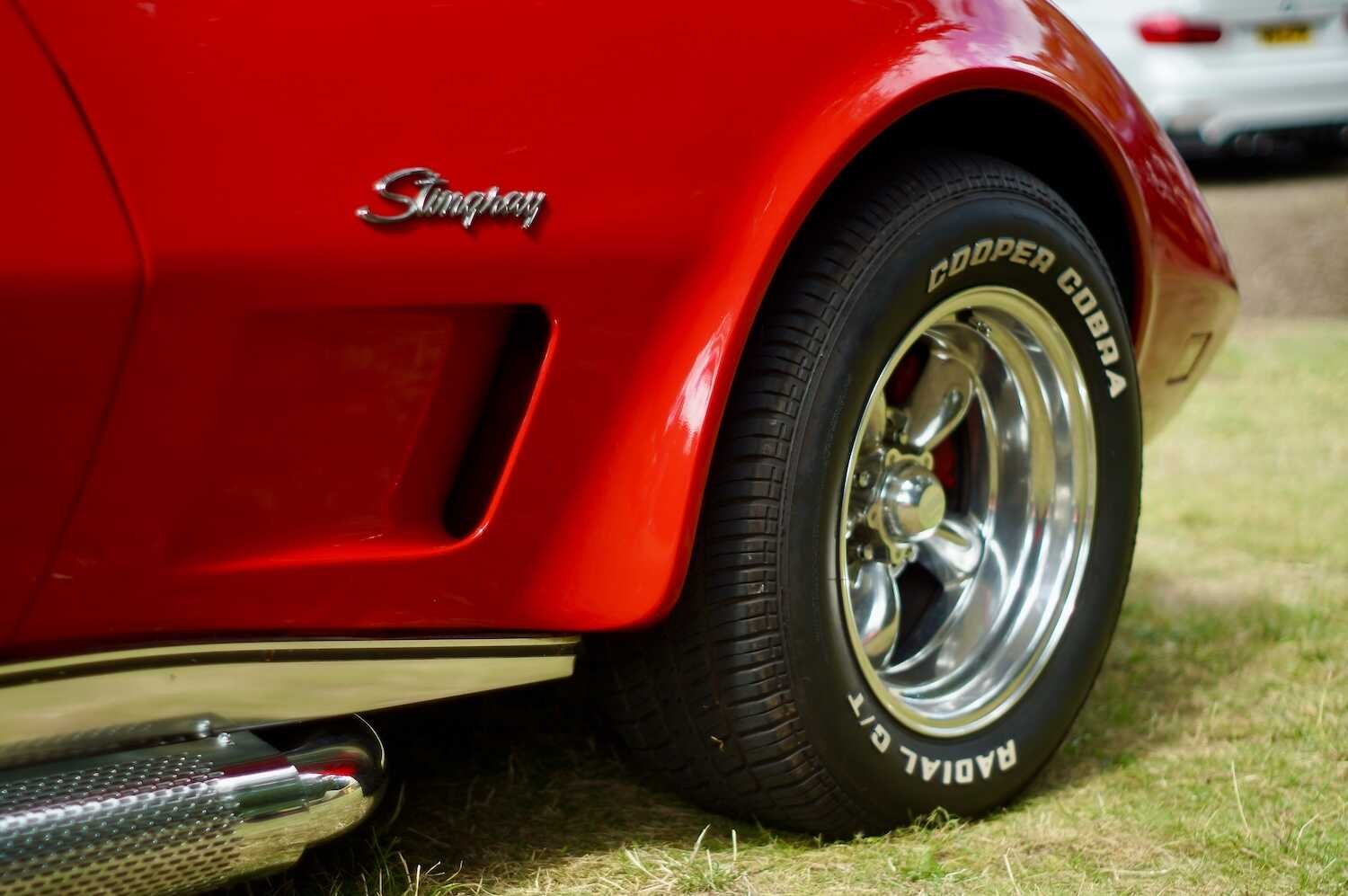
Wheel designs work as era signals. A first-generation Corvette and a late C3 read differently on the same face design, and catalogues of Chevrolet Corvette wheels for every generation exist precisely because generation changes shape what looks appropriate. The central choice is whether the car should support a period-correct restoration or openly present itself as a resto-mod.
Steel Classics, Dog Dish Caps, and Whitewalls
Painted steel wheels, dog dish or baby moon caps, and whitewall or redline tires form a coordinated visual system. Replacing only one component can break that period logic. A wide whitewall paired with a modern, low-profile stance, for instance, mixes two visual languages that rarely agree.
An artillery wheel or D-window design belongs naturally on a pre-war or early-fifties build. That makes it convincing beneath a '32 Ford Deuce roadster or early pickup, whereas a bright, machined face can overpower the simple bodywork.
Smoothie wheels offer a cleaner custom interpretation, while factory-style rally wheels preserve the practical muscle-car character of later decades. On a C10 pickup, either direction works only when the tire profile and ride height tell the same story.
The Torq Thrust and the Five-Spoke Era
American Racing’s Torq Thrust debuted in 1963, and its lightweight, five-spoke face became enduring shorthand for the muscle era. The design exposes enough brake hardware to look purposeful, while the recessed center gives the car visual depth without relying on ornament.
That balance explains why the style works across a Camaro Z/28, a '55-'57 Chevy, and numerous street-driven customs. Finish still matters. A gray center and polished lip read closer to competition equipment, while full polish and larger diameters push the same basic shape toward a contemporary resto-mod.
Billet, Halibrand, and Wire Wheels
Halibrand and salt-flat designs bring racing character associated with Bonneville Salt Flats competition. Their broad openings and simple centers belong on cars built to suggest speed rather than luxury.
CNC-machined billet wheels, closely associated with builders such as Boyd Coddington, make a different statement. Their sharp surfaces, custom dimensions, and polished finishes clearly identify a modern build rather than a restored one.
Wire wheels sit at the opposite stylistic edge, flattering long, formal bodies and low cruisers but looking overly decorative beneath a stripped-down performance car. For a numbers-matching car being judged, non-original wheels can cost points and affect how the car is valued. Owners often preserve the factory set and use more practical wheels for regular driving.
Getting Fitment Right on Stock Suspension
A wheel style is only a realistic choice if its dimensions suit the chassis. Stock suspension, narrow inner wheelhouses, and later brake conversions leave less room than the body might suggest, so wheel fitment starts with mounting measurements rather than appearance.
Bolt Patterns and Backspacing Explained
A bolt pattern records the number of studs and the diameter of the circle they form. Many classic GM passenger cars use 5 on 4.75, while Ford and Mopar passenger cars commonly use 5 on 4.5. A heavier truck, such as a C10 pickup, can use 5 on 5, depending on its year and configuration.
Backspacing measures from the wheel’s mounting pad to the back edge of the rim. Additional width on the inside moves the tire toward the shock and upper control arm, while width added outside pushes it toward the fender lip.
Offset describes the mounting pad’s position relative to the wheel centerline, usually in millimeters, while backspacing expresses a related position in inches. The numbers must be interpreted together, especially when replacing narrow 15-inch wheels with a wider design.
Brake, Fender, and Suspension Clearance
A front disc conversion changes the space a wheel must clear. Bore diameter alone does not settle the question because the caliper can contact the inner spoke face even when the rim fits over the rotor.
Several physical checks reveal more than a general fitment chart. A straightedge across the fender shows how far the tire can move outward, while a full-lock steering sweep exposes contact near the frame or control arms. Loading the suspension toward its bump stop reveals whether the tire reaches the fender lip as the body drops.
These checks must reflect the chosen tire, not just the bare rim. As noted earlier, wheel width changes the sidewall profile even when tire width stays the same.
Materials, Finishes, and Long-Term Care
Two wheels with similar faces can behave very differently once weight, construction, and finish enter the picture. The better material depends on whether the car serves as a weekly driver, a showpiece, or a period restoration, as well as how and where it is stored.
Steel, Cast Aluminum, or Billet
Steel wheels are generally the heaviest and least expensive option. They tolerate everyday use, and a bent rim can sometimes be straightened rather than discarded. That durability keeps rally wheels and smoothie wheels relevant for regularly driven classics and restorations where period appearance matters.
Cast aluminum occupies the practical middle ground. It weighs less than steel and supports detailed shapes at a more accessible cost than billet, although a hard impact is more likely to produce a crack than a repairable bend.
CNC-machined billet wheels made from 6061-T6 offer precise, custom widths and backspacing. They solve tight-clearance problems effectively, but their cost and modern appearance place them more naturally on a show car or resto-mod.
Keeping Chrome and Polish Looking New
Finish determines upkeep more directly than the underlying material. Chrome can pit when road salt or moisture remains on the surface, while polished lips oxidize and need periodic cleaning and sealing. Mag-gray centers and painted steel hide brake dust better and tolerate longer gaps between washes.
Storage conditions matter just as much as mileage. A car left through winter above a damp concrete floor exposes chrome and bare polish to persistent moisture. A weekly driver that is cleaned and dried regularly can retain its finish more successfully, despite spending more time on the road.
Accordingly, the sensible choice matches the owner’s maintenance habits. Highly polished billet wheels reward frequent attention, whereas painted steel and subdued cast finishes better suit cars expected to look presentable without constant detailing.
Wheels Worth Living With
The best classic car wheel styles agree with both the car’s era and the way it is driven. A wheel that photographs beautifully but rubs at full lock, transmits every pothole, or demands unrealistic upkeep will soon feel like the wrong choice.
Appearance and driving feel are not separate decisions. Diameter, sidewall, weight, construction, and backspacing shape the stance while influencing steering and ride quality. Once the style establishes the intended era, accurate fitment and an honest assessment of driving habits should confirm the final choice.