
Designing a Comfortable Outdoor Living Space: Layout, Materials, and Maintenance Essentials
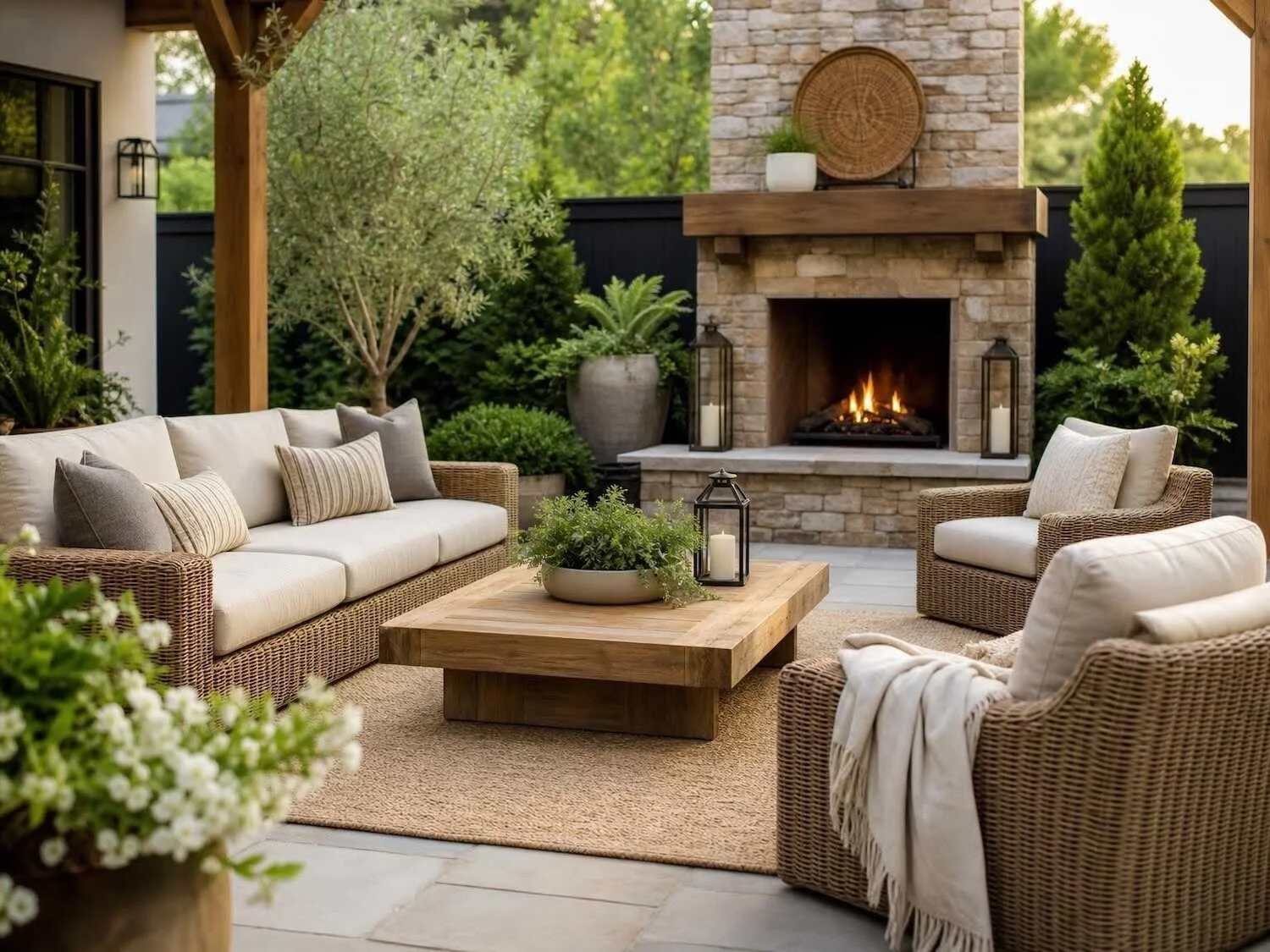
An outdoor living space works best when it's treated as a true extension of the home rather than an afterthought. Having planned several patios and balconies over the years, I've noticed that comfort and longevity almost always come down to three things: how the space is laid out, what materials are chosen, and how consistently the area gets maintained. This guide draws on general building and design guidelines to help you think through those decisions. A well-planned outdoor living space balances comfort, durability, and easy maintenance.
Understanding How You'll Use Your Outdoor Space
Before you start choosing furniture, get clear on your primary function. Are you relaxing solo, hosting groups, or eating meals outside? Lounging calls for deeper seating—armchairs, sectionals, and outdoor sofas that invite people to settle in and stay a while—while dining spaces need upright chairs and properly sized tables. A small balcony might only fit two chairs and a side table, whereas a larger yard can support several distinct zones. Think through your number of regular users and typical activities before you buy anything.
Planning a Functional Layout
Clear walkways matter more than most people expect—furniture crammed too tightly together can make a space feel cluttered even if it looks fine in photos. Arrange seating around a focal point, such as a firepit or a nice view, rather than pushing everything against a railing out of habit. Key Takeaway: Sketch your layout on paper first, marking furniture footprints and walkways before buying or moving anything.
Dividing a larger area into zones—a lounge area, a dining spot, a quiet reading corner—makes the space far easier to use. This mirrors the "outdoor rooms" approach common in landscape design.
Choosing Comfortable and Durable Seating
Frame material affects both comfort and upkeep. Teak and other hardwoods hold up well but may need occasional oiling to stay looking sharp. Powder-coated aluminum is lightweight and rust-resistant, making it a low-fuss option. All-weather wicker withstands moisture when it's well-built, while wrought iron offers solid stability in windy spots but needs periodic rust checks. HDPE materials resist fading with minimal care. Match the material to your climate—humid, coastal, and windy areas each favor different choices.
Comfort also comes down to seat depth, backrest angle, and armrest height. Look for solution-dyed fabrics and quick-dry foam, which resist UV damage and mildew far better than standard alternatives. A quick Comfort Checklist: check seat depth, back support, and fabric texture before purchasing.
Balancing Aesthetics with Practicality
Coordinate seating with your home's architecture and existing colors, favoring neutral, timeless pieces that stay visually relevant over time. Measuring carefully makes all the difference:
Measure the total usable area.
Mark clearances for doors and walkways.
Map out furniture footprints, keeping in mind that sectionals need more room than compact loveseats.
Simple Care and Maintenance Habits That Extend Lifespan
Routine cleaning—mild soap and water, an occasional hosing down—keeps most materials in good shape. A Seasonal Maintenance Snapshot: clean surfaces, inspect hardware, and cover or store cushions during off-seasons. Follow manufacturer guidelines for material-specific care, especially when it comes to wood sealants or metal touch-ups.
Pulling It All Together
A livable outdoor space rests on clarity of purpose, thoughtful layout, suitable materials, and consistent care. Start small—rearrange the furniture you already have before adding new pieces. The best outdoor living spaces are planned around real life, not just a furniture catalog.