
Where Car Accidents Commonly Happen
The National Highway Traffic Safety Administration estimates traffic fatalities dropped 4.3% in the first quarter of 2026 to approximately 7,770 deaths, compared to 8,120 estimated traffic deaths during the same period in 2025.
Using reports from deadly car accidents, researchers can detect patterns of fatal crashes. Fatal car crash information is collected and maintained by NHTSA in the Fatality Analysis Reporting System database. The Federal Highway Administration (FHWA) uses that data for its intersection figures, and the urban and rural patterns later in this article come from it as well.
So where do most car accidents happen? The 2024 figures from IIHS show that 59 percent of traffic fatalities occurred in urban areas and 61 percent of urban traffic deaths occurred on arterial roads. Traffic fatalities in urban areas also included deaths at intersections, which accounted for 34 percent of urban deaths.
The clearest cluster is the intersection. Based on FHWA statistics, intersections were involved in 12,036 deaths in the United States in 2022, about 28% of all road fatalities. FHWA also links about half of all traffic injuries to intersections.
Intersections Concentrate Everything
Intersections can be hectic. It’s hard to predict other drivers’ movements. Pedestrian crossings add to the complexity. Since vehicles cross paths at angles, side impacts are common.
Busy city intersections handle far more vehicles, which adds to the number of potential conflicts.
National totals can hide crash patterns that show up at the corridor level.
Rural Roads Kill More People Per Mile Driven
Urban areas produce more crashes. Rural roads produce worse ones.
NHTSA's data for 2024 shows that urban areas had more traffic deaths than rural areas. There were 22,905 urban traffic deaths versus 16,006 in rural areas. Over 40 percent of fatalities on roads happen on rural ones, though only 31 percent of driving occurs in these rural settings. Additionally, the rate of deaths is higher on rural roads, with 1.56 deaths for every 100 million miles of travel, compared with 1.01 on urban roads.
The reasons are structural. Higher posted speeds. Undivided two-lane roads. Fewer barriers, with trees or ditches where a shoulder would be. Longer distances for an ambulance to cover in both directions.
Law practices in a city like Charlotte see a wide range of crash types. Charlotte car accident lawyer William (“Bill”) H. Elam and his firm, Elam & Rousseaux, PLLC, represent clients in head-on, T-bone, rollover, multi-vehicle, rear-end, and hit-and-run cases.
Collision Type is a Location Fact in Disguise
Each of those categories belongs somewhere specific.
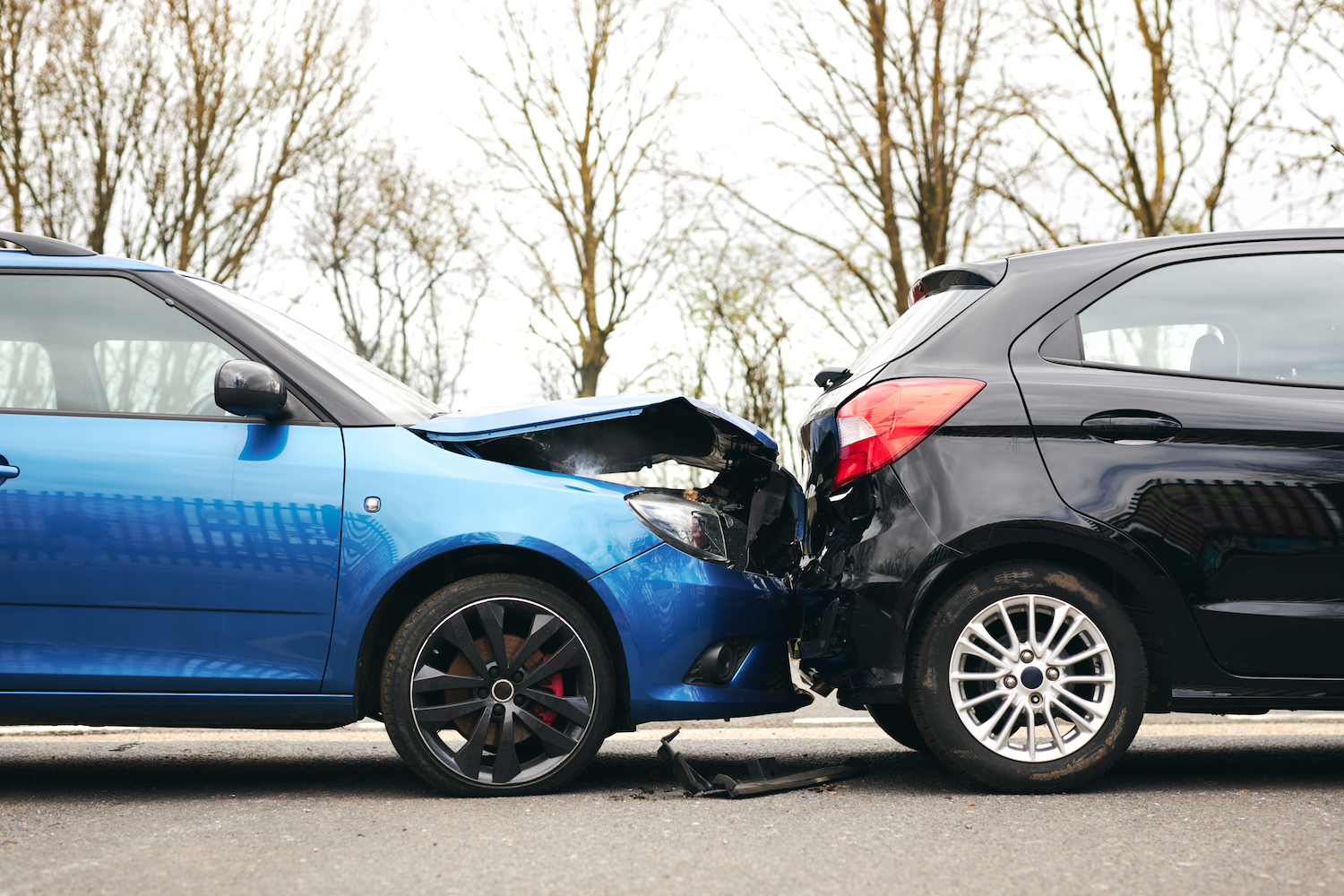
T-bone crashes are largely an intersection problem, since crossing roads put vehicles on paths that meet at a right angle. The location of an accident often relates to the type of accident that occurs. Head-on collisions happen more often on undivided rural highways and rear-end accidents occur more frequently on busy streets. Rural areas also tend to experience a larger percentage of fatal rollover accidents compared to urban areas.
A crash type suggests roughly where it happened before anyone names a street.
Many low-speed collisions that occur in parking lots and driveways go unreported. Since these areas are mostly off public roads, most national statistics do not include them.
Where it Happened Helps Decide Who Pays
Intersection claims often raise questions about right of way, signal timing, and which vehicle entered first, and claims of shared fault are common. In North Carolina, a driver found even partly at fault can be barred from recovering compensation, with limited exceptions.
Fault is often less contested in rural head-on crashes than in other crash types, but the injuries tend to be much more severe. In a rear-end collision, the following driver is commonly treated as the responsible party, so the dispute tends to center on how serious the injuries are.
The same brief lapse in attention can have very different results depending on the road. It might cause a fender-bender at an urban intersection, yet on an undivided rural highway a few miles away, it can be fatal.