
How Many Fireworks Do You Need for a Display?
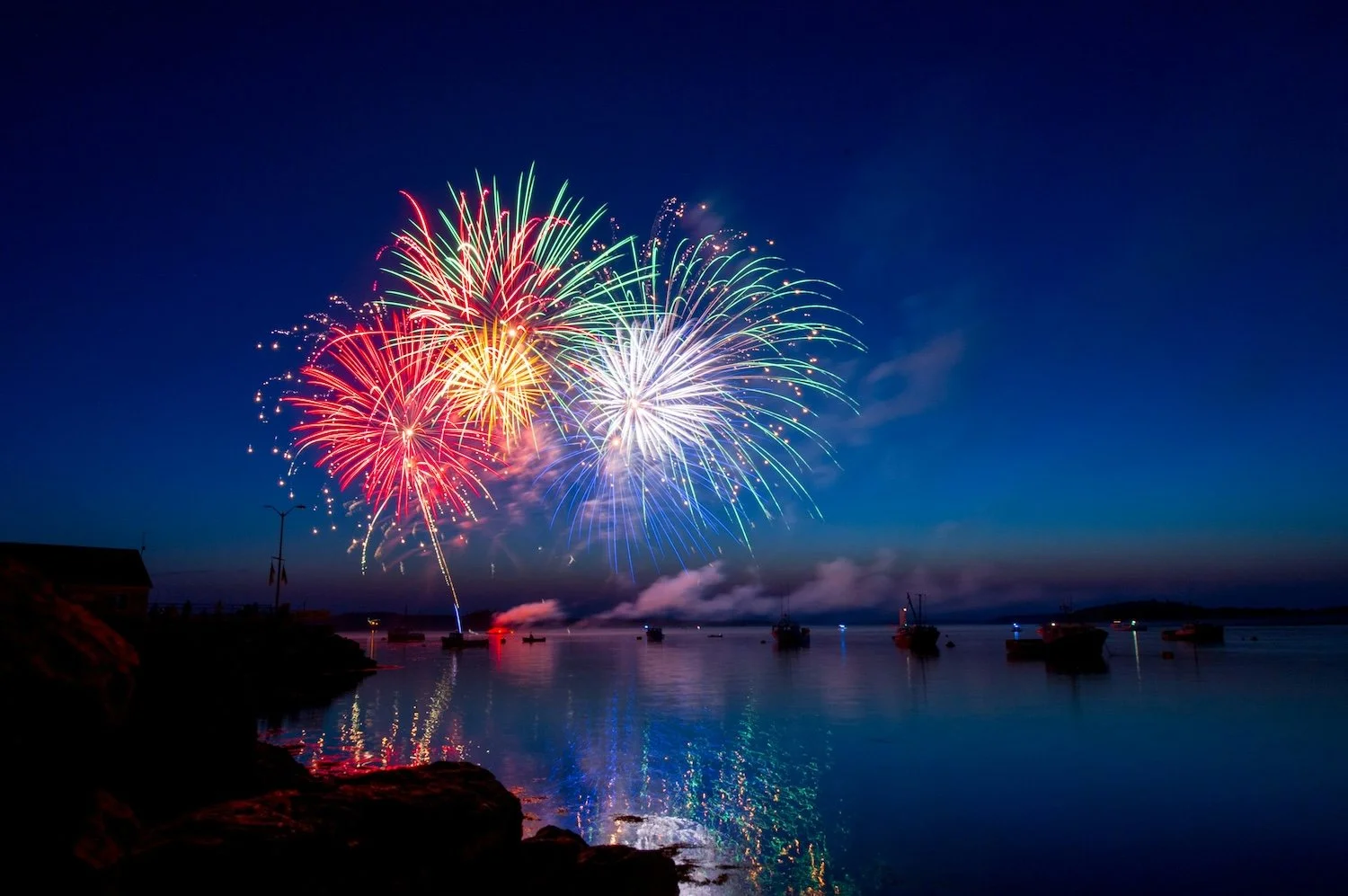
A good fireworks display is not defined by the number of items fired. It is defined by pacing, variety, scale and, above all, how it feels to the audience. A tightly designed five-minute display can be more memorable than a longer show that fires too much, too quickly, or without a clear finale.
Still, “How many fireworks do we need?” is one of the first questions event organisers ask. The answer depends on more than guest numbers. Venue size, viewing distance, budget, desired duration and the type of occasion all matter. A garden celebration, wedding reception and public bonfire-night event may all use fireworks, but they require very different approaches.
The most useful way to plan is to think in terms of display moments rather than simply counting fireworks. You need an opening that gets attention, a middle section that builds energy and a finale that feels like a genuine conclusion. Once those moments are mapped out, the number of fireworks becomes much easier to estimate.
Start With Duration, Not Quantity
For private events, a display lasting between five and 10 minutes is usually enough. It provides a sense of occasion without asking guests to stand outside for too long, particularly in colder weather. Longer displays can work well for large public events, but duration should earn its place. Ten minutes of considered visual variety is often more effective than 20 minutes of repetitive effects.
As a broad guide, a short display might include 10 to 20 individual pieces, depending on their category and duration. A more substantial 10-minute show could involve 20 to 40 pieces, with some firing simultaneously to create wider, fuller moments in the sky.
That figure is only a starting point. A 25-shot cake that runs for 30 seconds contributes very differently from a small fountain lasting 45 seconds. Likewise, firing three cakes together creates an impressive wall of colour, but uses up several products in one moment. The aim is not to maximise the item count; it is to match the pace of the display to the atmosphere you want.
Consider the Viewing Environment
Before choosing fireworks, look at the space from the audience’s perspective. A compact garden has limited room for firing positions and spectators may be relatively close to the action. In that setting, lower-noise and lower-height effects can be more appropriate than large aerial products.
At a larger venue, such as a country hotel, sports club or field, the display needs enough height and spread to remain visible to everyone. Guests standing 50 metres from the firing area will not get the same impact from small garden effects as guests standing 15 metres away.
This is where pre-planned firework collections for event displays can be useful as a reference point. Grouped packs often demonstrate how a range of effects can be balanced across a display, rather than relying on several similar fireworks purchased individually. Even if you are building a bespoke sequence, that principle matters: mix height, colour, noise level and firing duration.
Build the Display in Three Stages
The opening: establish attention
The opening does not need to be the loudest or biggest part of the show. Its job is to draw the crowd’s eyes upward and set expectations. One or two strong aerial effects, perhaps supported by lower-level fountains, can do this well.
Avoid using your largest effects immediately unless the display is intentionally short. If the audience sees the finale in the first 20 seconds, there is nowhere left to go.
The middle: create contrast and rhythm
This is the longest part of the display, and the section where variety matters most. Alternate between effects that rise high and effects that fill the lower sky. Shift colours. Move from single firing items to pairs, then return to a quieter visual moment before building again.
A display can feel surprisingly flat if every firework has the same gold crackle or the same loud report. Contrast creates drama. For example, a colourful fan-shaped cake might follow a sequence of vertical comets, while a quieter silver effect can provide breathing room before the next burst of colour.
For a five- to seven-minute display, the middle might account for roughly two-thirds of the total fireworks used. That does not mean firing constantly. Small pauses between effects allow the audience to take in what they have just seen.
The finale: finish decisively
A finale should feel distinct from everything that came before it. This is usually achieved through density: more shots, wider firing angles, brighter effects or several fireworks fired in quick succession.
For a modest private display, the finale may involve two or three larger cakes launched together, followed by a final high-impact item. For larger events, it may be a coordinated sequence lasting 30 to 60 seconds. Either way, save around 20 to 30 per cent of the visual impact for the end.
The key is to stop cleanly. Do not add a few leftover fireworks after the finale; that weakens the ending and leaves guests unsure whether the show is actually over.
Match the Display to the Occasion
A wedding display often benefits from elegant colour palettes, moderate noise levels and a shorter, polished sequence. Think gold, silver, blue or pastel-toned effects, with a finale timed for photographs and a clear shared moment.
A birthday party can be more playful and energetic, while a community event may need brighter, higher-reaching effects that work for a larger crowd. Corporate events often favour a controlled, concise display that fits around speeches, catering and transport schedules.
Guest numbers matter, but not in a straightforward “more people equals more fireworks” way. A gathering of 30 people in a garden can feel spectacular with a carefully chosen 15-piece display. A crowd of 300 in an open field may require fewer individual products than expected if those products have the height, spread and duration appropriate for the venue.
Do Not Overlook Safety and Local Rules
The best display plan is one that can be delivered safely. Check the minimum safety distances for every product, make sure the firing area is clear, and consider wind direction before setting anything up. Keep spectators, buildings, vehicles, animals and overhead obstacles well away from the launch area.
For larger events, difficult venues or displays involving significant quantities of fireworks, use a competent professional display operator. Local restrictions, licensing requirements and permitted firing times can vary, and an experienced operator will assess risks that are easy to miss during informal planning.
Ultimately, the right number of fireworks is the number needed to create a complete experience: a confident start, an engaging build and a memorable finish. Plan the sequence first, choose products that suit the space, and let quality of timing—not sheer quantity—do the work.