
What Evidence Is Needed for a Personal Injury Claim?
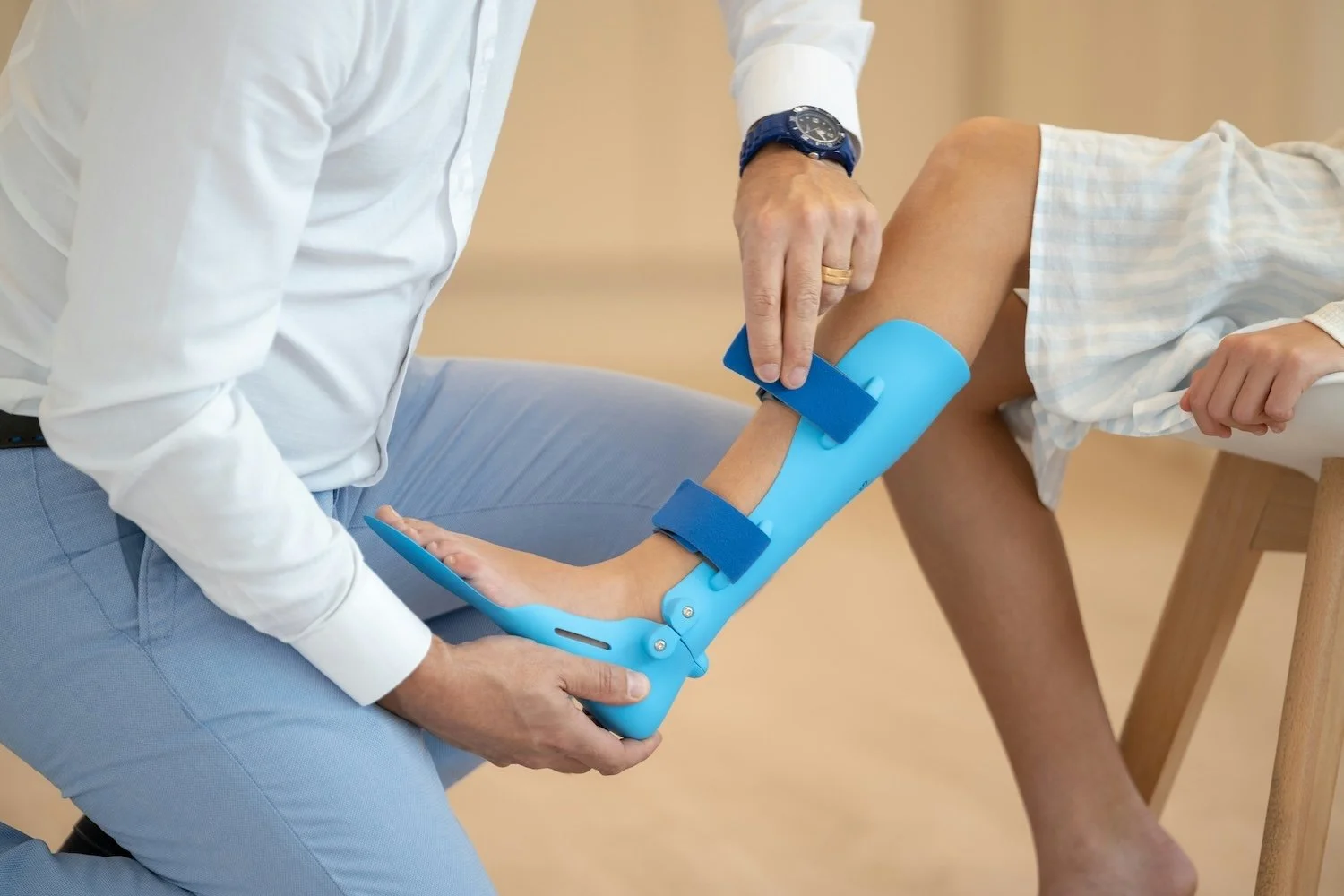
There are various factors influencing personal injury claims, including how many vehicle accidents take place across the US, along with any resulting injuries. The NHTSA recorded roughly 6.18 million reported car accidents for 2024. There was also an estimated 2.42 million injured individuals.
The process of personal injury claims starts with documenting how an accident occurred and providing proof that demonstrates who caused it. This is the first step in claims processing. Other types of evidence include those that detail how the bodily injury sustained was related to the event. Evidence supporting financial and nonfinancial losses sustained will be beneficial for the claim too.
Regardless of what type of claim is being filed, whether it is related to a car accident, a slip and fall, or some other incident, evidence of support can mean the difference between a successful insurance claim and damages.
Police records, hospital files, photos, testimonials from bystanders, surveillance cameras, and even proof of earnings lost may also count as strong pieces of evidence. Many Texas claimants turn to an Austin personal injury attorney to help gather and organize this material.
Here's a look at the evidence needed for a personal injury claim.
Categories of Evidence in Texas
The TexasLawHelp guide to gathering and presenting evidence classifies it into four types. Testimony is a witness’s sworn account of the facts. Documents refer to police reports, tape recordings, text messages, photographs, and printed emails.
Evidence comes in various forms. Tangible evidence consists of physical items that the court can view and assess. Charts, maps, and diagrams are called demonstrative evidence and can also help illustrate a witness’s testimony.
Evidence has to be relevant, material, authentic, and not privileged for a judge to allow it. Authentication often comes through a witness’s testimony. For texts, emails, and social media, it describes taking a screenshot, printing each exchange, labeling it as an exhibit, and authenticating it through testimony.
This guide also discusses objections. For instance, hearsay, as in out-of-court statements being introduced to prove what the statements claim, is normally excluded, with exceptions such as business and public records.
Exhibits are marked with letters or numbers, shown to the other side, and then to the witness before a judge admits them.
Records That Start Early
Many parts of an injury claim begin as ordinary paperwork. On the Texas Department of Insurance website, the “Were you in a wreck?” section instructs to photograph the vehicles, license plates, visible damage, street signs, and road angles.
According to the site, a note should be made of the names and phone numbers of witnesses. The location and time of the crash, along with the weather at the time and a brief account of what happened, should also be noted. Medical records and bills should be kept after a doctor visit.
Get a copy of the police report made when officers arrive. The site mentions getting the claim adjuster’s name and phone number.
Photo guidance also appears in Arizona. According to the law firm website https://www.bleamanlawfirm.com/, photos taken at the scene may be needed for both an auto insurance claim and a later personal injury claim.
How Evidence Moves Through a Case
TexasLawHelp says a person does not need to attach evidence to the original petition and usually presents it at a hearing or trial. Before that point, the parties use discovery.
TexasLawHelp’s separate discovery article discusses the required disclosures in most cases. Examples are production requests for documents, emails, text messages, and photos. There are also written interrogatories, which are answered under oath.
Depositions are part of it too, and they are taken under oath. The article says the discovery period often starts when initial disclosures are due. In expedited cases, it then runs for 180 days.
What Arizona Courts Describe
The Arizona Courts' civil law resources page explains a lawsuit as a sequence of steps. The discovery stage requires the plaintiff and the defendant to exchange information about their case before a judge or jury trial. During this trial, the court determines a case's outcome based on the evidence provided by each party.
The digital evidence portal, launched by the Arizona Supreme Court, can be used for the submission, management, and storage of case exhibits in participating courts. Furthermore, the portal lets attorneys, parties, and judges exchange exhibits for hearings held via video conference and in person.
Different jurisdictions use varying evidence rules. As shown by Arizona and Texas legal proceedings, each state has its own guidelines and procedures that govern how a court case can be opened. Any litigation should first consult the jurisdiction's specific court and its respective local rules to confirm the evidence rules.
The strength of a personal injury claim hinges on early evidence. This evidence, which can consist of photo documents and witness testimonies, needs to be collected soon after the incident.
A substantial amount of documentation and evidence is required to build a strong claim. Reports from the police, medical documents, photos, witness testimonies, and financial papers can be used to decide whether there is liability for the personal injury or not and how this injury has affected you.