
How to Make a Sunny Patio Comfortable from Morning to Evening
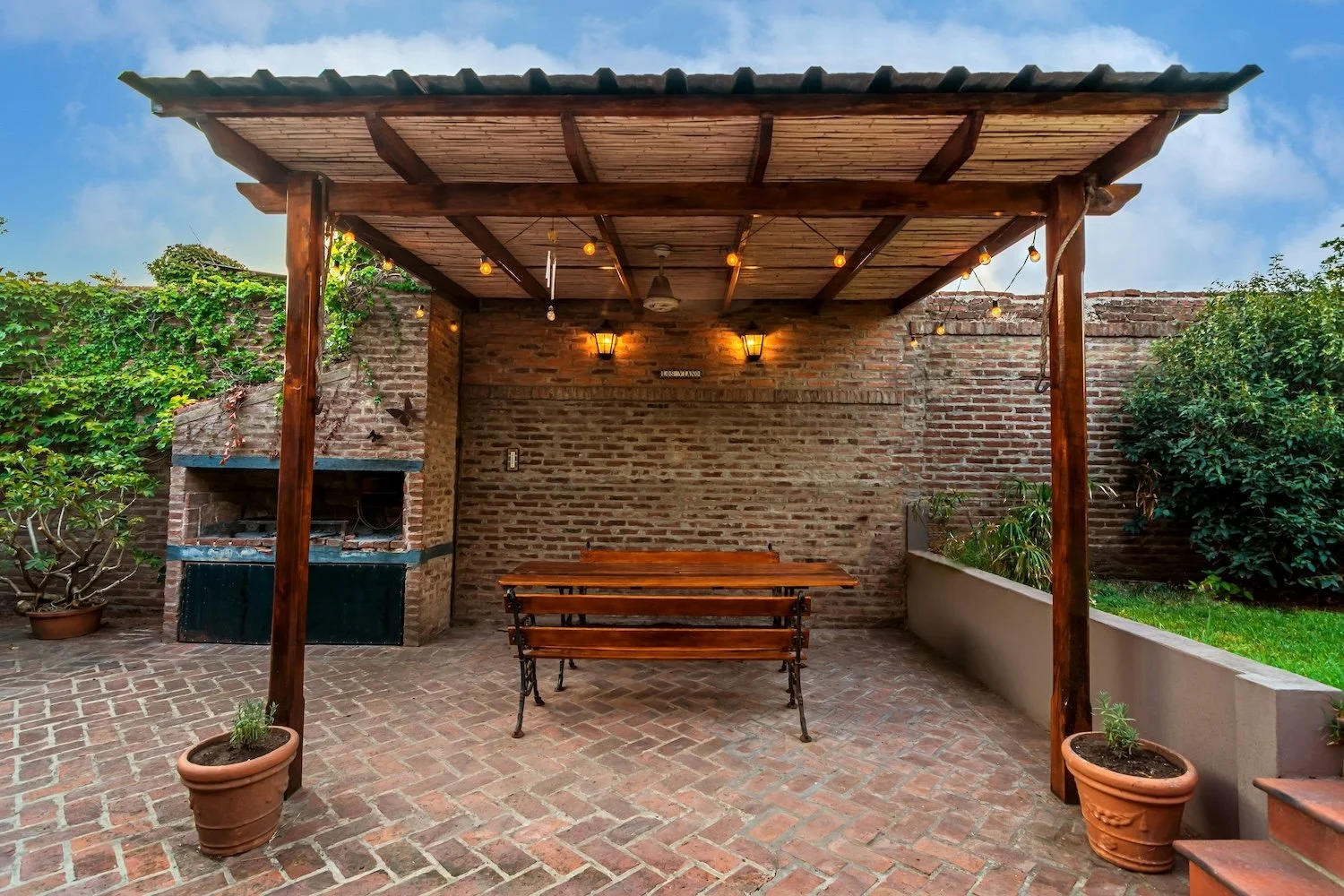
Most of us have a patio that looks inviting from the kitchen window and then turns out to be too bright or too hot once we actually sit down. The morning coffee chair catches full sun by 9 a.m., the laptop screen washes out at lunch, and dinner gets moved indoors because everyone is squinting. Shade changes all of that. With the right mix of cover overhead and on the sides, the same space can work for slow breakfasts, an afternoon of remote work and long summer dinners.
Notice when and where the sun bothers you
Before choosing any kind of shade, it helps to know what problem you’re solving. Sun on a patio shifts a lot through the day, and the spot that feels perfect at breakfast can be unbearable by mid-afternoon.
For a few days, pay attention to the moments you give up and go inside. Maybe it’s the glare on your phone or laptop, the heat coming off the patio surface, or the low evening sun shining straight into everyone’s eyes at the table. Those details point to different fixes. Overhead cover deals with high midday sun, while side protection handles the low light of early morning and late afternoon.
Sun also takes a quiet toll on your things. Cushions, rugs and wooden furniture tend to fade and dry out faster in direct light, so good shade often means replacing outdoor fabrics less often. It’s easier on your skin too, though sunscreen still makes sense for longer stretches outside.
How different kinds of overhead shade compare
Shade isn’t one thing. Each option blocks a different share of the sky, and the right choice depends on when you’re outside and how much light you actually want.
Trees and umbrellas are lovely and flexible. The shade moves through the day, though, and umbrellas leave gaps around the edges where low sun slips in.
Open-slat pergolas create pretty patterns of light and shadow. They offer partial coverage, so you’ll still catch plenty of sun through the gaps, especially at midday.
Solid-roof structures give the most consistent overhead protection and also keep summer showers off the furniture. They can make nearby rooms a bit darker, and they usually take more planning and a permit.
Many homeowners land somewhere between the last two, and that’s where wood shade structures tend to fit well, since a wood frame can carry a solid roof over the dining table and open rafters over a garden corner. Wood also brings a warmth that suits cozy, lived-in outdoor spaces. The trade-off is upkeep, because sealing or staining every few years keeps it looking its best.
Blocking the low sun that slips in from the side
A roof handles the midday sun well. Early morning and late afternoon are another story, when light comes in nearly sideways and lands right on your face, your book or your laptop screen. This is where side shades earn their place.
Roll-down fabric panels fill the gap between the roof and the floor on the sunniest side of the patio. Because patios rarely come in standard sizes, many people choose custom outdoor patio shades that fit the exact opening between posts, so no strip of glare sneaks in at the edges. A few fabric details are worth comparing before you choose.
Openness. Tighter weaves block more light, while looser ones keep more of the view and let a breeze through.
Color. Darker fabrics often make it easier to see out, and lighter ones tend to reflect heat and brighten the space.
Operation. Manual cranks are simple and reliable. Motorized versions are handy for wide openings or for lowering every shade at once.
Shade the spot you actually sit in
Your morning coffee chair, the dinner table and the lounger by the planters may each need a different kind of cover. Start with the one you use most, plan shade for the hours you’re really out there, and add more only once you see how that first change works. A patio that’s comfortable at the right times tends to get used far more than one that’s simply bigger or better furnished.