
The Ultimate Survival Guide for Hot Sleepers
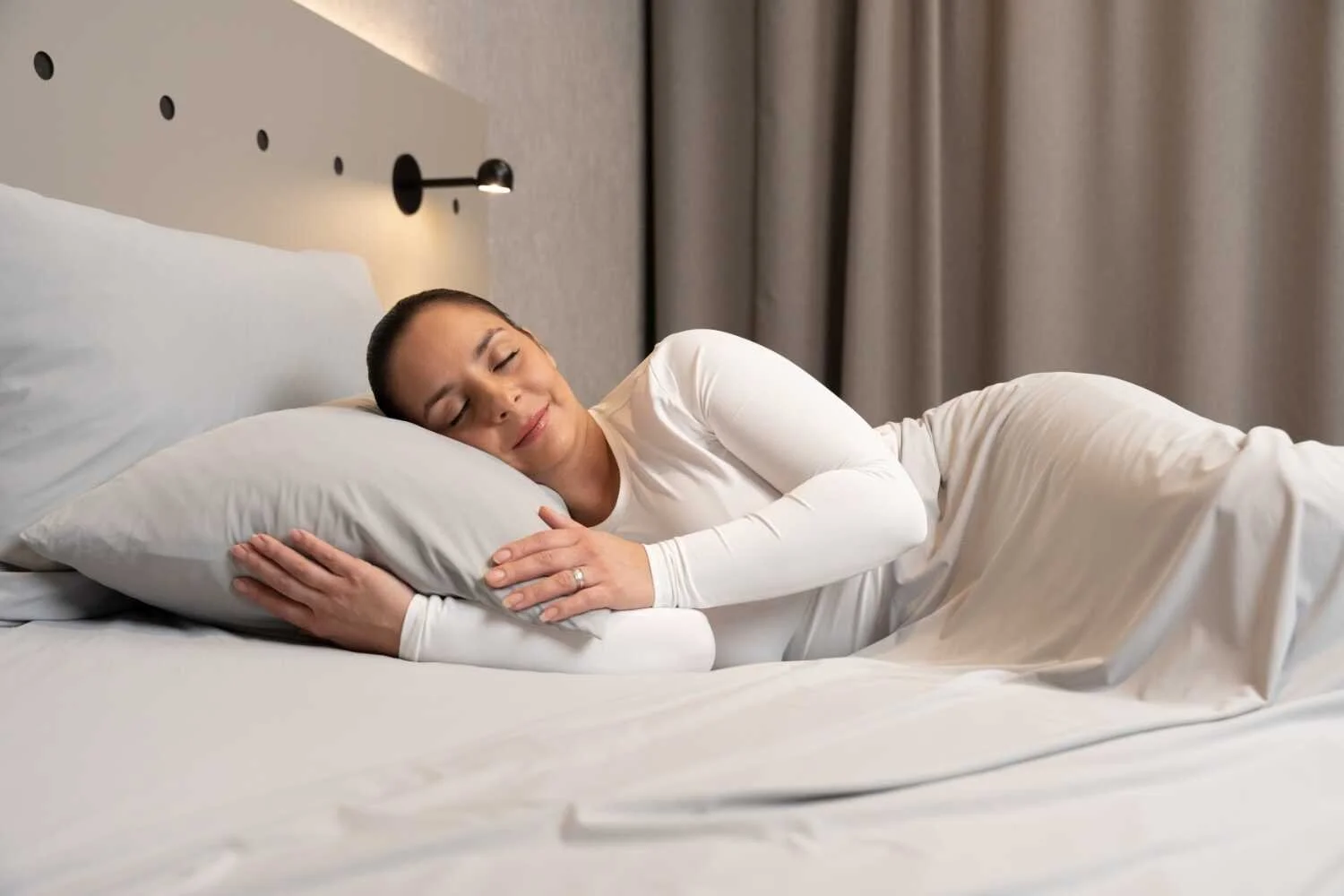
If you wake up sweaty, kick the blankets off in the middle of the night, or constantly flip your pillow searching for the cool side, you're not alone. Millions of people struggle with sleeping hot, and it can make getting a full night's rest feel nearly impossible.
Sleeping in an environment that's too warm doesn't just make you uncomfortable. It can also affect your ability to fall asleep, stay asleep, and wake up feeling refreshed. Whether you naturally run warm, experience occasional night sweats, or simply live in a hot climate, there are plenty of ways to create a cooler, more comfortable sleep environment.
This ultimate survival guide for hot sleepers covers everything you need to know, from why you overheat at night to simple changes that can dramatically improve your sleep quality. You'll also learn which habits actually work, which common mistakes make overheating worse, and why your bedding plays such an important role in regulating body temperature.
Table of Contents
Why Do Some People Sleep Hot?
Signs You're a Hot Sleeper
25 Ways to Stay Cool While Sleeping
Create the Ideal Bedroom Temperature
Choose Breathable Bedding
Spotlight on Silvery Cooling Bedding
What to Wear to Bed
Evening Habits That Help You Sleep Cooler
Foods and Drinks That Affect Body Temperature
Travel Tips for Hot Sleepers
Common Causes of Night Sweats
When to Talk to Your Doctor
Frequently Asked Questions
Why Do Some People Sleep Hot?
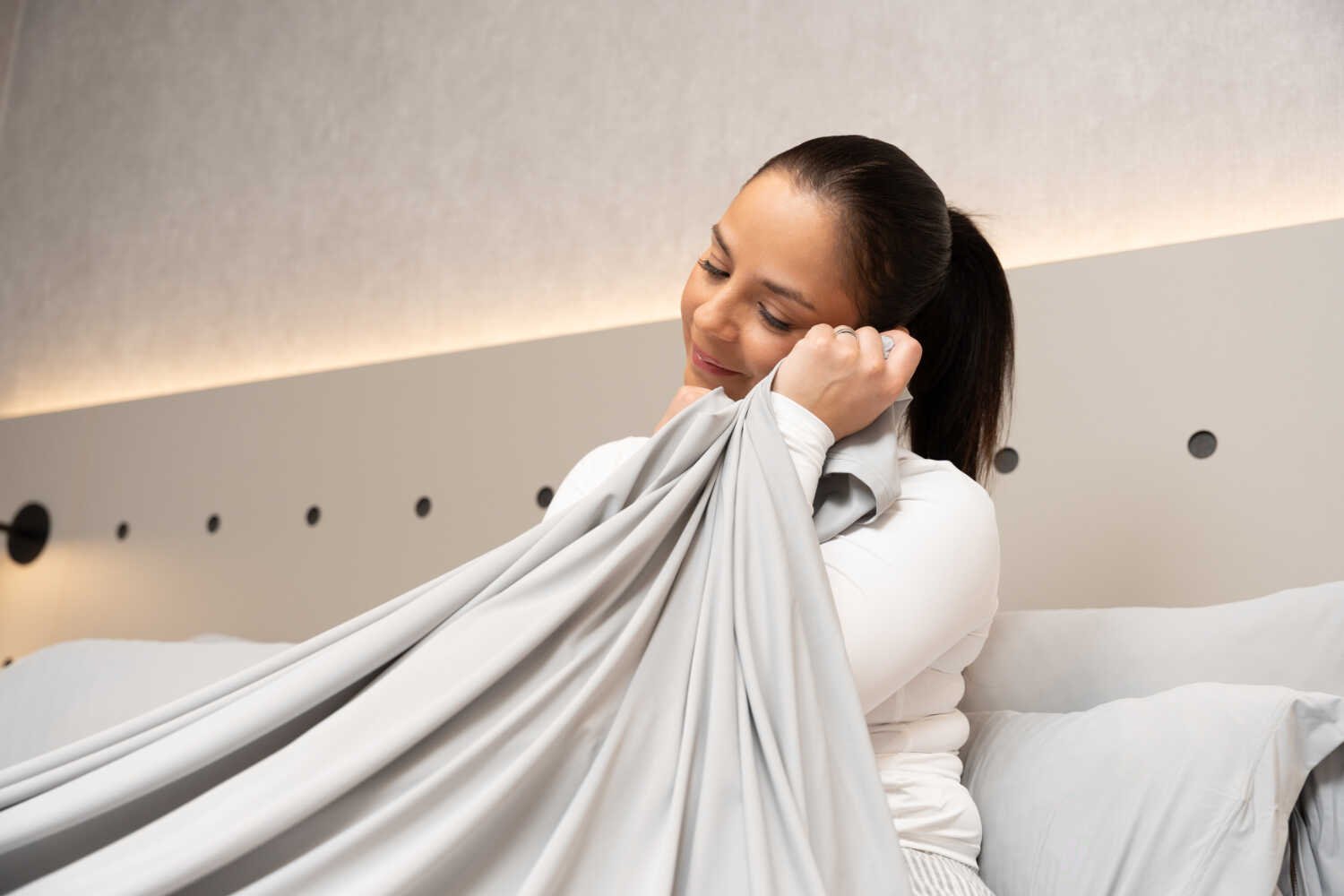
Everyone's body regulates temperature differently. During a normal night of sleep, your core body temperature naturally drops slightly as part of your circadian rhythm. This cooling process helps signal that it's time to sleep.
For hot sleepers, that natural cooling process doesn't always feel like enough.
Several factors can contribute to overheating at night, including:
Naturally higher body temperature
Warm bedroom temperatures
Non-breathable bedding
Hormonal changes
Stress and anxiety
Certain medications
Alcohol before bed
Spicy foods eaten late in the evening
Intense exercise close to bedtime
Sometimes the cause is simply environmental. Other times it may be related to your health or lifestyle.
The good news is that many of these factors are within your control.
Signs You're a Hot Sleeper
You may be a hot sleeper if you regularly experience:
Waking up sweaty during the night
Throwing blankets off while sleeping
Flipping your pillow repeatedly to find the cool side
Difficulty falling asleep because you feel too warm
Sleeping better in winter than summer
Turning on a fan even when others feel comfortable
Frequently lowering the thermostat before bed
If several of these sound familiar, making a few targeted changes can significantly improve your sleep.
Why Sleeping Cool Matters
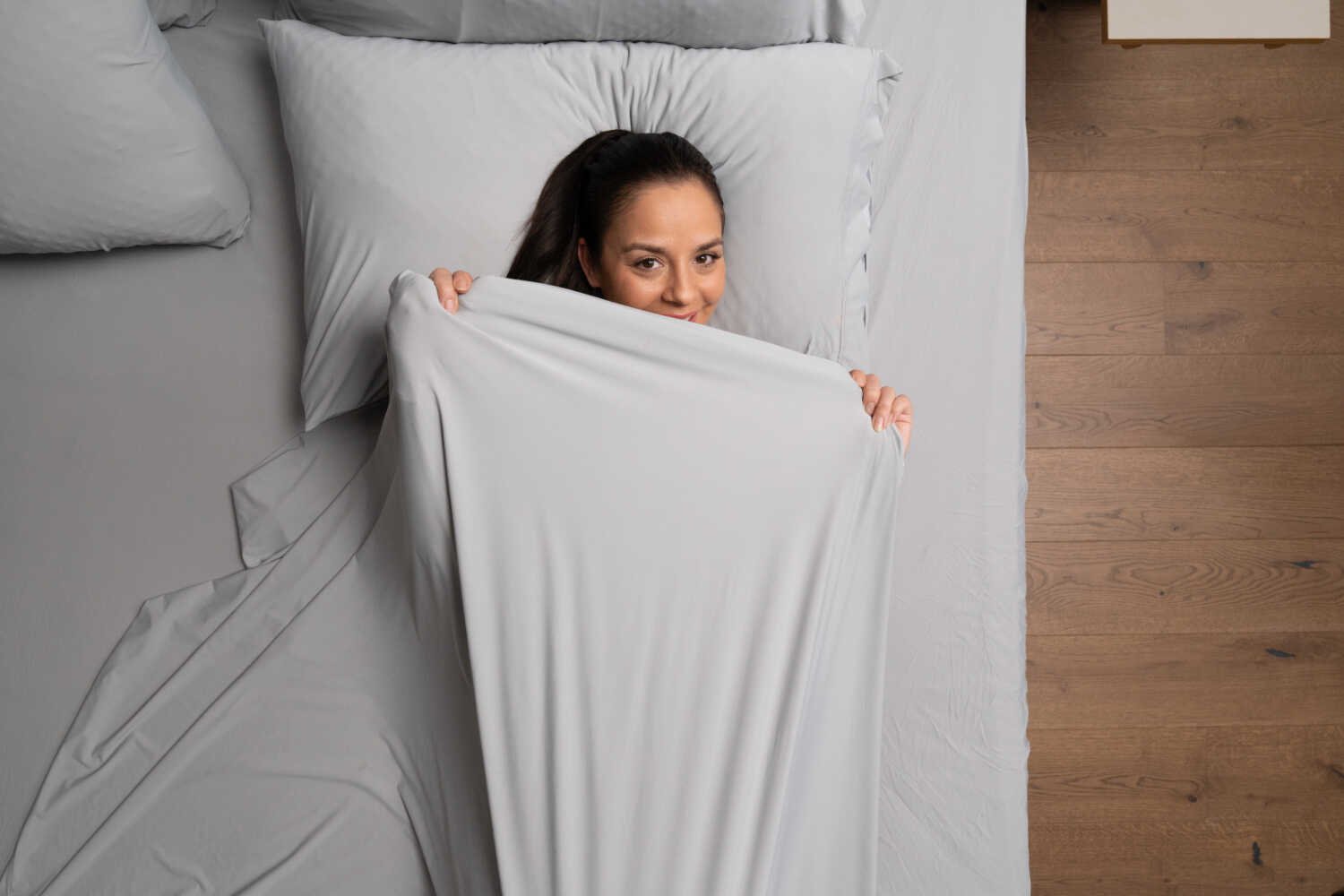
A cool sleep environment isn't just about comfort. Temperature plays an important role in healthy sleep.
When your bedroom is too warm, it may become harder to fall asleep and remain asleep throughout the night. You may spend more time tossing and turning, wake up more often, and feel less rested in the morning.
Better temperature regulation can help support:
Falling asleep faster
Fewer nighttime awakenings
More restorative sleep
Better mood the next day
Improved concentration
Increased daytime energy
For many hot sleepers, the solution isn't one big change. It's a combination of several small improvements that work together.
25 Ways to Stay Cool While Sleeping
1. Keep Your Bedroom Cool
Experts generally recommend keeping your bedroom between 60°F and 67°F for optimal sleep. Experiment within that range to find the temperature that feels most comfortable for you.
Even lowering the thermostat by a few degrees can make a noticeable difference.
2. Use Breathable Silver-Infused Bedding
Your sheets have direct contact with your skin for eight hours every night, making them one of the biggest factors in sleep comfort.
If you're constantly overheating, switching to breathable bedding can be one of the easiest upgrades you make.
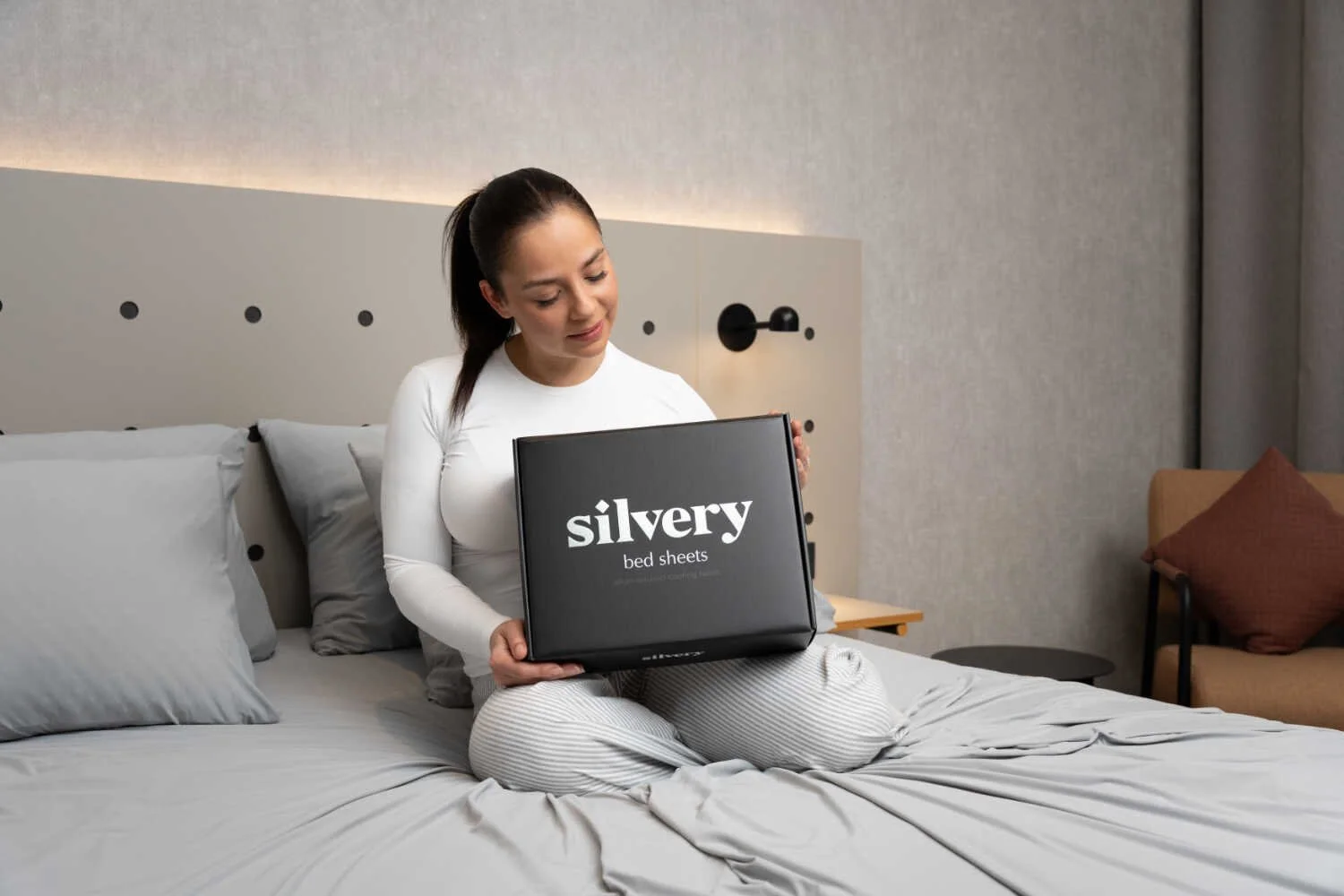
Silvery's silver-infused cooling sheets are designed to promote airflow while creating a cooler sleep surface. The fabric feels smooth and lightweight instead of trapping heat around your body, making them an excellent choice for hot sleepers looking to stay comfortable throughout the night.
Unlike heavier bedding that can leave you waking up sweaty, breathable sheets help create a more balanced sleep environment without sacrificing softness or comfort.
3. Sleep With Lightweight Blankets
Many people keep using heavy comforters throughout the year. During warmer months, switch to lighter blankets that provide comfort without trapping excess heat.
4. Wear Breathable Sleepwear
Loose-fitting pajamas made from lightweight, moisture-wicking fabrics often feel much cooler than thick fleece or flannel.
Some hot sleepers even find they sleep more comfortably with fewer layers.
5. Use a Fan
Fans don't actually lower room temperature, but they improve airflow and help sweat evaporate more efficiently.
The moving air often makes the room feel several degrees cooler.
6. Keep Your Feet Cool
Your feet help regulate body temperature.
If you're overheating, try sticking one or both feet outside the blankets. It's a surprisingly effective trick that many hot sleepers swear by.
7. Take a Lukewarm Shower Before Bed
A lukewarm shower can help your body cool down before you climb into bed. While a cold shower might seem like the obvious choice, extremely cold water can actually cause your body to retain heat as it works to warm itself back up.
Aim for a shower that's comfortably cool or lukewarm about 30 to 60 minutes before bedtime. You'll wash away sweat from the day while giving your body a chance to naturally cool down.
8. Stay Hydrated Throughout the Day
Your body relies on proper hydration to regulate temperature efficiently. Even mild dehydration can make it harder to stay comfortable when temperatures rise.
Drink plenty of water throughout the day, especially during the summer months or after exercising. Keep a glass or reusable water bottle on your nightstand in case you wake up thirsty overnight.
9. Avoid Heavy Meals Before Bed
Eating a large meal late in the evening forces your digestive system to work harder, which can temporarily increase body temperature.
If possible, finish dinner at least two to three hours before bedtime. If you need a snack later in the evening, choose something light instead of a large, rich meal.
10. Limit Alcohol Before Bed
While alcohol may make you feel sleepy initially, it can interfere with your body's ability to regulate temperature during the night. Many people notice they wake up feeling unusually warm or sweaty after drinking alcohol in the evening.
If you're already prone to sleeping hot, limiting alcohol close to bedtime may help you sleep more comfortably.
11. Skip Spicy Foods Late at Night
Spicy foods contain compounds that can temporarily raise your body temperature and increase sweating.
There's no reason to give up your favorite spicy meals altogether, but consider enjoying them earlier in the day if nighttime overheating is a frequent problem.
12. Exercise Earlier in the Day
Regular exercise supports better sleep, but timing matters.
An intense workout immediately before bed can leave your core temperature elevated for hours. If possible, schedule vigorous exercise in the morning or afternoon. If evenings are your only option, try finishing your workout at least two hours before bedtime.
13. Close Your Curtains During the Day
If your bedroom receives direct sunlight, it may absorb heat all afternoon.
Keeping blackout curtains or blinds closed during the hottest part of the day helps prevent your room from becoming an oven before bedtime.
14. Open Windows When Temperatures Drop
If the outside air becomes cooler than your indoor temperature after sunset, open your windows to let fresh air circulate through your home.
Cross ventilation by opening windows on opposite sides of the house can be especially effective.
15. Cool Your Pillow Before Bed
Some hot sleepers place their pillowcase in the freezer for a few minutes before bedtime or keep a second pillow nearby to swap in during the night.
While the cooling effect is temporary, it can make falling asleep much more comfortable.
16. Keep Electronics Away From Your Bed
Televisions, gaming systems, laptops, and even phone chargers generate heat.
Reducing the number of electronics in your bedroom can help keep the room slightly cooler while also reducing blue light exposure before bed.
17. Choose Breathable Mattress Accessories
If you use a mattress protector or topper, make sure it doesn't trap excess heat.
The more breathable your entire sleep setup is, the easier it becomes for your body to stay comfortable throughout the night.
18. Upgrade Your Sheets
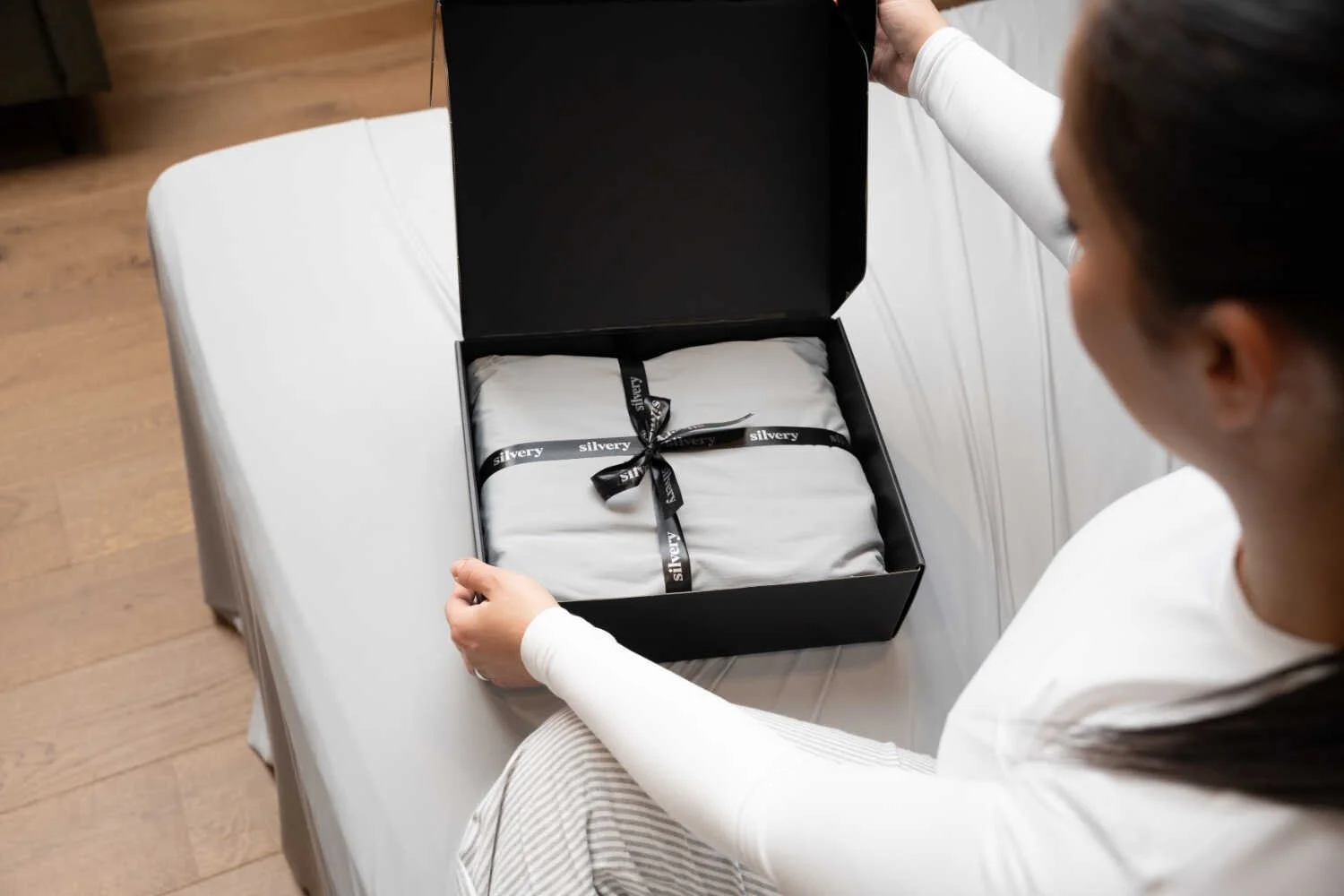
If you're only going to invest in one sleep upgrade, start with your sheets.
Because they stay in constant contact with your skin, your sheets have a significant impact on how warm or cool you feel overnight.
Silvery's silver-infused cooling sheets are designed for people who struggle with overheating while sleeping. Their lightweight, breathable construction promotes airflow instead of trapping heat against your body. The smooth feel also creates a more comfortable sleep surface, helping many hot sleepers stay cooler and sleep more soundly.
Pairing breathable sheets with a comfortable room temperature often provides a noticeable improvement without changing your entire bedroom.
19. Reduce Humidity
Humidity can make your bedroom feel much warmer than the actual temperature.
If you live in a humid climate, using a dehumidifier can remove excess moisture from the air and make the room feel cooler and more comfortable.
20. Sleep With Your Arms and Legs Uncovered
You don't necessarily need to remove all your blankets.
Leaving your hands, feet, or lower legs uncovered can help release body heat while still allowing you to feel cozy.
21. Keep Extra Light Bedding Nearby for a quick swap
Some nights are warmer than others, and your bedding needs may fluctuate.
Instead of waking up frustrated, keep a lightweight blanket within reach so you can easily adjust your bedding during the night without fully waking up.
22. Manage Stress Before Bed
Stress doesn't just keep your mind awake. It can also make your body feel warmer.
Simple relaxation techniques such as deep breathing, meditation, gentle stretching, or reading a book can help your body transition into sleep more comfortably.
23. Lower Your Body Temperature Naturally
Try placing a cool washcloth on your forehead, neck, or wrists before bed.
These pulse points can help you feel cooler without needing to lower your home's thermostat significantly.
24. Sleep Alone When Possible
Sharing body heat with a partner or even a pet naturally raises the temperature under the blankets.
While sleeping separately isn't practical for everyone, using separate blankets can sometimes help both people stay more comfortable.
25. Be Consistent With Your Sleep Schedule
Your body regulates temperature more efficiently when your internal clock stays consistent.
Going to bed and waking up at roughly the same time every day can improve overall sleep quality and make it easier for your body to follow its natural cooling process each night.
The Best Bedding for Hot Sleepers
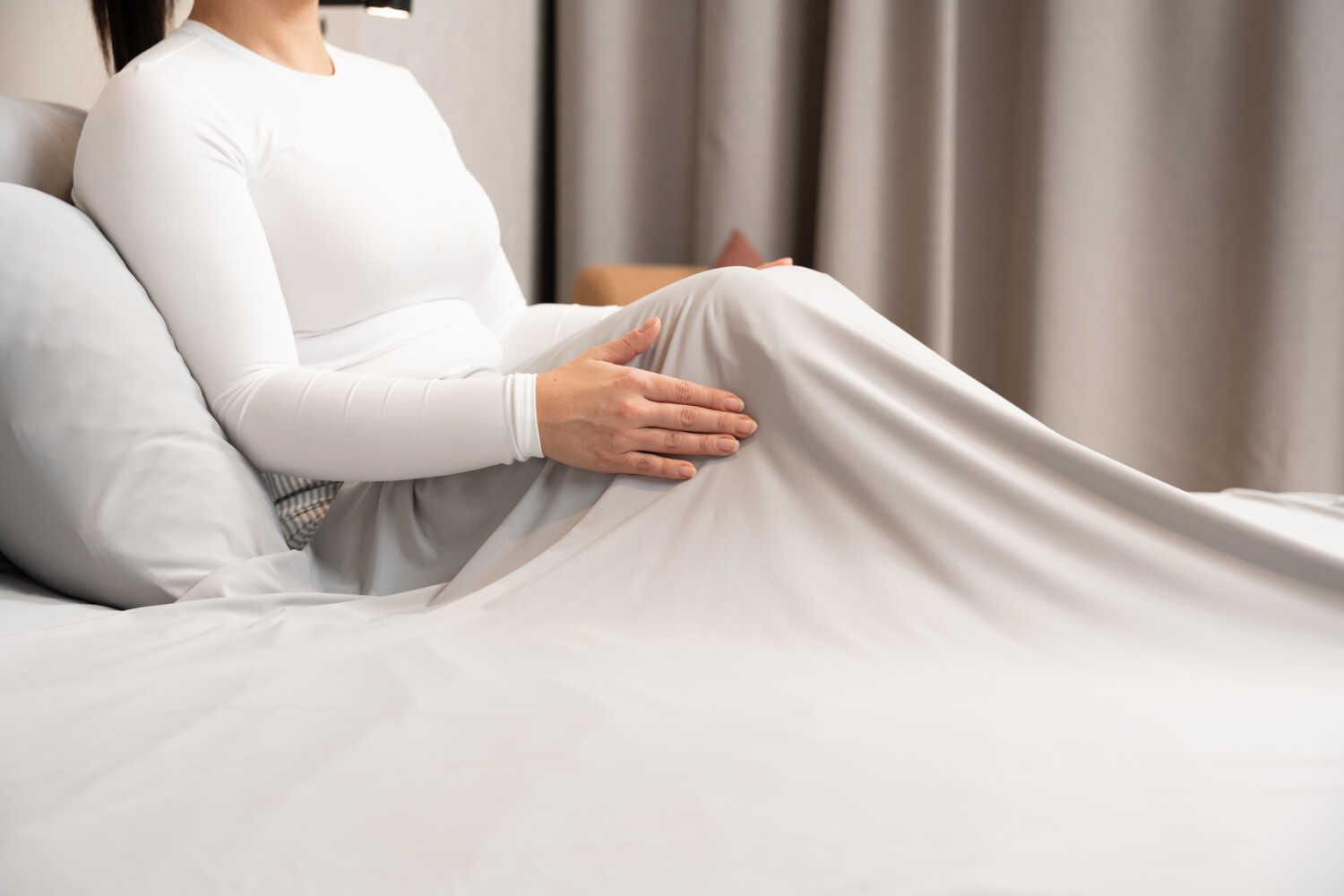
When people think about sleeping cooler, they often focus on lowering the thermostat or buying another fan. While those changes can help, your bedding is one of the most important pieces of the puzzle because it's in direct contact with your skin all night long.
Heavy or non-breathable sheets can trap warmth and moisture, making it difficult for heat to escape. Breathable bedding allows better airflow and creates a more comfortable sleep environment.
Silvery's silver-infused cooling sheets are designed specifically with comfort in mind. Their breathable construction helps hot sleepers avoid that overheated, sticky feeling that often leads to tossing and turning.
If you're only making one upgrade to improve your sleep, starting with high-quality cooling sheets is often one of the simplest and most effective changes you can make.
Spotlight: Why Hot Sleepers Love Silvery Cooling Sheets
If you're only going to upgrade one part of your sleep setup, make it your sheets.
Silvery combines advanced silver-infused fabric with breathable, moisture-wicking materials to help hot sleepers stay cool, dry, and comfortable throughout the night. According to the brand, the sheets are designed to regulate temperature by drawing heat away from your body while promoting better airflow. The silver-infused fabric is also lab tested to help inhibit up to 99.9% of bacteria growth on the fabric and stay fresh longer than traditional sheets. Individual results may vary.
Whether you're dealing with warm summer nights, frequent overheating, or occasional night sweats, Silvery's lightweight cooling sheets can help create a more comfortable sleep environment. Pair them with a cool bedroom and healthy sleep habits, and you'll be well on your way to more restful nights and better mornings.
Evening Habits That Help You Sleep Cooler
Your nighttime routine can have just as much impact on sleep as your bedroom setup.
Try creating a cooling bedtime routine by:
Dimming the lights an hour before bed.
Taking a lukewarm shower.
Drinking a glass of water.
Avoiding heavy meals.
Turning off electronics.
Setting your thermostat before getting into bed.
Sleeping on breathable Silvery cooling sheets.
These small habits work together to create an environment where your body can cool naturally and prepare for restful sleep.
Foods and Drinks That Can Affect Your Body Temperature at Night
What you eat and drink during the day can influence how warm you feel once your head hits the pillow. While everyone responds differently, making a few simple adjustments may help reduce nighttime overheating.
Foods That May Make You Feel Warmer:
Some foods naturally increase your body's heat production during digestion or temporarily raise your heart rate.
If you're a hot sleeper, consider limiting these foods in the few hours before bed:
Spicy Foods
Hot peppers, chili powder, and spicy sauces contain capsaicin, a compound that can trigger sweating and temporarily raise body temperature. Enjoy spicy meals earlier in the day instead of right before bedtime.
Heavy, High Fat Meals
Large portions of fried foods, creamy dishes, and rich desserts require more energy to digest. This process can leave you feeling warmer long after dinner.
Sugary Treats
A dessert loaded with sugar can cause blood sugar fluctuations that may disrupt sleep and leave some people feeling restless during the night.
Caffeinated Drinks
Coffee, energy drinks, certain teas, and caffeinated sodas stimulate your nervous system. Besides making it harder to fall asleep, caffeine may also contribute to feeling warmer in bed for some people.
Foods That May Help You Sleep More Comfortably
No food can magically cool your body overnight, but lighter evening meals may help you avoid unnecessary heat production during digestion.
Some bedtime-friendly options include:
Fresh fruit
Greek yogurt
Cottage cheese
A banana with peanut butter
Oatmeal
Whole grain toast
A small turkey sandwich
Mixed greens with grilled chicken
Keeping dinner balanced and avoiding overeating often leads to a more comfortable night's sleep.
Stay Hydrated
Proper hydration helps your body regulate temperature more effectively.
Try to drink water consistently throughout the day instead of waiting until bedtime to catch up. Drinking excessive amounts of water immediately before bed may lead to unnecessary bathroom trips that interrupt your sleep.
Travel Tips for Hot Sleepers
Sleeping away from home can be especially challenging if you're already prone to overheating.
Whether you're staying in a hotel, visiting family, or taking a summer vacation, a little planning can help you sleep more comfortably.
Pack Cooling Bedding When Possible
If you're traveling by car or staying somewhere for several nights, consider bringing your Silvery silver-infused cooling sheets. Sleeping on familiar, breathable bedding can make a surprising difference, especially if your accommodations use heavier sheets.
Adjust the Thermostat Early
If you're staying in a hotel, lower the room temperature as soon as you arrive. Waiting until bedtime means the room may still be holding onto heat.
Use the Fan Setting
Many hotel air conditioning units include a fan-only mode that keeps air circulating throughout the night. Better airflow often makes the room feel cooler without constantly running the air conditioner.
Dress in Lightweight Sleepwear
Packing lightweight pajamas takes up very little suitcase space and can make sleeping much more comfortable in unfamiliar environments.
Stay Hydrated While Traveling
Long flights, road trips, and sightseeing in warm weather can leave you dehydrated without realizing it. Drink water regularly throughout the day so your body is better able to regulate its temperature overnight.
Common Causes of Night Sweats
Occasional sweating while sleeping is common, especially during hot weather.
However, if you experience frequent or severe night sweats, it's worth considering what might be causing them.
Some common causes include:
A bedroom that's too warm
Heavy blankets or non-breathable bedding
Hormonal changes, including menopause
Certain prescription medications
Anxiety or stress
Alcohol consumption
Fever or temporary illness
Intense exercise shortly before bed
If your night sweats are new, severe, happen regularly, or occur alongside unexplained weight loss, fever, or other concerning symptoms, schedule an appointment with your healthcare provider. They can help determine whether an underlying medical condition may be contributing to the problem.
Frequently Asked Questions
What is the best room temperature for hot sleepers?
Most sleep experts recommend keeping your bedroom between 60°F and 67°F. Many hot sleepers find the sweet spot falls around 65°F, but the ideal temperature varies from person to person.
Why do I get so hot when I sleep?
Your body temperature naturally changes throughout the night, but factors such as warm bedding, room temperature, hormones, stress, medications, alcohol, or certain health conditions can all contribute to overheating.
Do cooling sheets actually work?
Breathable cooling sheets can help reduce heat buildup by allowing better airflow around your body.
Silvery's silver-infused cooling sheets are designed to create a cooler, more comfortable sleep environment by helping heat dissipate instead of becoming trapped around you throughout the night.
Is sleeping with a fan healthy?
For most people, yes. Fans improve airflow and help sweat evaporate more efficiently, making it easier to stay cool while sleeping.
If you have allergies or dry eyes, you may want to clean your fan regularly and avoid directing airflow directly toward your face.
Can dehydration make you feel hotter at night?
Yes. Staying properly hydrated supports your body's natural temperature regulation. While hydration alone won't solve nighttime overheating, it can be one helpful piece of the puzzle.
What bedding is best for hot sleepers?
Breathable sheets are one of the most important upgrades for people who sleep hot.
Silvery's silver-infused cooling sheets are designed to promote airflow and help create a cooler sleep surface, making them an excellent choice for anyone looking to stay comfortable throughout the night.
Final Thoughts
If you're tired of waking up sweaty, throwing off the blankets, or constantly searching for the cool side of the pillow, know that better sleep is possible.
The best results usually come from combining several small changes instead of relying on a single solution. Lower your bedroom temperature, create a calming bedtime routine, stay hydrated, and choose breathable bedding that helps regulate heat while you sleep.
For many hot sleepers, upgrading to Silvery's silver-infused cooling sheets is one of the simplest ways to improve comfort night after night. Combined with healthy sleep habits and a cool bedroom, they can help create the ideal environment for deeper, more refreshing sleep.
Whether you sleep hot year-round or only struggle during the warmer months, these practical strategies can help you spend less time tossing and turning and more time waking up feeling rested.