
Dry Brushing or Wet Exfoliation? Here's When to Use Each
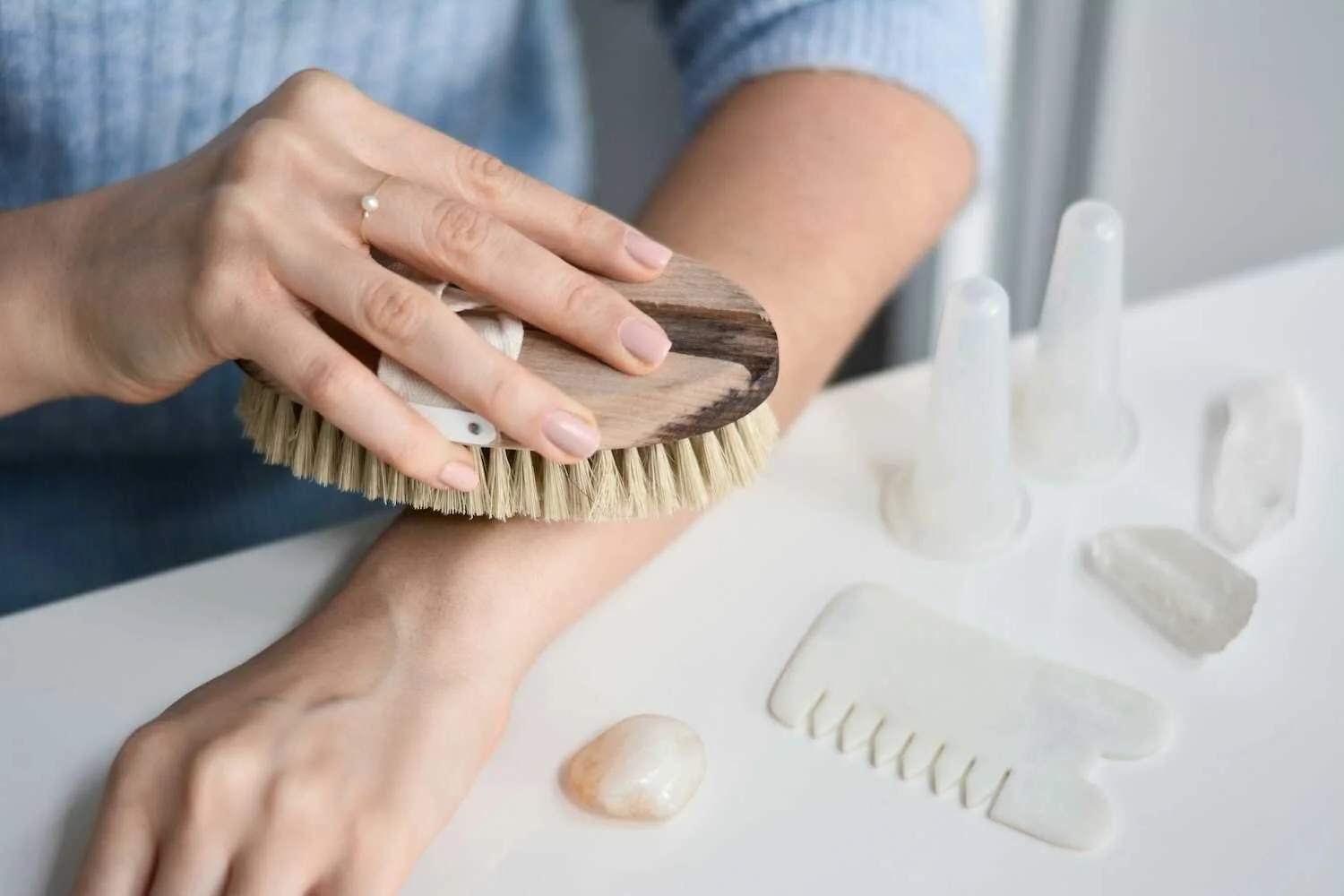
Standing in the body care aisle and staring down a wall of brushes, scrubs, and loofahs can feel more confusing than relaxing. The good news is that you do not need to buy everything on the shelf to get smoother-looking skin; you just need to understand which technique is built for your skin type and your goals. Dry brushing and wet exfoliation are both legitimate, effective methods, but they work differently and are suited to different situations. Knowing when to reach for each one is the real unlock.
What Is Dry Brushing?
Dry brushing is exactly what the name describes: you take a firm, natural-bristle brush and move it across completely dry skin before stepping into the shower. The strokes are long and upward, always moving in the direction of your heart. Because no water is involved, the friction between the bristles and your skin is at its highest, which makes the method so efficient.
That elevated friction does two things at once. It physically lifts and removes dead skin cells from the surface, and it delivers a firm, stimulating massage that gets circulation moving. Many people swear by it as a morning ritual because the sensation alone feels like a shot of espresso; it genuinely wakes you up before the shower even starts.
The Best Times to Dry Brush
Dry brushing is best suited for normal, oily, or resilient skin types that can handle a little extra friction without protesting. If your skin tends to be dull, congested, or bumpy in texture (especially on the upper arms or thighs), consistent dry brushing a few times per week can make a noticeable difference over time. It works particularly well in warmer months when skin is less prone to dryness.
It is also a smart move before applying self-tanner. Fake tan clings unevenly to dry, flaky patches, which is what causes the streaky or blotchy results that give self-tanning a bad reputation. Dry brushing a few hours before application preps the surface so the product distributes evenly. Just keep in mind that it is not appropriate if you have eczema, active breakouts, or generally sensitive skin, as the stiff bristles can aggravate already compromised skin.
What Is Wet Exfoliation?
Wet exfoliation is the method most people are already familiar with, even if they have never called it that. It happens entirely in the bath or shower, using warm water with a physical scrub, a chemical exfoliant, or a cleansing tool. When your skin is soaked in warm water, the outer layer softens and loosens, so you can lift away dead skin cells and debris without applying much pressure at all.
The options within wet exfoliation are wide. Chemical body washes that contain salicylic acid or glycolic acid work gradually and are ideal for people with sensitivity. Physical scrubs made with sugar or sea salt provide immediate, satisfying results. If you prefer a tool to a gritty product, a silicone body scrubber used alongside your favorite shower gel delivers a thorough cleanse without harboring bacteria the way older loofah styles can.
When to Choose Wet Exfoliation
Wet exfoliation is the more forgiving of the two methods, which makes it the better fit for sensitive, dry, or easily irritated skin. The warm water acts as a buffer, reducing friction, so there is far less risk of over-stripping or causing surface-level redness. If your skin tends to feel tight or reactive after exfoliating, this approach will almost always serve you better.
It is also the go-to for stubborn ingrown hairs or the rough texture that tends to build up around the knees, elbows, and ankles. Steam from the shower opens pores and allows exfoliating ingredients to penetrate more effectively, resulting in a deeper clean. If you shaved the day before or your skin is sun-stressed, a gentle wet scrub with a hydrating formula will smooth things out without triggering any irritation.
Can You Use Both?
It is tempting to try both in the same session and double up on results, but that approach tends to backfire. Layering two forms of exfoliation back-to-back strips your natural oils, disrupts the skin barrier, and can leave your skin raw, red, and far more vulnerable to irritation and infection. More is not better here; consistency is.
A smarter strategy is to alternate based on the season and how your skin is actually behaving. Dry brushing a couple of times per week during summer can keep legs looking their best, while switching to a gentle wet scrub during cold, dry winter months helps prevent flaking without added friction. Pay attention to how your skin responds after each session and adjust accordingly. If anything feels tight or looks red, scale back.
Both methods share a common goal: removing the buildup that stands between you and smoother-looking skin. According to the American Academy of Dermatology, keeping exfoliation consistent (without overdoing it) is one of the simplest ways to support healthy skin texture long term. Healthline also notes that dry brushing may support lymphatic circulation, adding another layer of benefit beyond the surface.
The Bottom Line
There is no single right answer between dry brushing and wet exfoliation. The better choice is the one that fits your skin type, your routine, and the season you are in. Whichever method you choose, always follow up with a moisturizer applied to damp skin to lock in hydration, and give your skin enough recovery time between sessions so it can do what it does naturally.