
How to Create a Personalized Wellness Routine That Fits Your Lifestyle
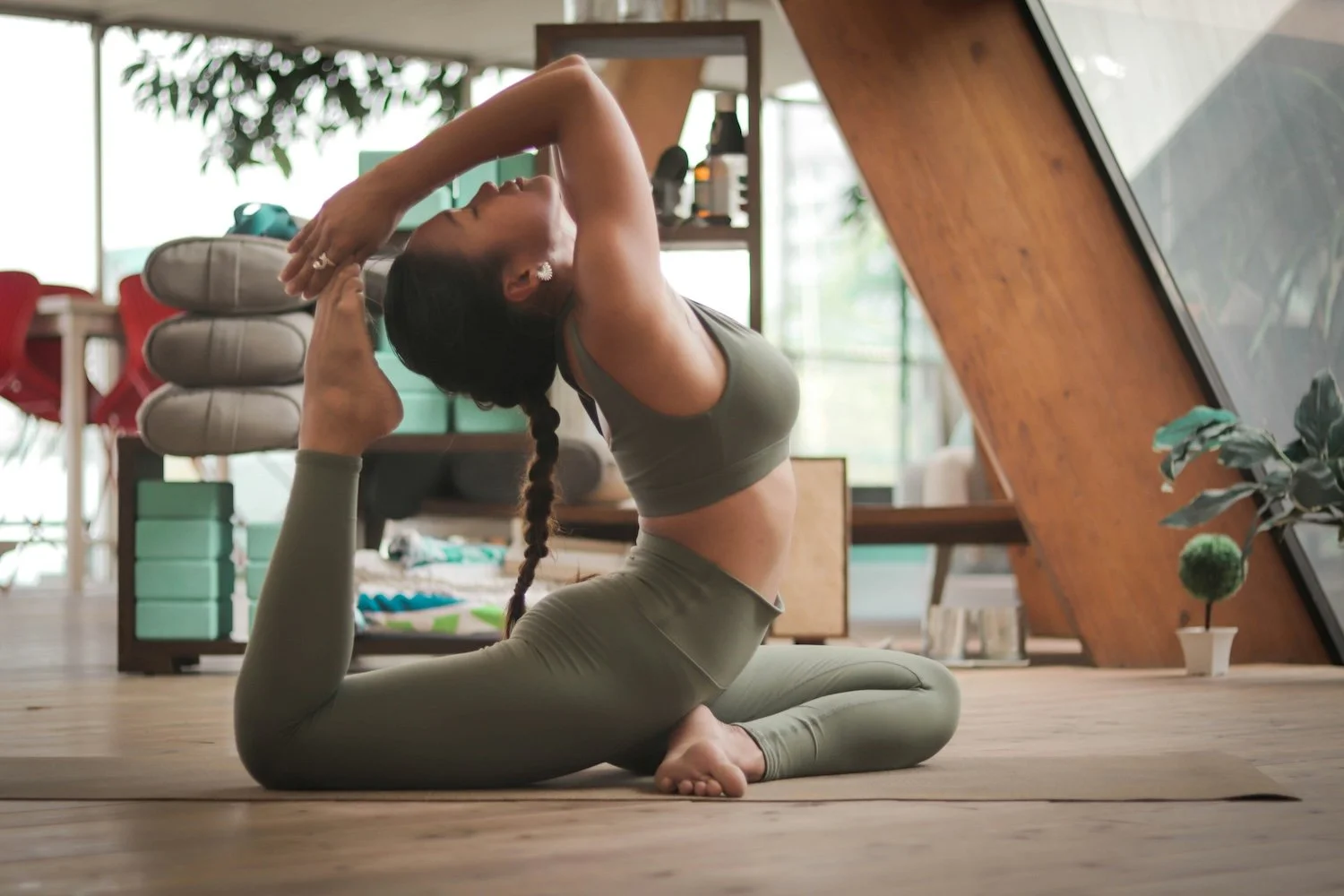
Wellness is not a one-size-fits-all concept. What works for one person may not suit another, especially when people have different schedules, responsibilities, fitness levels, and personal goals. While some prefer starting their mornings with physical activity, others find that meditation, gentle stretching, or a quiet moment before bed makes a greater difference to their well-being.
Creating a personalized wellness routine means finding habits that support your physical and mental health while fitting naturally into your everyday life. Rather than following strict schedules or trying to change everything at once, the goal is to build sustainable practices that help you feel healthier, more balanced, and better equipped to handle daily challenges.
1. Start by Understanding Your Wellness Goals
Before introducing new habits, take some time to consider what you want to achieve. You might want to improve your physical fitness, manage stress, sleep better, increase your energy levels, or develop a healthier relationship with yourself.
Identifying your main goals makes it easier to choose activities that provide meaningful benefits. For example, someone who spends most of the day sitting may benefit from regular movement and stretching, while someone dealing with a demanding schedule might prioritize relaxation and mindfulness.
Think about which activities already make you feel good and which aspects of your routine leave you feeling tired or overwhelmed. This gives you a starting point for making realistic improvements without putting unnecessary pressure on yourself.
2. Choose Activities That Match Your Lifestyle
A wellness routine should complement your lifestyle rather than compete with it. If you have a busy work schedule, committing to several hours of exercise every day may not be realistic. Instead, shorter activities that fit into your existing schedule may be easier to maintain.
Consider combining different types of activities to support various aspects of your health:
Physical activity: Walking, swimming, cycling, yoga, and strength training can help improve fitness, mobility, and overall physical health.
Mindfulness: Meditation, breathing exercises, and journaling can encourage greater self-awareness and help manage everyday stress.
Rest and recovery: Prioritizing sleep, taking breaks, and allowing time for relaxation are important for long-term well-being.
Nutrition: Eating balanced meals and staying hydrated can support energy levels and general health.
Social connection: Spending quality time with friends and family can contribute to emotional well-being.
You do not need to incorporate every activity immediately. Start with a few practices that address your most important needs and gradually introduce others.
3. Make Yoga and Meditation Part of Your Routine
Physical movement and mental relaxation are both important elements of a balanced lifestyle. Yoga and meditation offer complementary ways to support these areas, making them valuable additions to many wellness routines.
Yoga combines movement, stretching, breathing, and body awareness. Depending on the style and intensity, it can help improve flexibility, balance, mobility, and muscular strength. It also encourages people to slow down and pay attention to how their bodies feel.
Meditation provides an opportunity to develop mindfulness and become more aware of thoughts, emotions, and breathing patterns. Even a few minutes of guided meditation can create space for relaxation and help establish a calmer transition between different parts of the day. For those who prefer individualized guidance, private yoga and meditation classes can offer an approach tailored to personal goals, experience, and preferences. Whether through individual sessions or small-group instruction, yoga and meditation classes allow participants to explore suitable practices, receive guidance on technique, and adjust their sessions according to their needs.
The most important thing is consistency rather than intensity. A short yoga session or meditation practice that you genuinely enjoy is often easier to maintain than an ambitious routine that quickly becomes another source of stress.
4. Create a Schedule You Can Actually Maintain
One of the biggest challenges when developing healthier habits is finding enough time to practice them consistently. A realistic schedule can make a significant difference when balancing work, family responsibilities, and personal commitments.
Start by identifying small opportunities throughout your day. You might spend ten minutes stretching in the morning, take a short walk during lunch, or practice meditation before going to bed.
It can also help to connect new habits with activities you already perform. For example, try doing a few breathing exercises after making your morning coffee or stretching briefly after finishing work. Associating wellness activities with established routines makes them easier to remember and repeat.
Remember that your schedule does not have to be rigid. Some days will be busier than others, and your energy levels may fluctuate. Having flexible alternatives, such as a shorter workout or a five-minute mindfulness exercise, helps you maintain healthy habits without feeling discouraged when plans change.
5. Pay Attention to Your Body and Mental Well-Being
A personalized wellness routine should evolve as your needs change. What feels beneficial during one period of life may become less practical during another. That is why regularly checking in with yourself is just as important as following your schedule.
Notice how different activities affect your energy, mood, sleep, and overall sense of well-being. If a particular exercise leaves you feeling exhausted rather than refreshed, consider adjusting its duration or intensity. If you find it difficult to relax, experimenting with different meditation techniques or breathing exercises may help you identify what works best.
It is equally important to recognize when rest is necessary. Taking a break does not mean abandoning your wellness goals. Recovery is an essential part of maintaining a sustainable approach to physical activity and everyday health.
Avoid comparing your progress with other people's routines. Wellness is personal, and meaningful improvements do not always happen quickly or follow a predictable pattern.
6. Focus on Consistency Instead of Perfection
A common mistake when starting a wellness journey is trying to make too many changes at once. Strict schedules, unrealistic fitness goals, and overly complicated routines can quickly become difficult to manage.
Instead, focus on building small habits that you can maintain over time. Begin with one or two changes, give yourself time to adjust, and introduce additional activities when you feel ready.
Allow room for flexibility, too. Missing a workout, skipping meditation, or having an especially busy week does not undo your progress. What matters is returning to the habits that support your well-being when circumstances allow.
Build a Wellness Routine That Works for You
A successful wellness routine is not defined by how many activities you complete or how closely you follow a particular schedule. It is defined by how well those habits support your individual needs and fit into your everyday life.
By setting realistic goals, choosing enjoyable activities, making time for movement and relaxation, and paying attention to your body's signals, you can develop a balanced approach to well-being that is easier to maintain. Start small, remain flexible, and remember that the best routine is one that helps you feel better without adding unnecessary pressure to your life.