
How to Choose, Wear, and Care for a Mechanical Watch
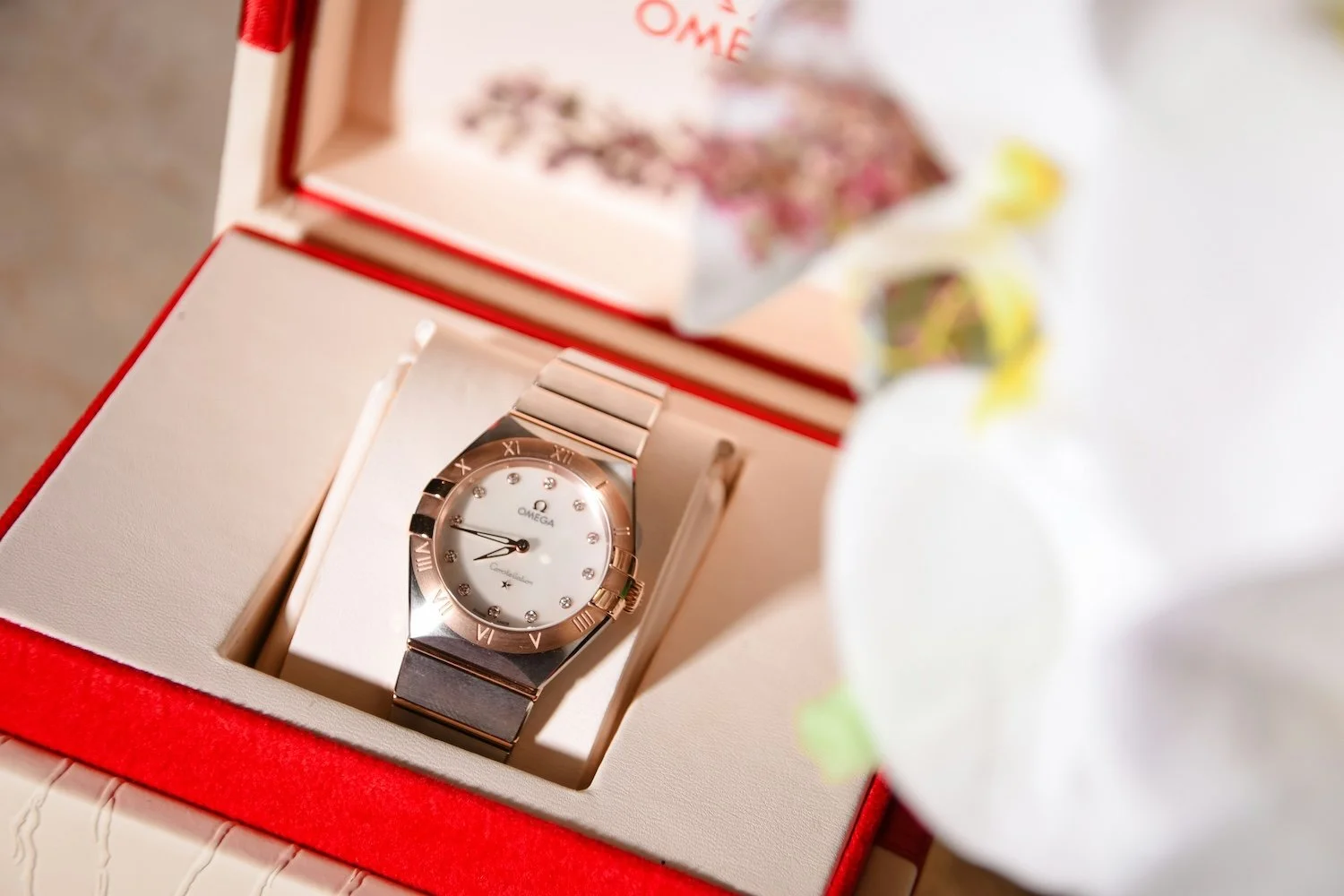
Mechanical watches sit at an interesting intersection: they're precision instruments built for timekeeping, yet they also carry the weight of traditional engineering and craftsmanship handed down through generations of watchmakers.
Choosing one involves far more than aesthetics—movement type, water resistance, case sizing, service requirements, and documentation all factor into whether a watch will serve you well for years to come.
As you research, you'll likely come across countless brands and collections, from independent makers to household names like omega watches, but this article isn't about recommending any particular seller or manufacturer. Instead, the goal is simple: help you make an informed decision and sidestep the common mistakes that lead to disappointment or unnecessary expense down the road.
Understand the Main Types of Mechanical Movements
Manual-winding movements require the wearer to turn the crown periodically to keep the mainspring powered. This hands-on involvement appeals to people who enjoy understanding their watch's operating cycle, and manual movements often allow for thinner case construction as a result. The tradeoff is consistency—skip winding for a day or two, and the watch simply stops.
Automatic movements, by contrast, use a rotor that spins with wrist motion to wind the mainspring on its own. That said, these watches can still stop if left unworn long enough to exhaust their power reserve. This is why the stated power reserve actually matters, particularly for anyone rotating between several watches without wearing each one daily.
Technical specifications like movement frequency, power reserve, accuracy claims, shock resistance, and magnetic resistance each tell you something different about real-world performance. A higher-frequency or more complicated movement isn't automatically "better"—reliability and suitability for daily use typically matter more than sheer complexity for most owners.
Match the Watch to Your Lifestyle
For everyday wear, prioritize case durability, legibility, scratch resistance, and comfort across different outfits. Understated designs tend to prove more versatile than highly specialized ones. Formal or occasional-use watches benefit from slimmer cases and more restrained proportions, but even rarely worn watches still need proper storage and periodic operation according to manufacturer guidance—they don't simply sit unaffected in a drawer. Active or outdoor use introduces its own set of considerations: shock exposure, temperature swings, magnetic fields,
and water contact. A watch built for the office isn't necessarily suited to diving or high-impact activity, no matter how rugged it looks.
Consider three hypothetical owners: one needing a rugged daily watch for work and errands, another wanting a slim dress watch for occasional formal events, and a third who swims regularly and needs genuine water resistance. Each has different priorities, and no single watch suits all three equally well.
Choose the Right Case Size and Fit
Case diameter alone doesn't determine how a watch wears on your wrist—thickness, lug-to-lug length, and strap width all factor into comfort just as much. Measuring your wrist circumference and trying on watches with similar dimensions, where possible, gives a far better sense of fit than diameter alone ever could. A secure fit should prevent excessive sliding without restricting circulation, and adjustable bracelets or removable links help fine-tune that balance.
Fit checklist: case diameter, case thickness, lug-to-lug span, strap or bracelet width, and comfort throughout normal wrist movement.
Interpret Water Resistance Correctly
"Water-resistant" and "waterproof" are not interchangeable terms—no mechanical watch is permanently waterproof, full stop. Depth ratings come from controlled laboratory testing and shouldn't be treated as a guarantee of safe use at that exact depth during everyday activity. The Fédération de l'industrie horlogère Suisse explains that general water resistance is governed by ISO 22810, while dedicated diver's watches must meet the additional requirements of ISO 6425.[4] Seals degrade over time through age, heat, chemical exposure, and repeated use, so manufacturer guidance consistently emphasizes that water resistance isn't a permanent feature.[9] Always check that the crown and pushers are fully secured before any water exposure, and if you wear your watch around water regularly, have its resistance tested professionally rather than assuming it still holds.
Build a Sensible Maintenance Routine
Everyday care is fairly straightforward: wipe away sweat and moisture with a soft cloth, avoid solvents and cosmetics, and store the watch away from extreme temperatures and magnetic sources. It's also worth avoiding aggressive polishing, which can alter original case edges and proportions over time in ways that are hard to reverse.
Serviceability varies by movement design, usage patterns, and manufacturer recommendations—there's no universal interval that applies to every watch. A manufacturer service guide illustrates this well, basing maintenance intervals on specific movement features and usage conditions rather than a single fixed timeline.
A full service typically includes inspection, cleaning, lubrication, regulation, replacement of worn parts, gasket replacement, and testing—work best left to an authorized center or a qualified independent specialist with the proper equipment on hand.
Evaluate Authenticity and Documentation
Provenance matters significantly when buying pre-owned. Useful documentation includes original purchase records, service invoices, warranty papers, reference and serial numbers, and records of any replaced parts. Boxes and papers alone don't establish authenticity, though, and movement inspection should always be left to a qualified professional. A jeweler's authentication guidance recommends weighing provenance, paperwork, serial numbers, finishing details, movement behavior, and seller credibility together rather than relying on any single indicator. Be cautious of pricing that seems too good to be true, pressure to pay quickly, or inconsistent serial information—these are classic red flags worth taking seriously.
Understand Total Cost of Ownership
The purchase price is only one part of total cost of ownership. Factor in servicing, replacement straps, water-resistance testing, insurance, and potential repair costs, since these add up over the years you own the watch. More complex movements can mean longer service times and higher costs down the line. It's worth comparing long-term practicality rather than focusing solely on brand recognition—future resale value is inherently uncertain and shouldn't be the deciding factor.
Common Mistakes to Avoid
Choosing a watch solely for appearance
Treating water resistance as a guarantee for any activity
Ignoring thickness and lug-to-lug dimensions
Using household chemicals or aggressive polishing
Assuming a stopped automatic watch is broken
Delaying inspection after moisture exposure
Skipping documentation checks on pre-owned pieces
Make the Decision Fit the Ownership Reality
The best mechanical watch isn't necessarily the most complicated or recognizable one on the market—it's the one matched to your actual lifestyle, properly fitted, and maintained responsibly over time.
Key takeaway: Informed ownership comes from matching a watch to real use and caring for it consistently, not from choosing based on appearance or reputation alone. Create your own
checklist, compare options using the same criteria, and seek professional inspection whenever authenticity or condition is unclear.