
25 Kid-Friendly Home Decor Ideas That Still Look Stylish
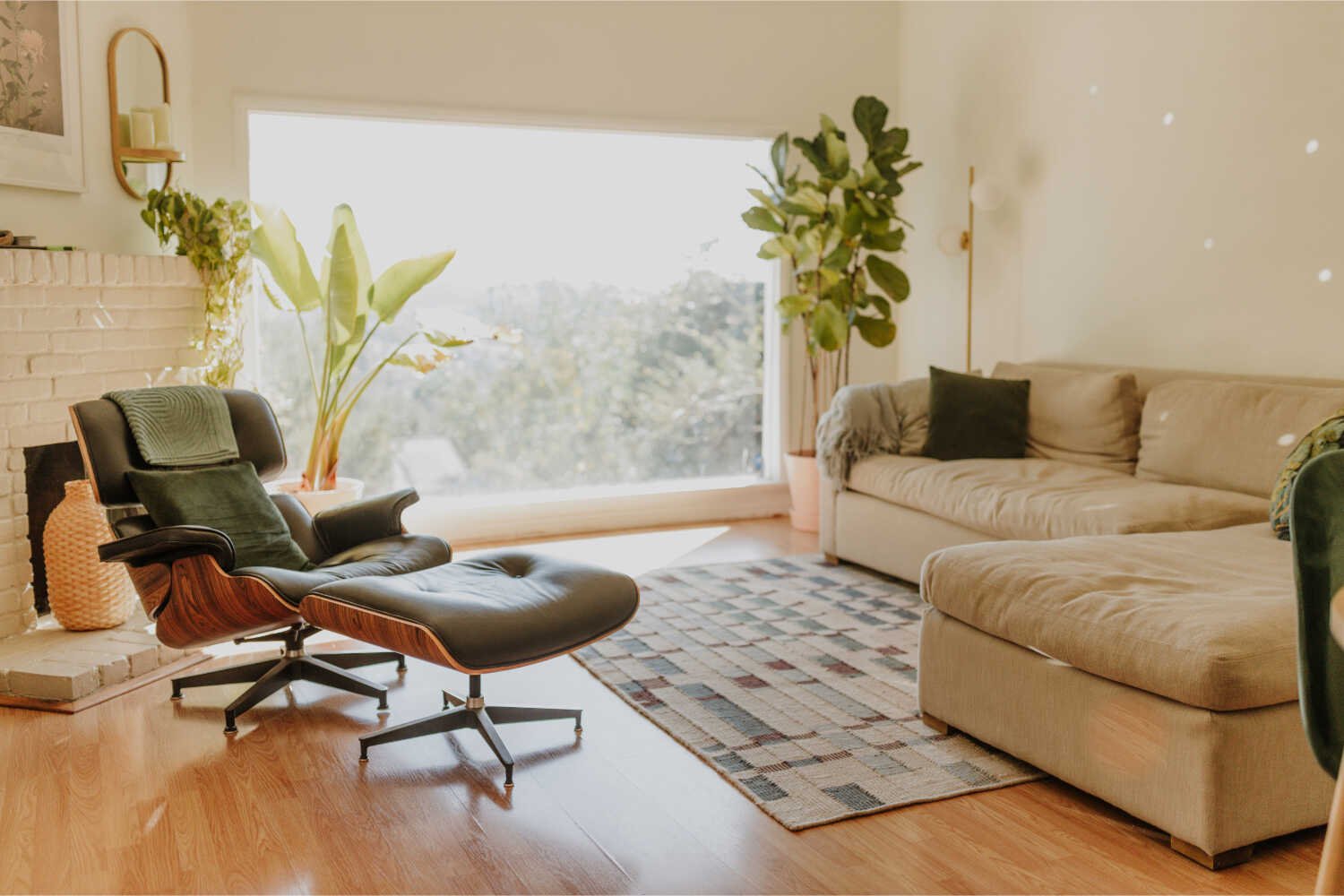
If you have kids, you've probably realized that decorating your home looks a little different than it did before children. Sharp corners, delicate décor, white furniture, and expensive accessories suddenly become much less practical when toddlers are learning to walk, preschoolers are building blanket forts, and school-aged kids are turning every room into a creative space.
The good news is you don't have to choose between a beautiful home and a family-friendly one.
With a few thoughtful design choices, it's possible to create spaces that feel welcoming, stylish, and comfortable while standing up to everyday family life. The secret is choosing materials, furniture, and décor that are both attractive and practical.
Whether you're decorating a new home or refreshing your current space, these kid-friendly home décor ideas will help you create rooms the whole family can enjoy.
Why Kid-Friendly Home Decor Doesn't Have to Look Like a Playroom
Many parents assume that making a home safe for children means filling every room with brightly colored plastic furniture and visible toy bins.
Fortunately, today's family homes are proving otherwise.
Modern kid-friendly decorating focuses on durability, comfort, organization, and timeless style - the kind of style that carries into decor for teenagers. Instead of hiding the fact that children live in your home, it embraces family life while keeping spaces polished and intentional.
The best family homes are designed to be lived in, not just admired.
1. Choose Performance Fabrics
One of the smartest investments you can make is furniture upholstered in performance fabric.
Many modern fabrics resist stains, repel liquids, and are easy to clean after juice spills, sticky fingers, or art projects.
Look for sofas and chairs made with:
Crypton fabrics
Performance velvet
Indoor-outdoor upholstery
High-performance polyester blends
These materials make everyday accidents much less stressful.
2. Skip Glass Coffee Tables
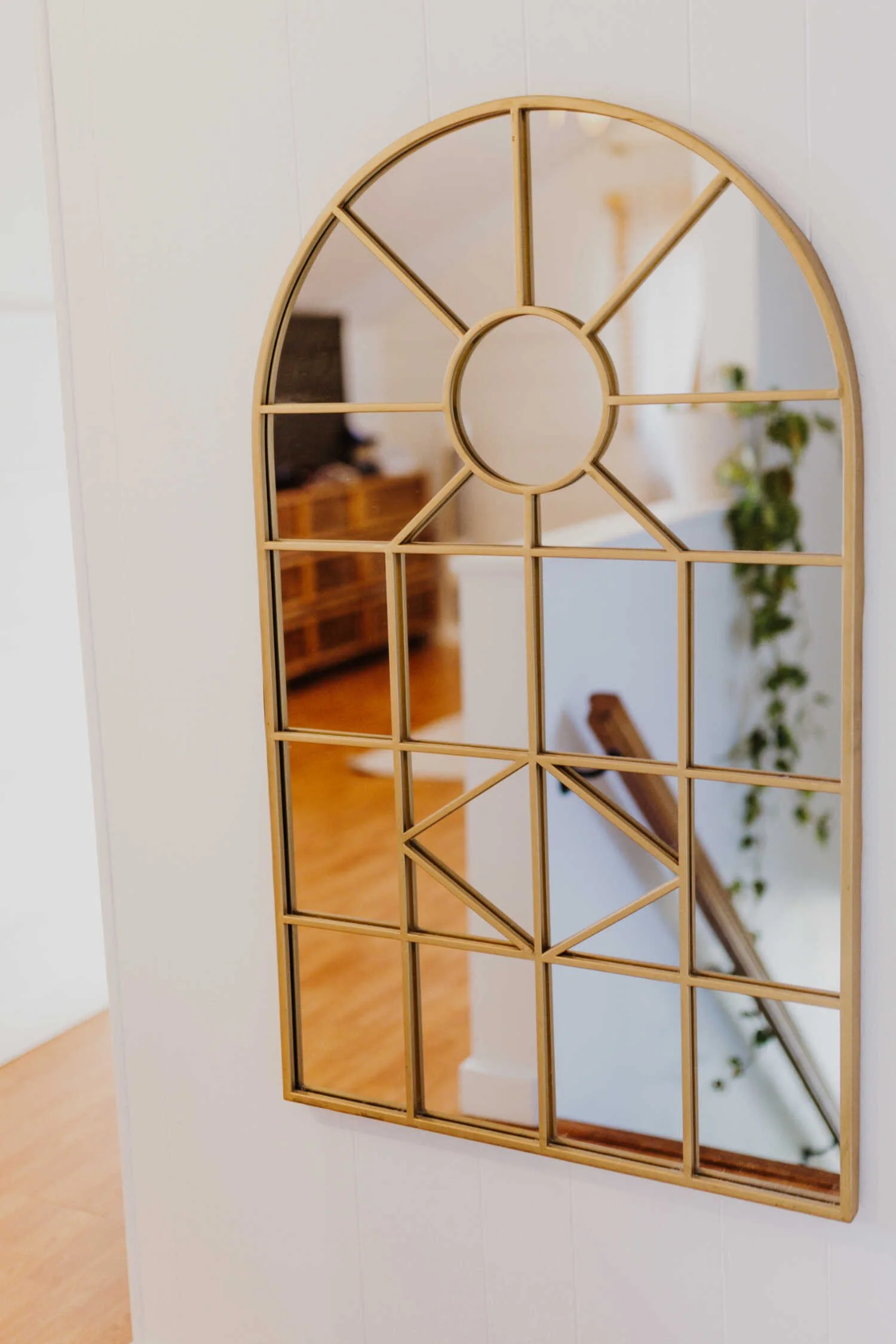
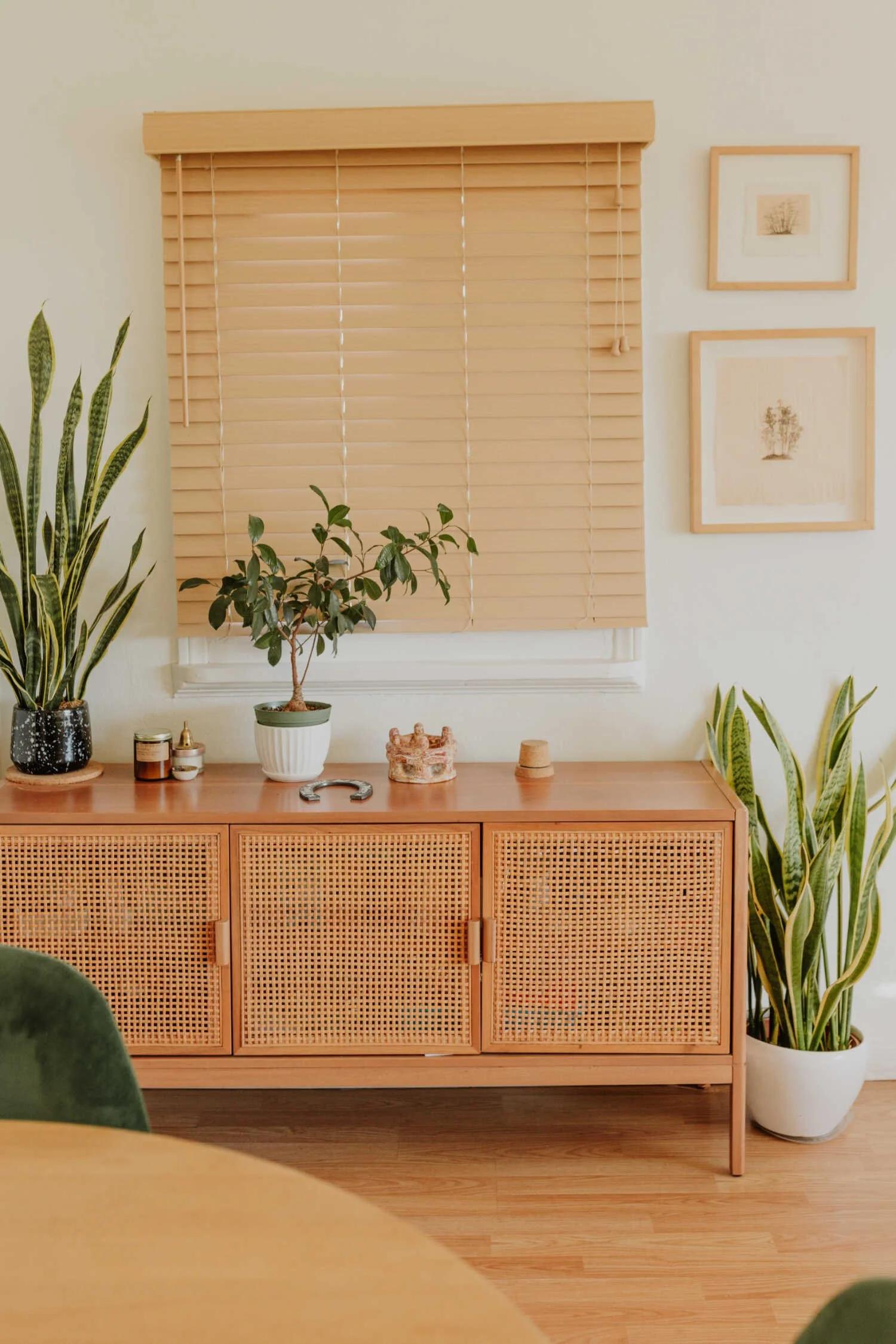
Glass coffee tables may look elegant, but they're rarely ideal for families with young children.
Instead, choose:
Wood coffee tables
Rounded edges
Upholstered ottomans
Storage coffee tables
These options are safer while still looking sophisticated.
3. Decorate With Rugs
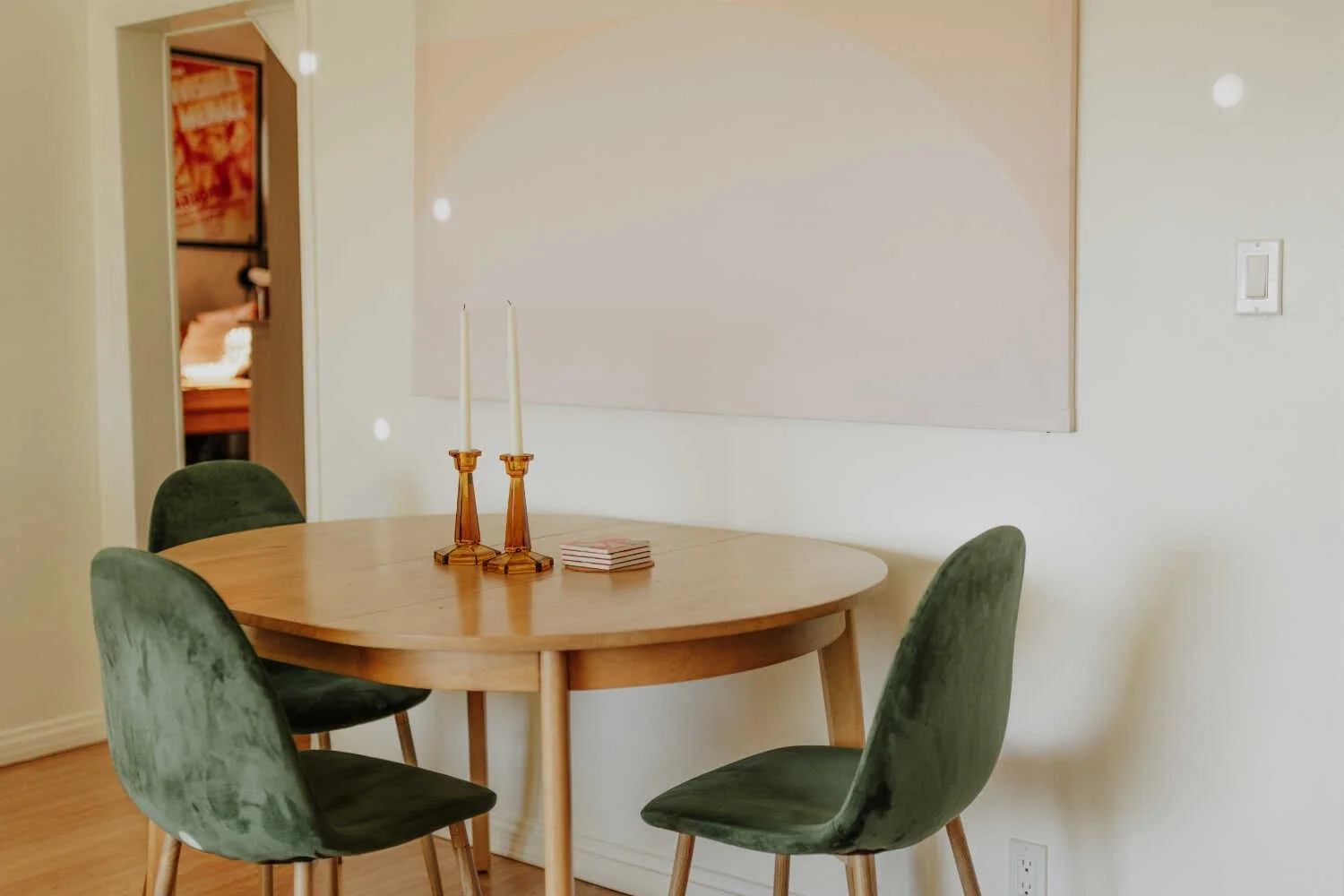
Area rugs help protect hardwood, tile, and laminate floors from scratches, spills, dropped toys, and the everyday wear that comes with active kids.
Extra large rugs for large rooms also help define family gathering spaces while providing a soft, comfortable surface for babies to crawl, toddlers to play, and kids to spread out with toys or games.
A playmat for modern homes which features neutral colors and stylish patterns can also blend seamlessly with your décor, offering a soft, cushioned play area that looks more like a designer rug than traditional children's flooring.
Finally, washable rugs have become incredibly popular because they're designed for real family life. A beautiful area rug doesn't have to be ruined by everyday messes.
Rugs are perfect for:
Living rooms
Playrooms
Dining rooms
Kids' bedrooms
Entryways
Choose neutral colors or subtle patterns that hide dirt between washes.
4. Pick Rounded Furniture
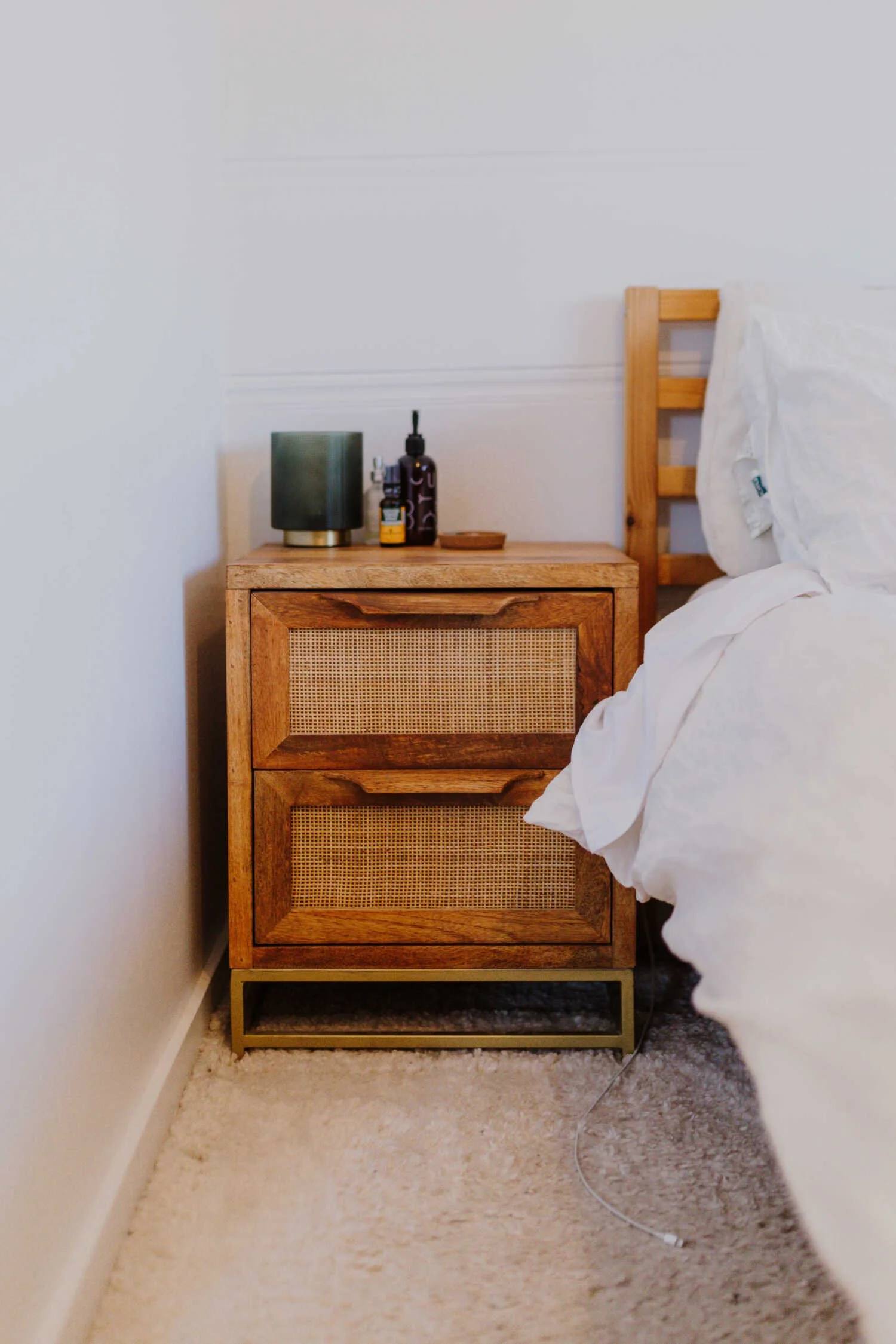
Soft edges instantly make a home safer.
Instead of sharp corners, consider:
Round side tables
Oval dining tables
Curved sofas
Circular ottomans
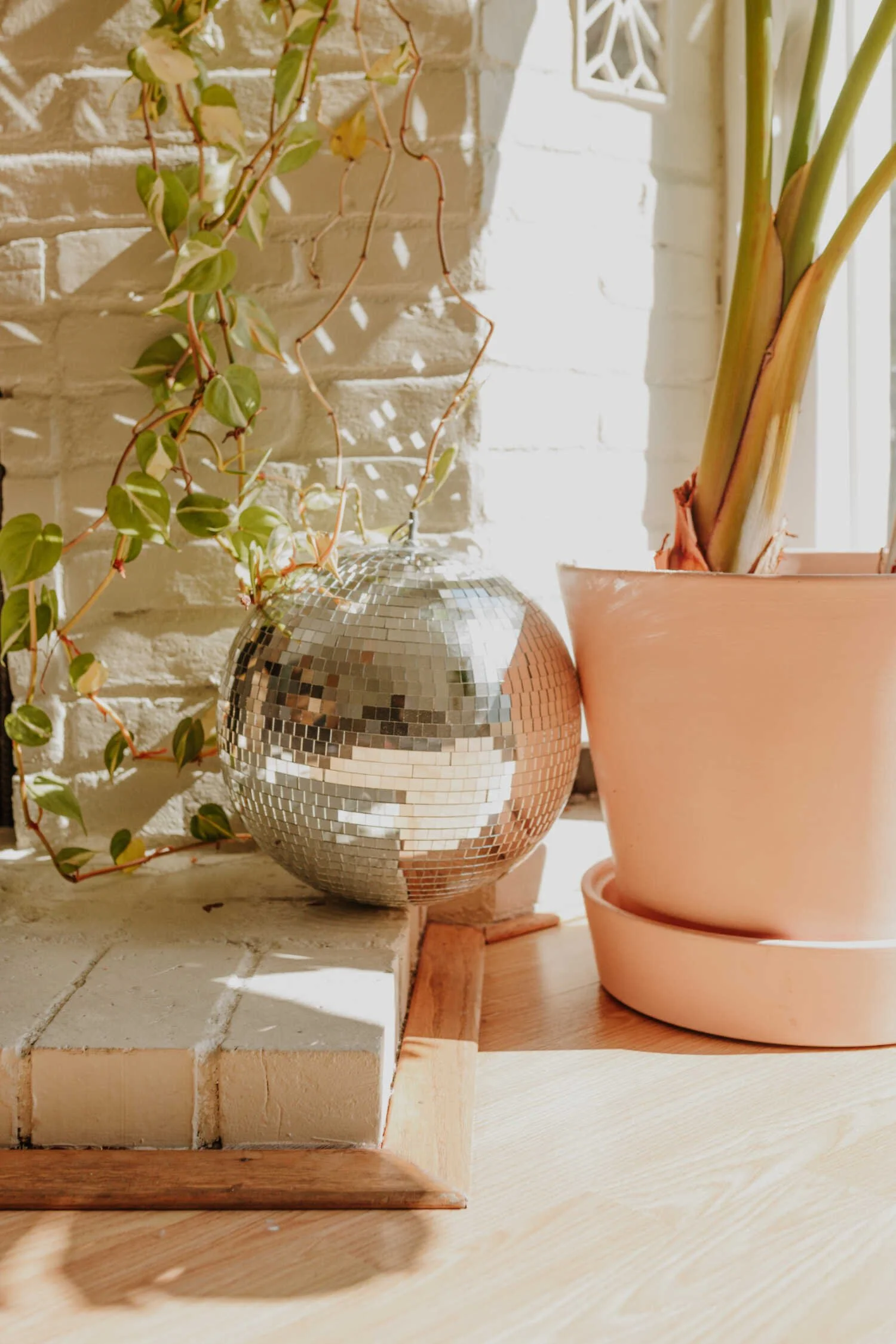
Rounded furniture also creates a softer, more welcoming design style.
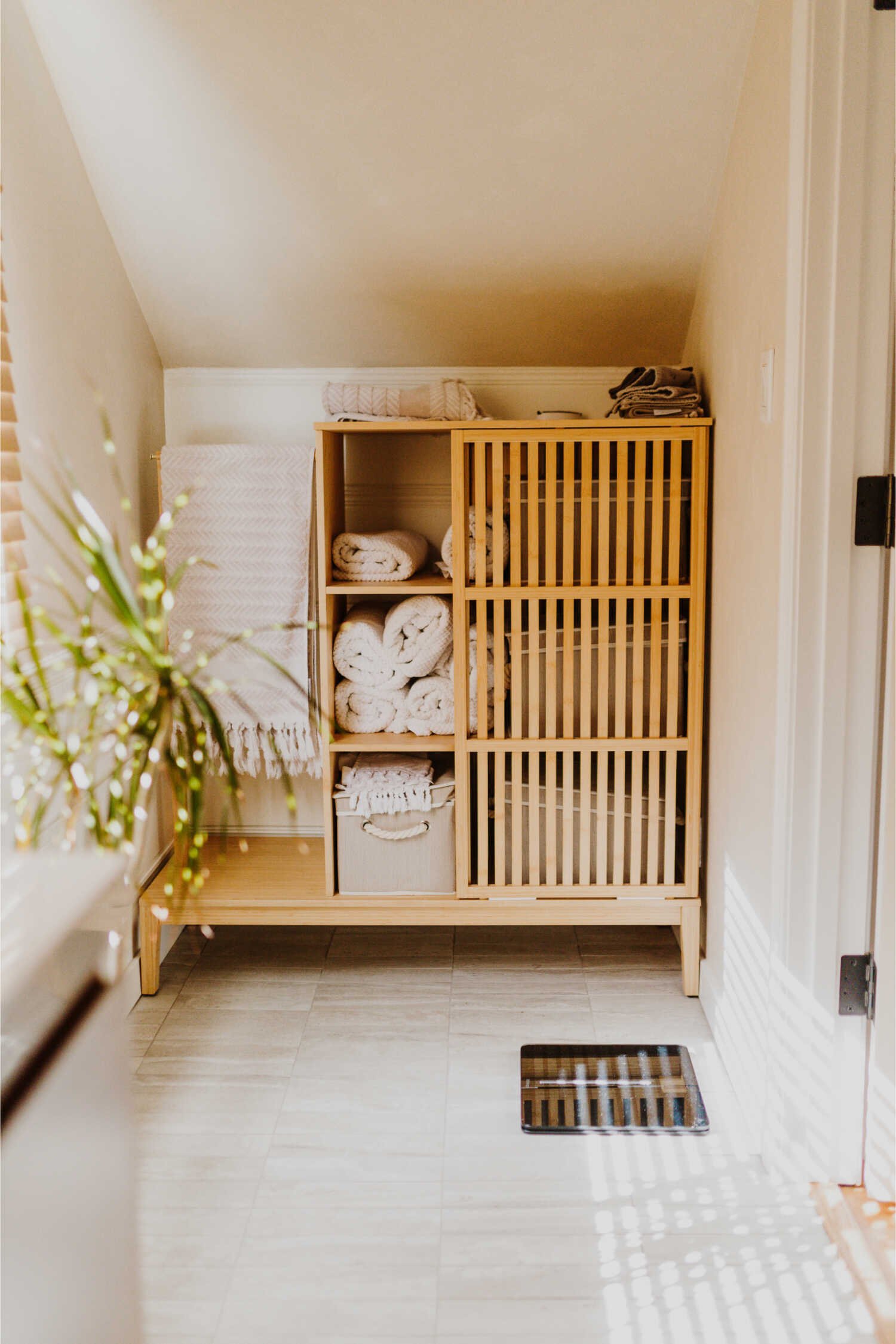
5. Use Decorative Storage Baskets
Every family needs toy storage.
Instead of plastic bins, use woven baskets that blend into your décor.
They're perfect for storing:
Blocks
Stuffed animals
Blankets
Books
Art supplies
When guests arrive, cleanup takes only a few minutes.
6. Keep Decorative Accessories Higher
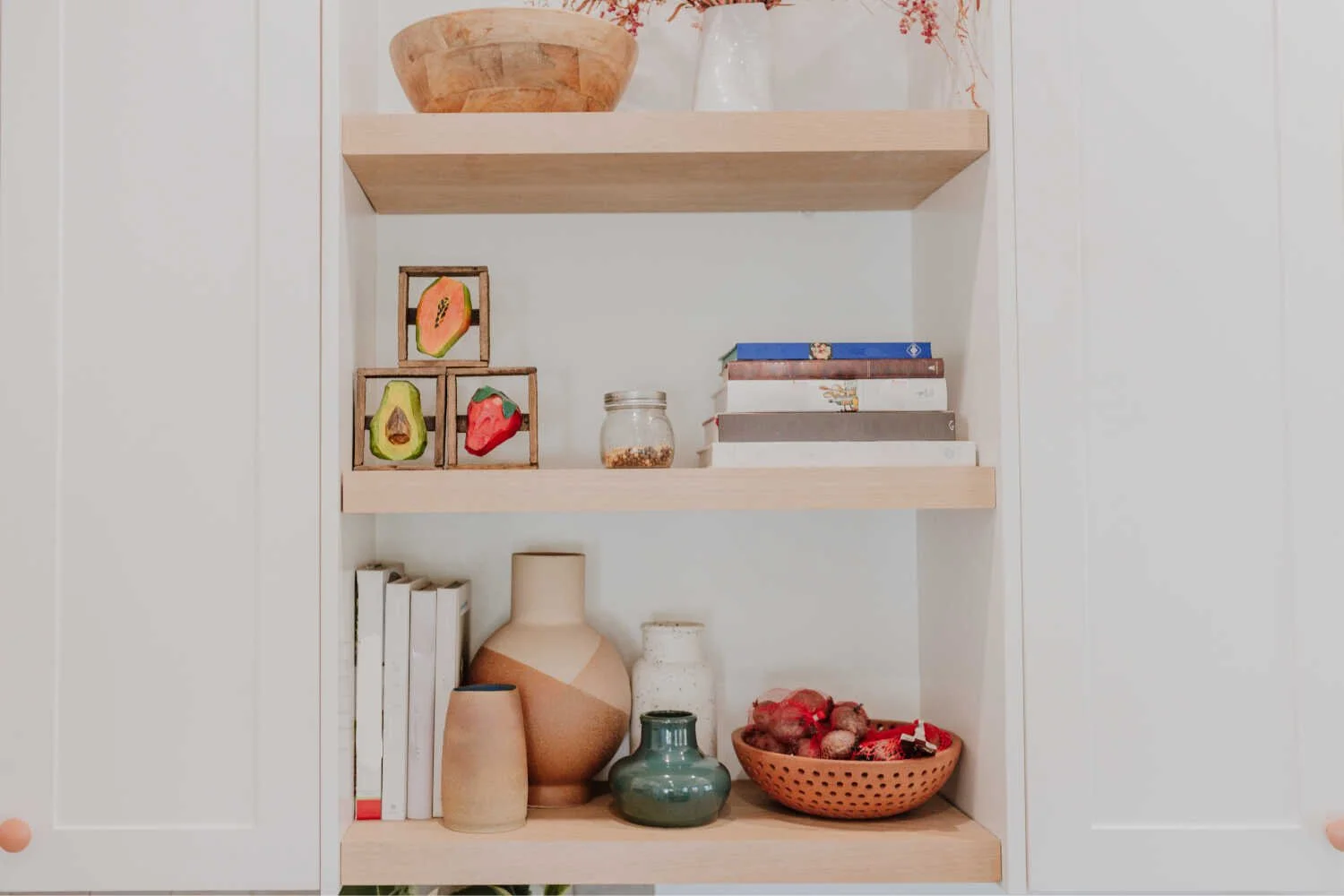
There's no rule that says every decorative item has to sit on a coffee table.
Move breakable décor to:
Floating shelves
Bookcases
Fireplace mantels
Wall shelves
Your favorite pieces stay safe while still adding personality to your home.
7. Choose Washable Slipcovers
Slipcovered furniture has become one of the easiest ways to combine style with practicality.
Many covers can be removed and washed whenever spills happen.
Neutral colors like cream, oatmeal, and light gray still work beautifully because the covers are easy to clean.
8. Create a Reading Corner
Kids naturally spend more time reading when books are easy to reach.
Design a cozy corner with:
Floor cushions
A small bookshelf
Soft lighting
Cozy blankets
This creates a relaxing space without overwhelming the room.
9. Add Closed Storage Cabinets
Not every toy needs to stay visible. Cabinets with doors instantly reduce visual clutter.
Store inside:
Games
Puzzles
Craft supplies
Electronics
Building toys
The room immediately feels calmer.
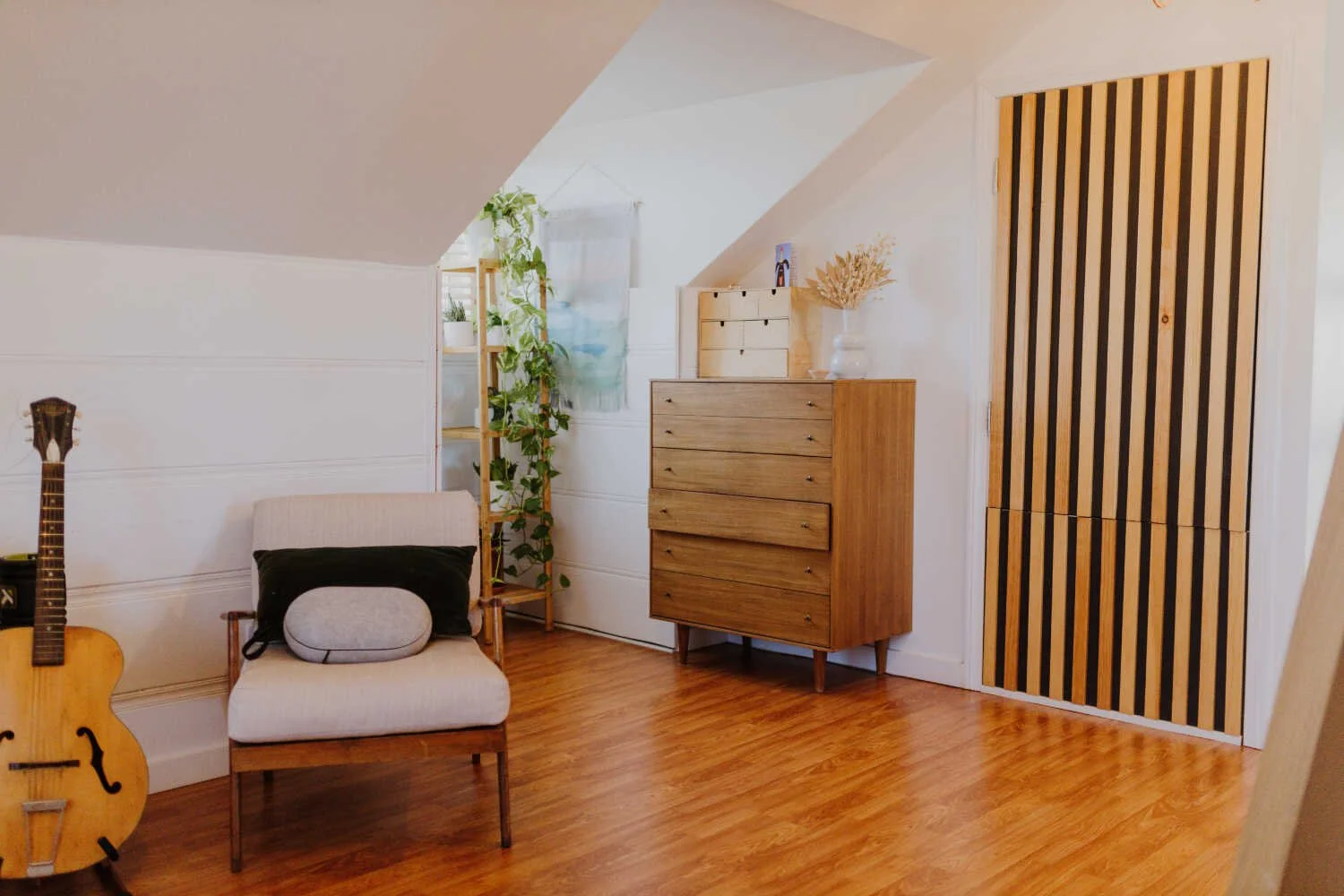
10. Decorate With Family Photos
Family photos make a home feel warm and personal.
Instead of delicate tabletop frames, consider:
Gallery walls
Canvas prints
Large framed photos
Acrylic wall art
These options are both stylish and safer around children.
11. Invest in Durable Dining Chairs
Dining chairs get more wear than almost any other piece of furniture.
Look for materials like:
Wood
Performance upholstery
Wipeable faux leather
Avoid delicate fabrics that stain easily.
12. Use Wall Hooks at Kid Height
Adding hooks where children can reach them encourages independence.
Use them for:
Backpacks
Jackets
Hats
Dress-up costumes
It also keeps clutter off the floor.
13. Choose Storage Ottomans
Storage ottomans do double duty.
They provide:
Extra seating
Hidden toy storage
Footrests
Coffee table alternatives
They're one of the easiest ways to maximize space.
14. Keep Colors Neutral
Neutral walls create flexibility.
Soft whites, warm beige, greige, sage green, and light taupe work well with changing children's interests.
Instead of repainting every few years, update accessories and bedding as your kids grow.
15. Add Texture Instead of Clutter
A stylish home doesn't need dozens of decorative accessories.
Instead, create interest with:
Linen curtains
Knit throws
Wood accents
Natural baskets
Textured pillows
The space feels layered without becoming crowded.
16. Designate One Toy Zone
Rather than letting toys spread throughout the house, create one primary play area.
This could be:
A corner of the living room
A playroom
A loft
A finished basement
Keeping toys centralized makes daily cleanup much easier.
17. Use Durable Paint Finishes
Walls inevitably get fingerprints.
Choose washable paint finishes like satin or eggshell in high-traffic areas.
They wipe clean much better than flat paint.
18. Display Kids' Artwork Beautifully
Children love seeing their artwork displayed.
Create a rotating gallery using:
Matching frames
Clipboards
Wire display systems
Magnetic boards
The artwork becomes part of your home's décor.
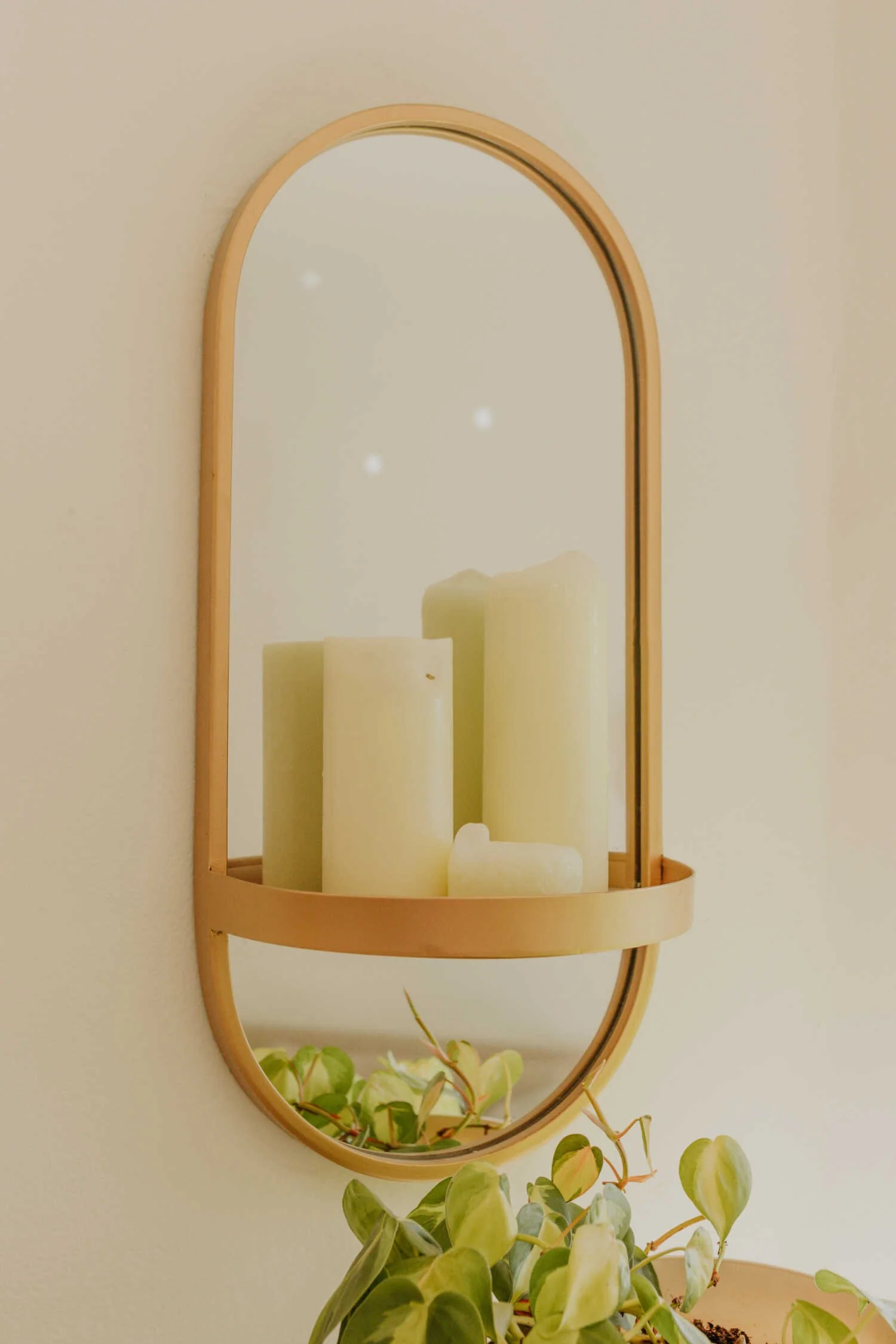
19. Bring Nature Indoors Carefully
Plants add warmth to every room.
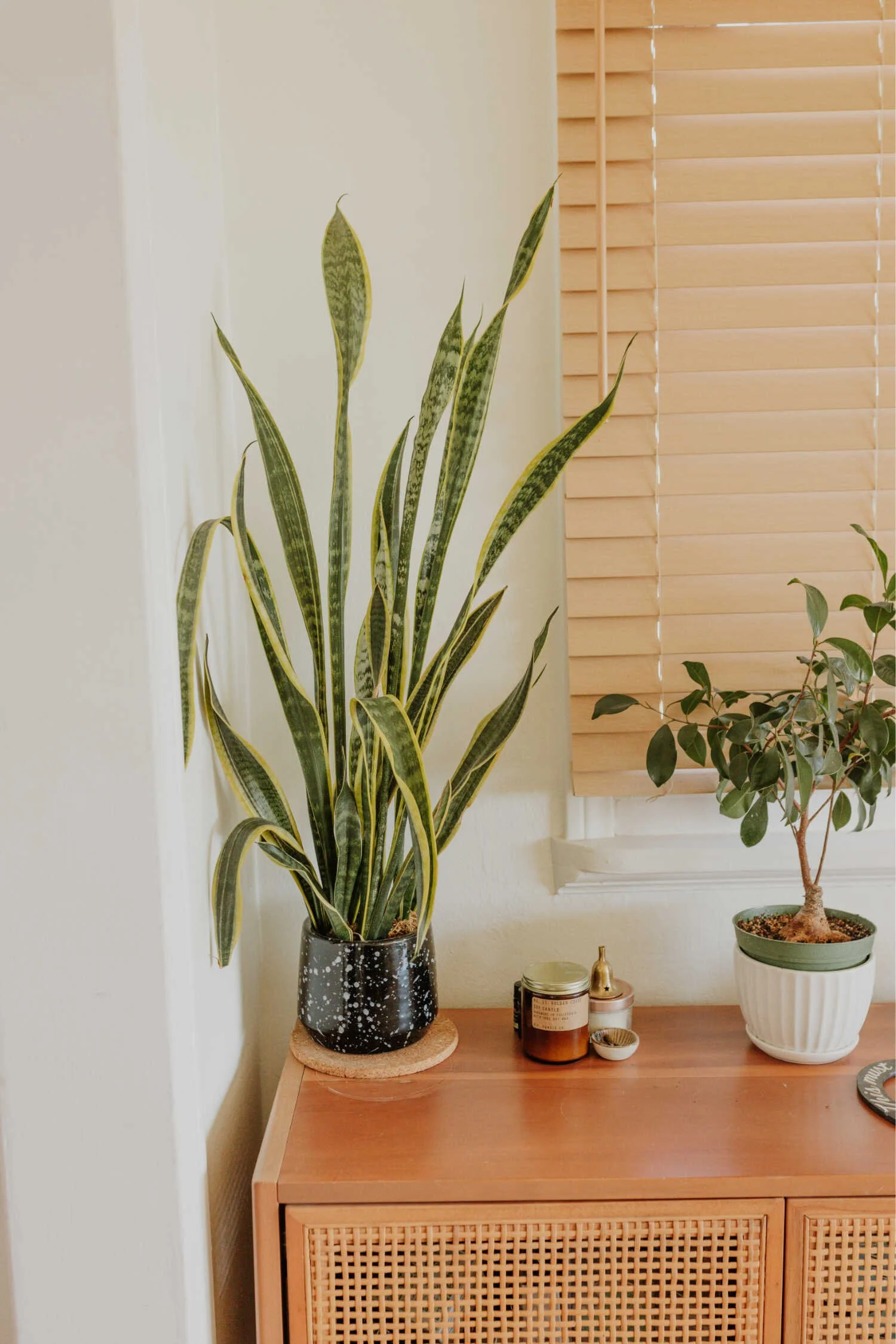
If you have young children, choose non-toxic houseplants and place delicate varieties out of reach.
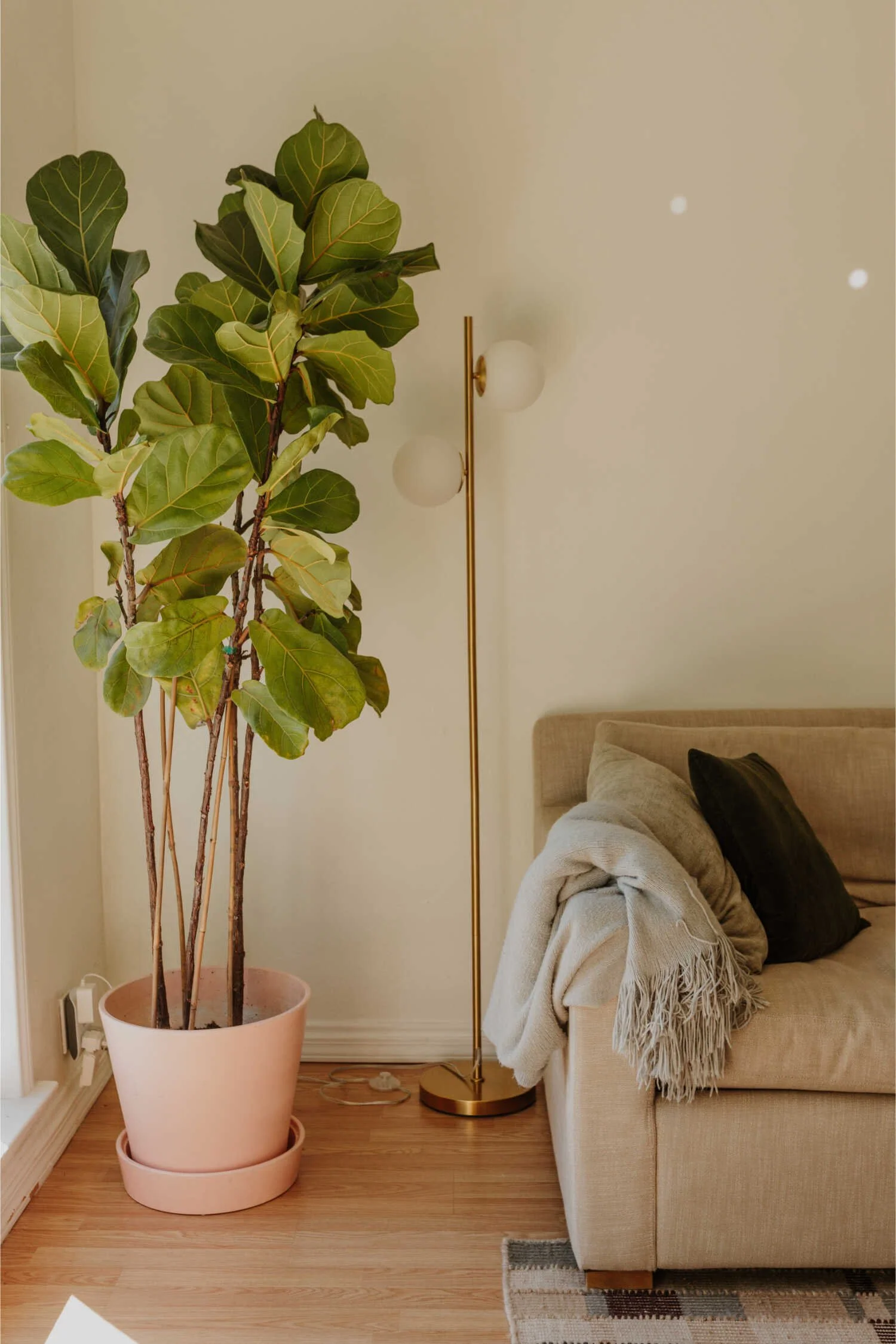
Large floor plants can also help soften corners and make rooms feel finished.
20. Choose Easy-Clean Window Treatments
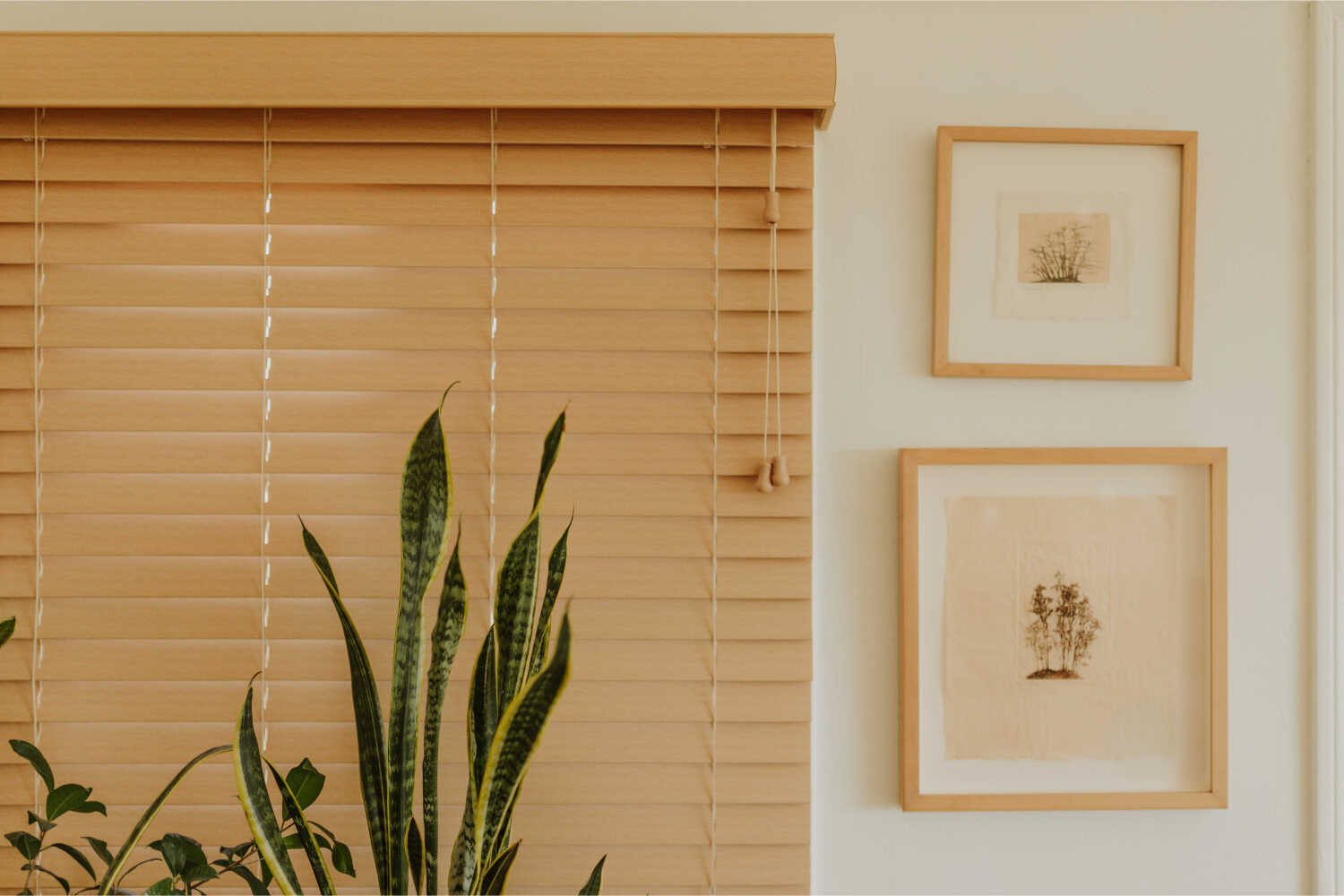
Long, delicate curtains aren't always practical.
Instead, consider:
Machine washable curtains
Faux wood blinds
Roman shades
Durable woven shades
They're easier to maintain while still looking elegant.
21. Layer Soft Lighting
Harsh overhead lighting rarely creates a cozy atmosphere.
Instead, use multiple light sources such as:
Table lamps
Floor lamps
Wall sconces
Warm lighting makes family spaces feel inviting during movie nights, reading time, or quiet evenings together.
22. Use Furniture That Grows With Your Kids
Whenever possible, buy furniture designed to last through multiple stages of childhood.
Examples include:
Adjustable desks
Convertible beds
Expandable bookshelves
Timeless dressers
These pieces save money over time and reduce the need for frequent redecorating.
23. Keep Everyday Items Within Reach
When kids can access the things they use every day, they're more likely to develop independence.
Create kid-friendly zones for:
Water bottles
Snacks
School supplies
Books
Shoes
Simple organization systems make routines easier for everyone.
24. Mix Adult Style With Kid-Friendly Pieces
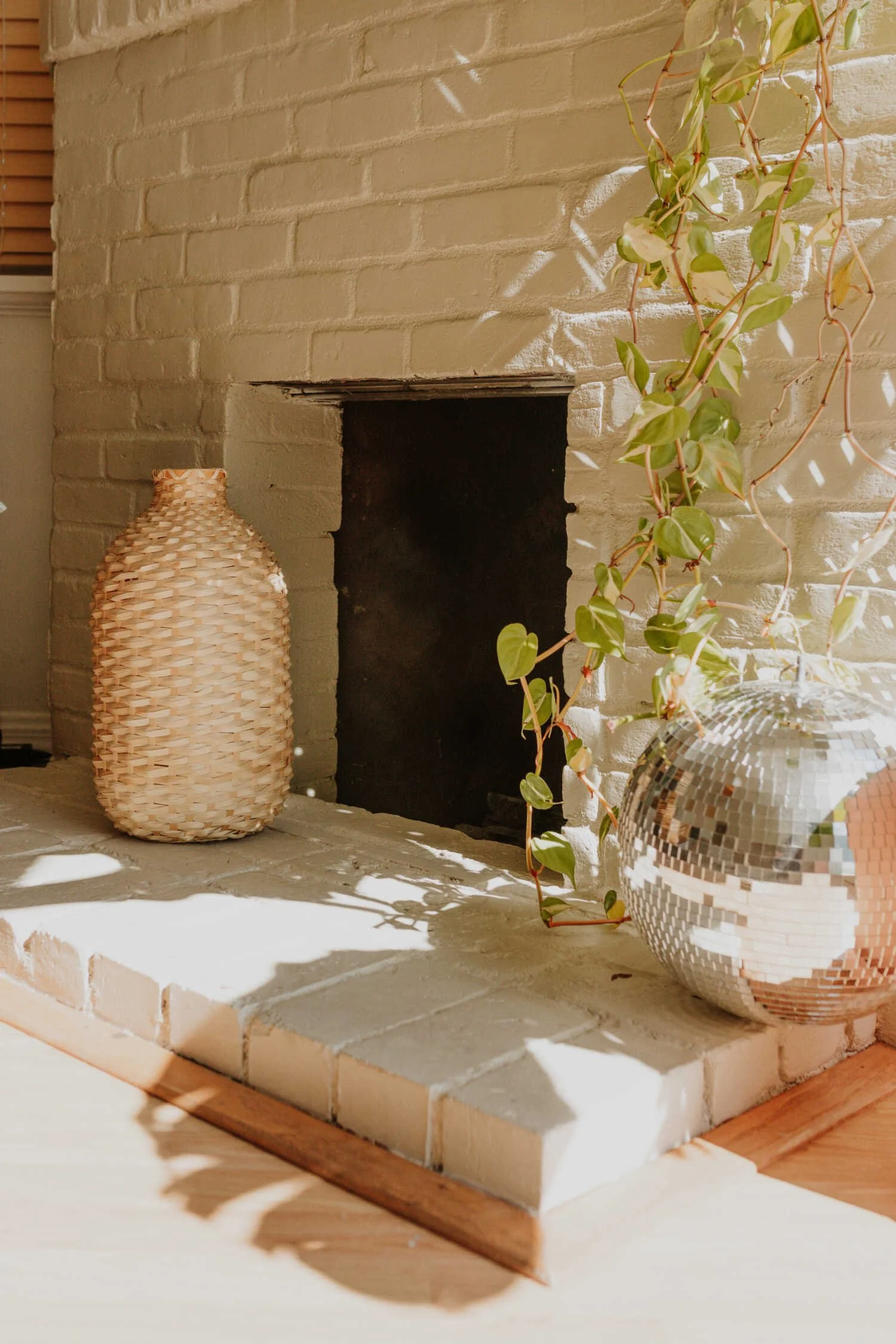
Not everything in your home needs to revolve around children.
Blend sophisticated furniture with playful accents like:
Patterned pillows
Colorful books
Fun artwork
Cozy bean bags
The result feels balanced rather than overly themed.
25. Prioritize Comfort Over Perfection
The most beautiful family homes aren't perfect.
They're comfortable.
They're lived in.
They're filled with memories, movie nights, birthday celebrations, homework sessions, and everyday moments that make a house feel like home.
When decorating with children in mind, don't worry about creating a picture-perfect space. Focus on designing rooms where everyone enjoys spending time together.
A cozy home that welcomes family life will always feel more inviting than one that's too precious to enjoy.
Frequently Asked Questions About Kid-Friendly Home Decor
What colors work best in a family-friendly home?
Warm neutrals like soft white, beige, greige, light taupe, and muted sage green are excellent choices. These colors hide wear better than stark white and provide a timeless backdrop that works as your children's tastes change.
How can I make my living room kid-friendly without sacrificing style?
Choose durable furniture, washable rugs, hidden storage, rounded tables, and decorative baskets. Keep breakable décor on higher shelves and limit clutter so the room feels polished while remaining practical for everyday family life.
What type of furniture is best for homes with kids?
Furniture made from solid wood, performance fabrics, washable slipcovers, and durable upholstery tends to hold up well. Rounded edges and multifunctional pieces like storage ottomans also make excellent family-friendly choices.
Is it possible to have a beautiful home with toddlers?
Absolutely. Many of today's most stylish homes are designed with children in mind. The key is selecting durable materials, planning smart storage, and decorating with pieces that can handle everyday life without sacrificing your personal style.
Final Thoughts
Designing a home for a growing family doesn't mean giving up the style you love. The best kid-friendly homes strike a balance between beauty, comfort, and practicality. By choosing durable materials, incorporating smart storage, and focusing on timeless design, you can create spaces that work for every stage of childhood.
At the end of the day, a stylish home isn't one that's spotless. It's one that supports the way your family lives, grows, and makes memories together. The most meaningful homes are the ones where kids feel free to play, parents feel relaxed, and everyone feels welcome.