
Why More California Parents Are Prioritizing Water Safety Year-Round
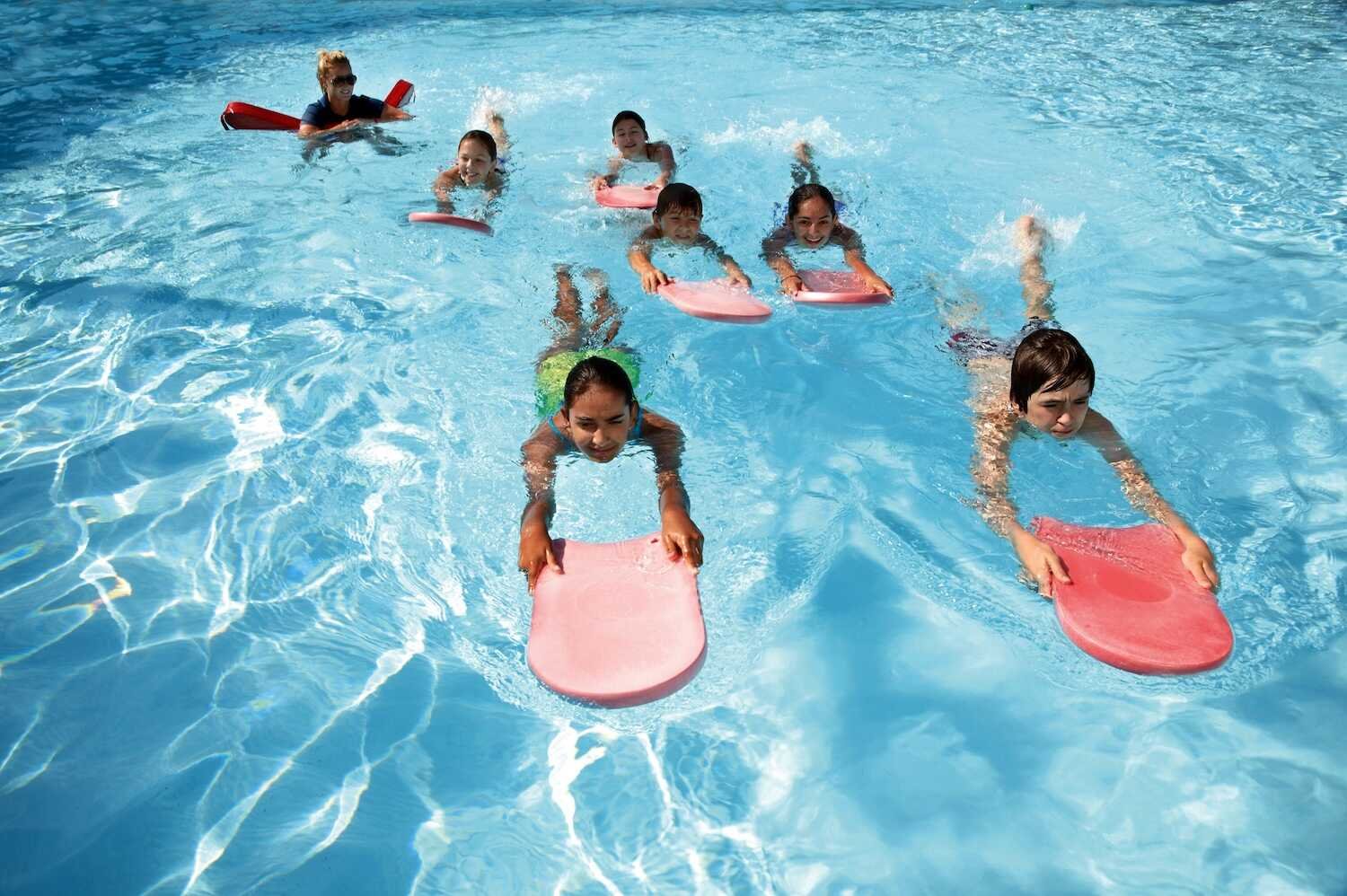
For families living in California, water is rarely far from daily life. Backyard pools, coastal beaches, neighborhood splash pads, and weekend lake trips all factor into how kids grow up here. And because the climate cooperates well past summer, parents are increasingly realizing that water safety isn't a seasonal concern. It's a year-round one.
This shift in mindset has been building for a while. What used to be a June-through-August focus on pool rules and floaties has gradually become a continuous part of how California families approach raising their kids. The reasons are practical, but they're also cultural.
A Climate That Doesn't Pause
In much of California, swimming weather stretches from spring through late autumn, and heated pools and indoor facilities make winter sessions perfectly comfortable. That extended exposure means children encounter water far more often than kids in colder climates do. Whether it's a Saturday at a friend's pool in October or a Thanksgiving trip to Palm Springs, opportunities for a child to be near water happen all year.
Parents who once treated swim lessons as a summer checkbox are now thinking about water competence the same way they think about reading or math: ongoing, foundational, and built through consistent practice rather than seasonal bursts.
Skill Building That Lasts Beyond a Season
Consistency is the biggest reason families have moved toward year-round instruction. Swim ability is a perishable skill, especially for younger children. Without regular practice, a four-year-old who could happily kick across the shallow end in August often loses confidence by the following May.
Programs like Nemo Swim lessons for kids have grown in popularity precisely because they offer a steady, structured environment where children build comfort and technique over months rather than weeks. Continuous attendance means kids retain what they've learned, progress at their own pace, and develop the kind of muscle memory that genuinely sticks. For families in the San Jose area in particular, the option to keep lessons going through cooler months is increasingly seen as a basic part of childhood, not a luxury.
There's also a confidence factor that parents notice quickly. Children who swim regularly tend to handle unfamiliar water situations with more composure, whether it's a hotel pool, a friend's birthday party, or a class field trip.
Preparing for the Moments You Hope Never Come
Of course, swim skill is only one layer of water safety. The other layer, and one that more parents are actively investing in, is what happens when something goes wrong.
Drowning is famously fast and famously quiet. It rarely looks like the dramatic struggle most adults imagine. By the time someone notices, seconds matter enormously, and the gap between a calm rescue and a tragedy often comes down to whether the nearest adult knows what to do.
That awareness is why CPR trainings have become a quiet but consistent priority for California parents. More moms, dads, grandparents, and even older siblings are signing up for certification courses, refreshers, and pediatric-specific sessions. It's no longer something only lifeguards and teachers do. It's becoming a normal part of parenting, especially in households with pools, frequent beach trips, or kids who spend time at other people's homes.
The peace of mind matters too. Parents who've completed training often describe a noticeable shift in how they experience pool days. The vigilance is still there, but it sits alongside competence rather than worry.
Making Safety Part of the Family Rhythm
What's interesting about this shift is how integrated it's become. Rather than feeling like a chore added to an already packed family calendar, year-round water safety is folding into routines naturally. Swim lessons sit alongside soccer practice and music classes. CPR refreshers happen the same weekend as a flu shot or an annual checkup.
Parents are also having ongoing conversations with their kids about water rules in age-appropriate ways. Rather than a single beach-day briefing, the rules come up casually and often: don't swim alone, always ask an adult, recognize when you're tired, respect deep water. These small, repeated conversations build awareness in a way that one-off lectures never could.
Looking Ahead
California's relationship with water isn't going to change. If anything, with hotter summers, longer warm seasons, and a population that gravitates toward coastlines and pools, family time around water is only going to grow.
What's changing is how parents are preparing for it. Year-round attention to water safety reflects a broader trend in modern parenting: less reactive, more thoughtful, and built around the understanding that the most valuable skills are the ones kids carry with them every season of the year.