
Why Backpacking Is the Perfect Way to Meet People From Different Cultures
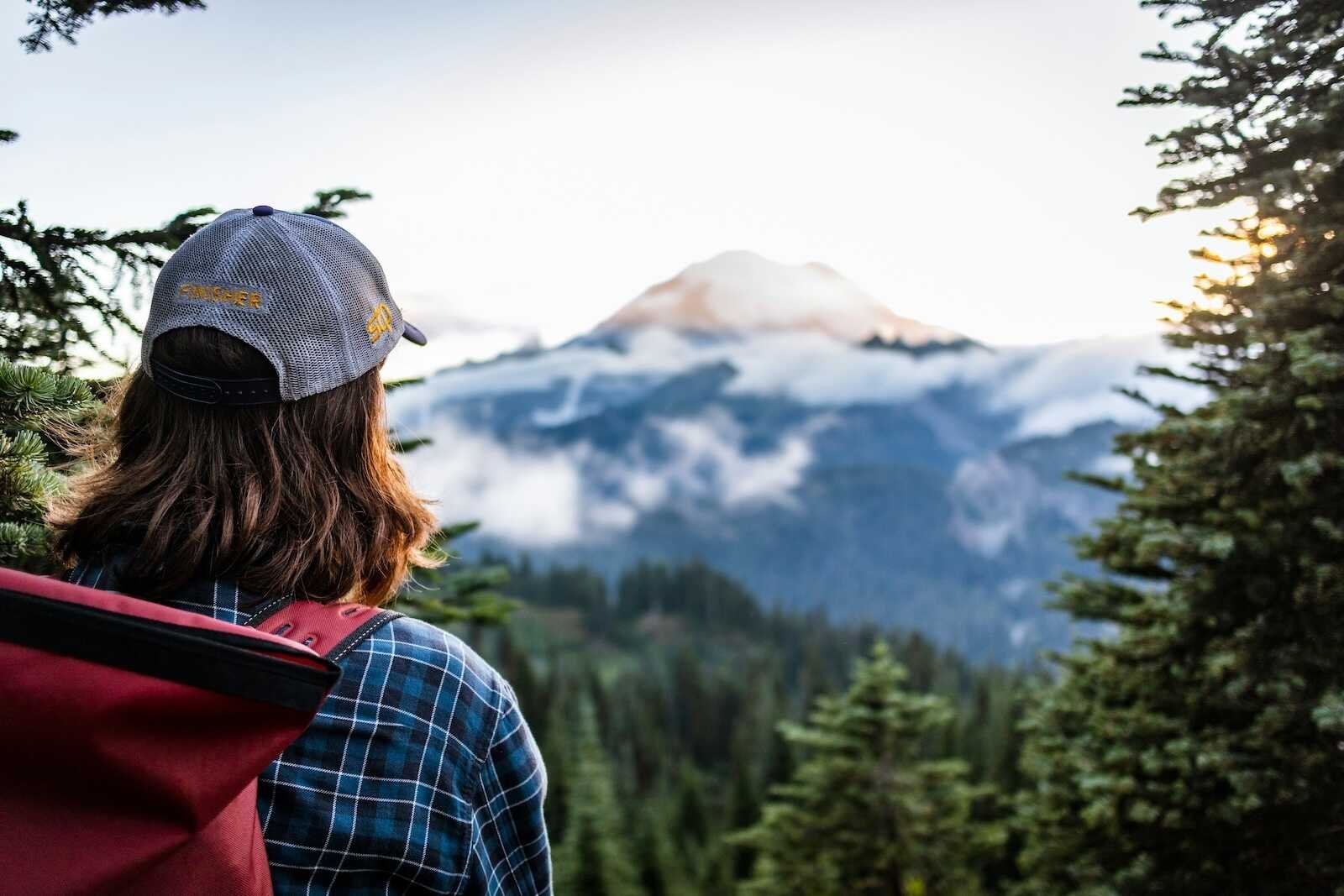
Backpacking throws you into the world with a light pack and a big curiosity. It is a type of travel that strips away many barriers: fixed schedules, heavy luggage, expensive hotels. What remains is time, openness, and the chance to meet others. This creates a special setting where cultural exchange can happen naturally.
Shared journeys, shared stories
When you walk into a dorm room, a campsite, or a local guesthouse, you enter a small social bubble. People are often travelling solo, or in tiny groups, and that changes the rules. Conversation starts easily: “Where are you headed?” “Have you tried the local food?” A question. A laugh. Plans hatched over a map. These are low-stakes social openings that grow into real exchanges.
Hostels and community-oriented accommodations make this even easier. Many travellers choose these places not only for the price but for the people. In fact, over 50% of customers at Hostelworld report travelling alone—so meeting others becomes part of the trip.
Social infrastructure: where strangers become friends
Hostels, campsites, walking tours, volunteer projects, and shared transport all act like social glue. Shared kitchens, communal tables, morning coffee corners — small, everyday spaces — regularly produce chance encounters. Organized social events (pub crawls, city walks, language exchanges) give structure to meeting people. But it’s the informal moments — a late-night conversation about music, a sunrise hike shared with a stranger — that turn acquaintances into friends.
And this isn’t just an anecdote. Recent research into solo travel shows that many travellers actively look for connection: a large share say they seek companionship and often form meaningful friendships on the road.
Why backpackers talk across cultures
People aren't forced to connect with strangers. If you're so inclined, you can open the US random cam chat and start talking right away. Tens of thousands of people are looking for conversation partners on CallMeChat, and this can be a great start to overcoming isolation. But one doesn't exclude the other.
There are three big reasons backpackers actually listen to each other:
Curiosity is already packed. Most backpackers choose slow, flexible travel. They have time and willingness to ask questions and to listen to answers.
Shared vulnerability. Out of one’s comfort zone, people are more open. A little vulnerability speeds trust.
Common goals. Many backpackers want similar things: a good meal, a meaningful view, an honest conversation. Common aims create instant rapport.
Combine curiosity, vulnerability, and shared aims, and you get deep, authentic conversations about everyday life, politics, family, food — all the things that reveal cultural nuances.
Cultural exchange that goes beyond sightseeing
Meeting someone from another culture while backpacking can be educational in a way a guided tour rarely is. Instead of a script, you get a personal story. Instead of postcards, you get dinner invitations. These interactions allow travellers to:
Taste homemade meals and learn recipes.
Hear local jokes and sayings that don’t translate in guidebooks.
Attend small community events — weddings, markets, sports matches.
Share perspectives on home countries and discover unexpected similarities.
Those moments change how you think about places and people. They turn foreignness into familiarity.
From brief encounters to long-term friendships
Not every meeting lasts. But many do. Surveys and industry reports suggest that a strong portion of travellers form lasting connections on the road. For example, a study found that a majority of solo travellers actively seek connection and that many actually form meaningful friendships while travelling.
Another survey highlights how travel itself can create lifelong bonds: a notable percentage of respondents reported meeting close friends while travelling.
Numbers aside, the mechanism is clear: shared experiences compress time. You might hike, laugh, argue, and eat together in a few days — the intensity of those shared moments often accelerates closeness.
Practical habits that help you meet people
If you want more cultural exchange while backpacking, try these simple strategies:
Stay where people gather. Choose hostels, guesthouses, or shared homestays.
Join group activities. Walks, cooking classes, local tours — they naturally bring varied people together.
Share meals. Invite others to join you; cook together in a hostel kitchen.
Ask questions that invite stories, not just facts. “What’s a normal day for you at home?” beats “Where are you from?”
Be curious, but respectful. Learn a few words in the local language. Listen more than you speak.
These are small moves that open doors.
How cultural conversations change you
Conversations on the road have ripple effects. They teach empathy. They reveal different ways to solve the same human problems. They expose you to new rhythms of life and, sometimes, to hard truths. You may find your assumptions challenged. That is growth. It is also the core benefit of cultural exchange: a broader frame of reference.
The role of digital tools
Apps and social platforms can enhance in-person meetings. They help coordinate meetups and find events. But real exchange still depends on being present. An itinerary filled with screens will limit chances to meet people. Balance matters: use tools to find community, then put the phone away.
A quick reality check
Backpacking doesn’t magically guarantee deep cultural insight. It helps create opportunities, but outcomes depend on people and context. Not every hostel is social. Not every group clicks. Safety, language barriers, and personal comfort all shape the experience. Still, the odds are favorable: many people report forming meaningful friendships while backpacking or travelling solo.
Final thought: travel with openness
Backpacking invites you to move slowly enough to meet people and curious enough to learn from them. It builds bridges — sometimes short, sometimes long — across cultures. If you pack openness alongside your gear, you will likely leave with more than photos and souvenirs: you’ll leave with stories, new perspectives, and perhaps friends spread across the globe.
Travel light. Talk often. Listen always. The world is waiting, and other people are the best maps.