
When a Simple Drive Turns Complicated: Understanding Responsibility After a Crash
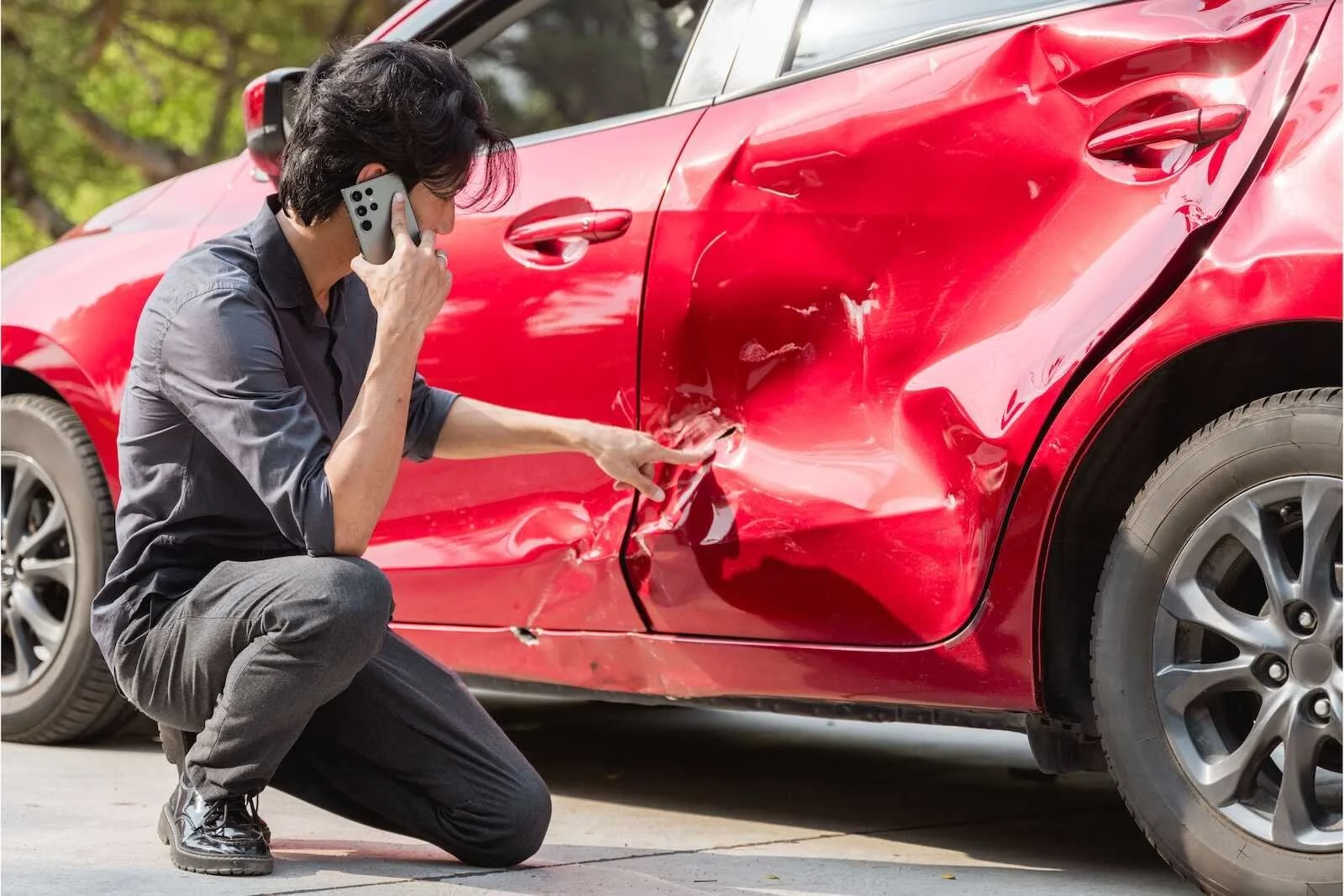
When an Ordinary Day Changes in Seconds
It happens in the middle of completely ordinary moments. You are inching forward in the school pickup line. You are sitting in traffic on the way to a weekend getaway. You are slowing down at a red light with groceries in the trunk and your mind already on dinner.
Then it happens. A sudden jolt from behind. The sound of metal against metal. That split second of confusion before you fully understand what went wrong.
Rear-impact collisions are among the most common types of crashes on the road. Because they happen so frequently, many people assume the situation is simple. One car hits another from behind, and responsibility seems obvious.
Once drivers step out, exchange information, and assess the damage, a pressing question remains: who is actually responsible?
How fault is determined can influence medical bills, insurance rates, missed work, and the overall stress that follows a crash. While many believe the answer is automatic, the reality depends on specific details.
The Assumption Most Drivers Make
Many of us grow up hearing the same rule: if you hit someone from behind, you are at fault. Drivers are expected to maintain a safe following distance and remain attentive to changing traffic conditions.
In many situations, the trailing driver is presumed responsible. Still, understanding who is at fault in rear-end accidents requires looking beyond that initial assumption.
Fault is typically based on negligence, meaning a failure to use reasonable care. If a driver is distracted, speeding, or following too closely, responsibility may be clear. Yet not every rear-impact collision unfolds in such a straightforward way.
Traffic flow, road conditions, vehicle maintenance, and the actions of both drivers can influence the liability assessment. While the rear driver is often found responsible, there are situations where the circumstances tell a more detailed story.
Recognizing that responsibility is determined by facts rather than position alone can help families avoid costly misunderstandings.
When the Story Is Not So Simple
Imagine traffic creeping along a busy highway. Cars move forward a few feet, then stop again. A driver glances down briefly just as the vehicle ahead brakes suddenly. A collision follows.
Now consider a driver who stops abruptly in moving traffic to make an unexpected turn without signaling. The vehicle behind has little time to react. From the outside, both crashes may look similar, yet the contributing factors differ.
There are situations where the lead driver may share responsibility. Brake lights that are not functioning properly reduce warning time. Reversing unexpectedly or stopping in an active lane without cause can also affect fault assessment. Intentional brake checking may further complicate the assessment.
Chain-reaction crashes introduce additional complexity. In collisions involving multiple vehicles, investigators examine the sequence of impacts. One driver may have triggered the initial crash, while another may have followed too closely—each vehicle’s position and timing matter.
Weather and road conditions also play a role. Rain, limited visibility, or debris may influence how much time a driver has to respond. Determining fault requires evaluating whether each person acted reasonably given the circumstances.
Responsibility in rear-impact accidents is based on behavior and evidence, not simply on which car was in front.
How Responsibility Is Actually Decided
After a rear-impact crash, insurance adjusters and investigators review available evidence. Police reports often document road conditions, vehicle placement, visible damage, and driver statements. Skid marks, debris patterns, and points of impact help reconstruct the event.
Photographs from the scene can clarify whether one vehicle was pushed into another or whether multiple impacts occurred. Witness accounts sometimes provide insight into sudden stops, lack of signals, or distracted driving.
In many states, fault may be shared under comparative negligence laws, which allocate responsibility to drivers based on their level of care. If one party is found partially responsible, financial recovery may be adjusted to reflect that percentage.
Insurance companies also evaluate whether drivers maintained an appropriate following distance, accounted for weather conditions, and kept their vehicles in safe operating condition. These factors shape the final determination.
Fault is assigned through documentation and analysis rather than assumption.
Why This Matters for Families
In the days following a collision, daily responsibilities continue. School schedules, work commitments, and household routines do not pause. At the same time, families may be managing vehicle repairs, medical appointments, and insurance conversations.
The outcome of a fault determination can affect insurance premiums, repair costs, and medical expense coverage. Even partial responsibility may reduce the amount recovered.
Some injuries, including soft-tissue damage, may not fully manifest for hours or days. When responsibility is unclear, uncertainty about coverage can add to the pressure of an already stressful situation.
A clear understanding of how fault is assessed allows families to approach discussions with insurers more confidently. It also reduces the risk of making statements that could later affect a claim.
Preparation often means planning for the unexpected. Knowing how responsibility works in rear-impact accidents is one way to protect financial stability and peace of mind.
What to Do If You Are Hit From Behind
After ensuring everyone is safe and seeking medical attention if necessary, document the scene thoroughly. Take photographs of vehicle positions, visible damage, traffic signals, and surrounding road conditions. If there are witnesses, collect their contact information whenever possible.
Be mindful of what you say in the immediate aftermath. Stress can lead to instinctive apologies or unclear statements. Stick to factual observations when speaking with the other driver or responding officers.
When communicating with insurance representatives, provide accurate information without guessing about details you are unsure of. If responsibility is questioned, having organized documentation and understanding your options can make the process smoother. Preparing in advance for unexpected situations, much like you would when reviewing practical planning tips such as these road trip essentials for families, can make a meaningful difference when real-life challenges arise.
Keep copies of repair estimates, medical records, and written communication related to the incident. Organized records support your position if liability is reviewed later.
Taking calm, deliberate steps after a rear-impact collision helps ensure that responsibility is evaluated fairly and accurately assessed.
Driving with Awareness, Not Fear
Most rear-impact crashes occur during routine drives on familiar roads. Although many assume the rear driver is automatically responsible, fault depends on specific facts, actions, and evidence.
Following distance, sudden braking, vehicle maintenance, and surrounding conditions all influence who is assigned responsibility. Each collision is examined on its own circumstances.
Understanding how fault is determined equips families to respond thoughtfully if the unexpected happens. With awareness and preparation, drivers can move forward with greater confidence and clarity.