
What California Travelers Will Love About a Culture-Filled Trip to Athens
A Familiar Travel Rhythm in a Very Different City
California travelers often appreciate trips built around sunshine, good food, scenic walks, colorful neighborhoods, and a relaxed sense of discovery. A satisfying travel day might include coffee outdoors, a stroll through a historic district, a small local shop, a casual lunch, and a sunset view that makes the destination feel memorable.
Athens offers many of those same pleasures through a very different cultural lens. The city has outdoor cafés, creative neighborhoods, warm evenings, rooftop views, and fresh Mediterranean flavors. It also has ancient ruins woven into daily life, streets shaped by thousands of years of change, and traditions that still influence how people eat, gather, and move through the city.
For visitors arriving from California, Athens can feel both approachable and surprising. Its climate and outdoor rhythm may feel familiar, but its cultural depth makes every walk more meaningful. Around almost every corner, there is a reminder that this city has been a center of politics, philosophy, art, trade, and daily life for centuries.
Why Athens Feels Familiar but Completely Different
A California traveler may recognize the appeal of Athens right away. The city has the kind of outdoor energy that makes places like Santa Barbara, San Diego, Los Angeles, and parts of the Bay Area enjoyable to explore. People linger at cafés, walk between neighborhoods, gather around food, and make time for conversation.
The difference is the historical weight beneath that rhythm. In California, a walking day might lead through Spanish colonial architecture, Gold Rush history, beach culture, murals, or midcentury design. In Athens, a casual walk can pass Byzantine churches, neoclassical buildings, Ottoman traces, ancient ruins, lively markets, and modern street art within a few blocks.
That is why context matters so much here. Athens can be beautiful at first glance, but it becomes more memorable when travelers understand how its layers connect. California visitors who usually connect with a destination through food walks, historic districts, neighborhood exploring, and local storytelling may find that Athens history and culture tours help turn the city from a list of landmarks into a place with context, personality, and depth.
This is especially useful for first-time visitors. Many people arrive with the Acropolis at the top of their list, then treat Athens as a short stop before the islands. A more rewarding approach is to give the city time. Its ancient sites are essential, but its culture also lives in markets, music, family-run restaurants, small museums, public squares, and neighborhoods where old and new sit side by side.

Outdoor Living Comes Naturally in Athens
Athens is a place where daily life often moves into the open air. Cafés place tables along sidewalks. Tavernas stretch into courtyards and squares. Rooftop restaurants offer views across the city toward the Acropolis. Even a simple coffee can become a long pause in the middle of a walking day.
For travelers used to patio brunches, beach-town lunches, farmers markets, and sunset drinks, Athens has an easy rhythm. A morning might begin with Greek coffee or a freddo espresso. The afternoon might include a shaded meal near a neighborhood square. Evening often brings a walk through streets that feel more alive after the heat begins to soften.
This outdoor culture changes how visitors experience history. Athens does not keep culture only behind museum walls. It appears in the shape of a street, the view from a rooftop, the stones beneath a hill, and the way locals gather in public spaces. Some of the best days combine a major landmark with smaller moments that make the city feel lived in.

Neighborhood Wandering Is Part of the Experience
California travelers who enjoy exploring by neighborhood will find Athens especially rewarding. The city reveals itself on foot, one district at a time.
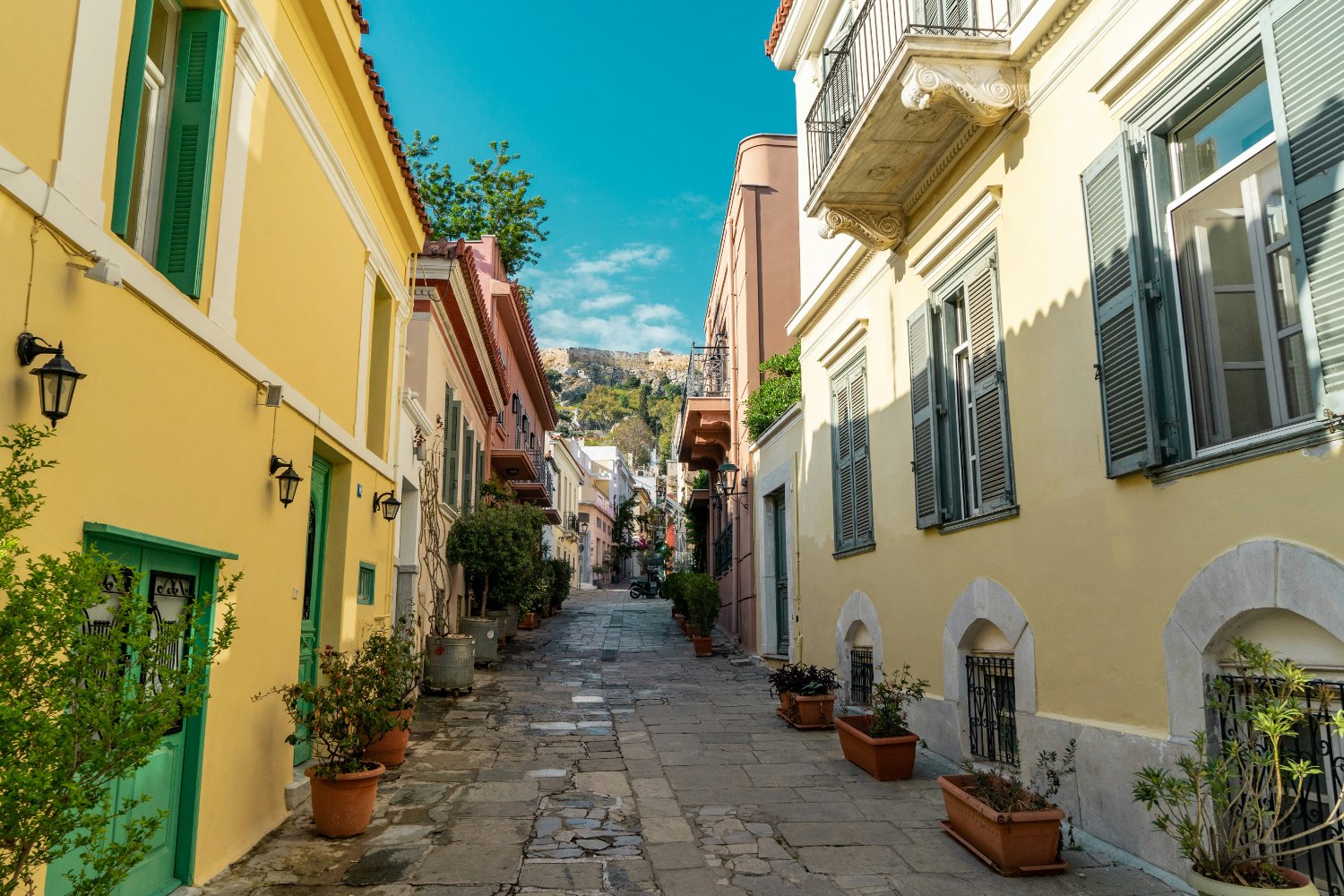
Plaka is often the easiest place to begin. Its narrow lanes, neoclassical houses, small shops, and proximity to ancient sites make it one of the most charming areas for first-time visitors. It can be busy, but the quieter side streets still give travelers a sense of old Athens.
Monastiraki has a livelier pace. Its flea market atmosphere, street vendors, casual food spots, and Acropolis views create a colorful introduction to the city’s daily movement. It is a good area for travelers who like historic surroundings mixed with urban energy.
Psirri brings in a more creative mood. The neighborhood has murals, bars, restaurants, and a slightly edgier feel. California readers who enjoy Venice murals, the Arts District in Los Angeles, or creative blocks in Oakland and Sacramento may appreciate how Psirri uses public art and nightlife to show a modern side of Athens.
Anafiotika, tucked below the Acropolis, feels almost village-like. Whitewashed walls, small stairways, and quiet corners give the area a softer atmosphere. It shows how quickly Athens can shift from intense urban energy to intimate, hidden spaces.
Together, these neighborhoods create a fuller picture of the city. Each one adds a different tone, from historic charm to market activity, creative expression, and quiet beauty.

Ancient History Adds a Layer California Can’t Replicate
California has a rich history, including Indigenous heritage, Spanish missions, Gold Rush towns, agricultural communities, Hollywood, and modern cultural movements. Athens offers a different
scale of historical continuity. Ancient sites are part of the city’s identity in a way that feels immediate and visible.
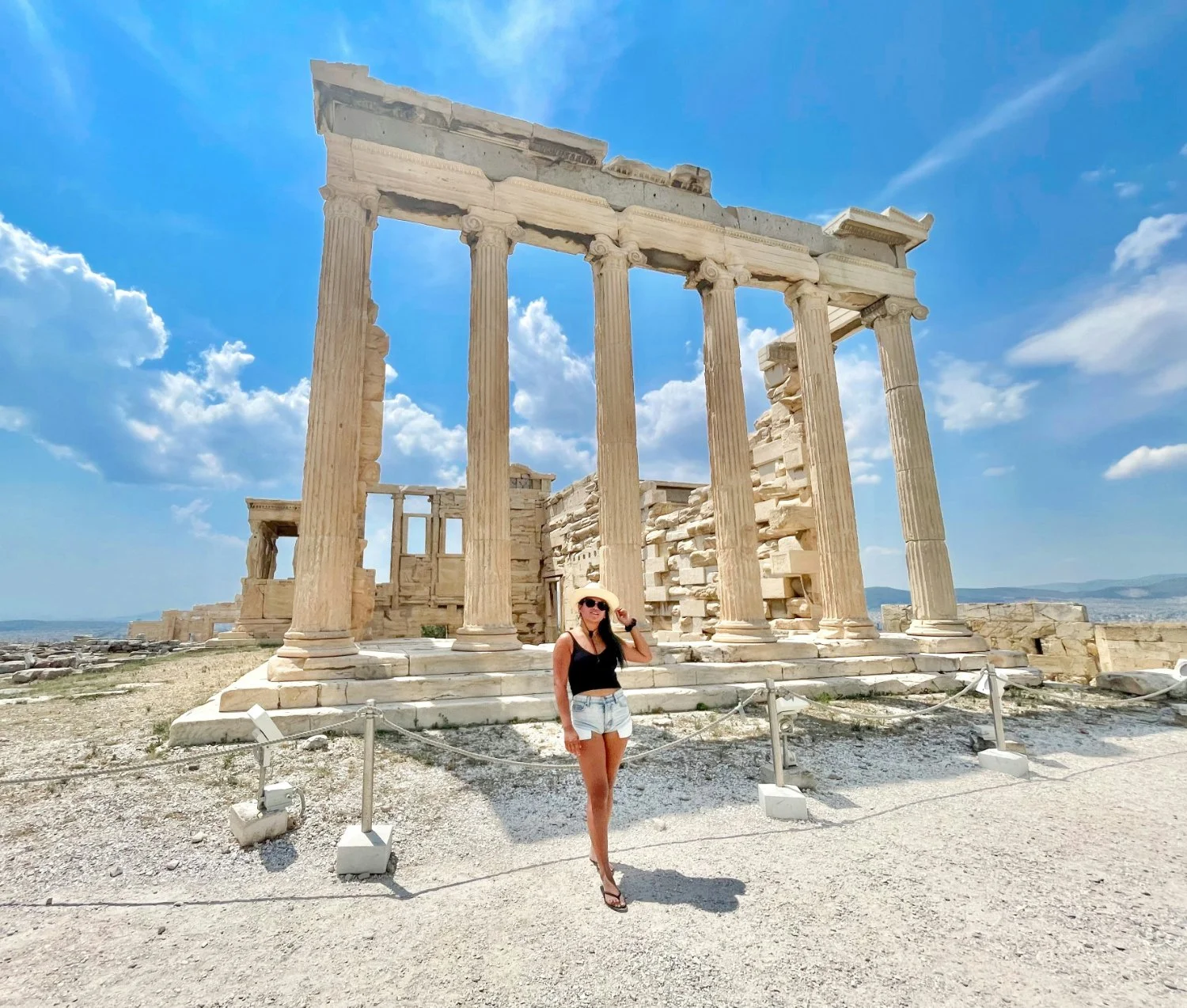
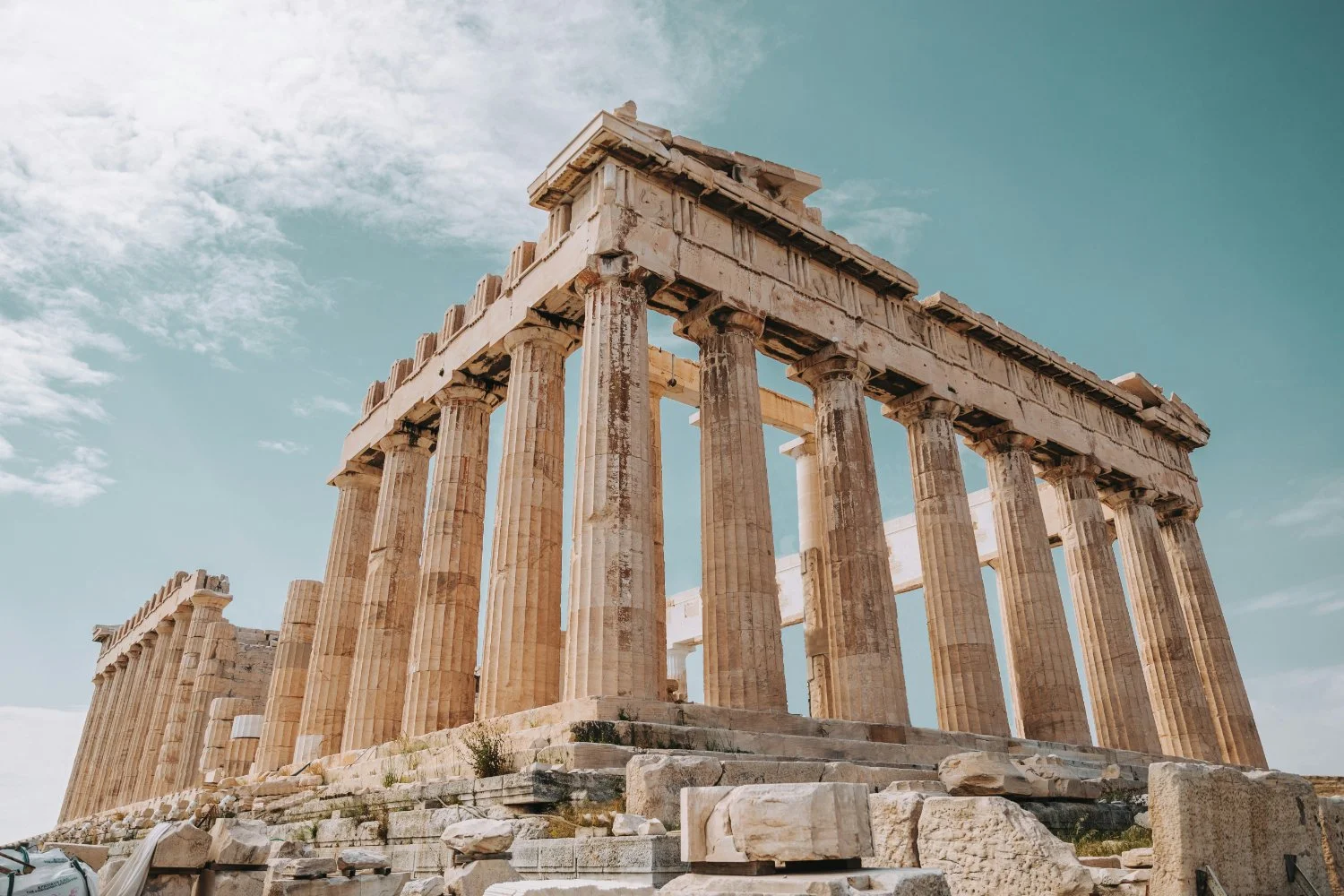
The Acropolis is the clearest example. Rising above the city, it gives travelers a powerful sense of Athens’ role in ancient architecture, civic life, religion, and cultural memory. It is recognized as an ancient cultural landmark with global significance, and it remains one of the strongest symbols of how deeply history shapes the city.
For many visitors, the Acropolis feels emotional because it is both monumental and familiar. People may have seen photos of the Parthenon for years, but standing near it changes the experience. The marble, the height, the light, and the city spreading below make the site feel less like an image from a textbook and more like a living part of Athens.
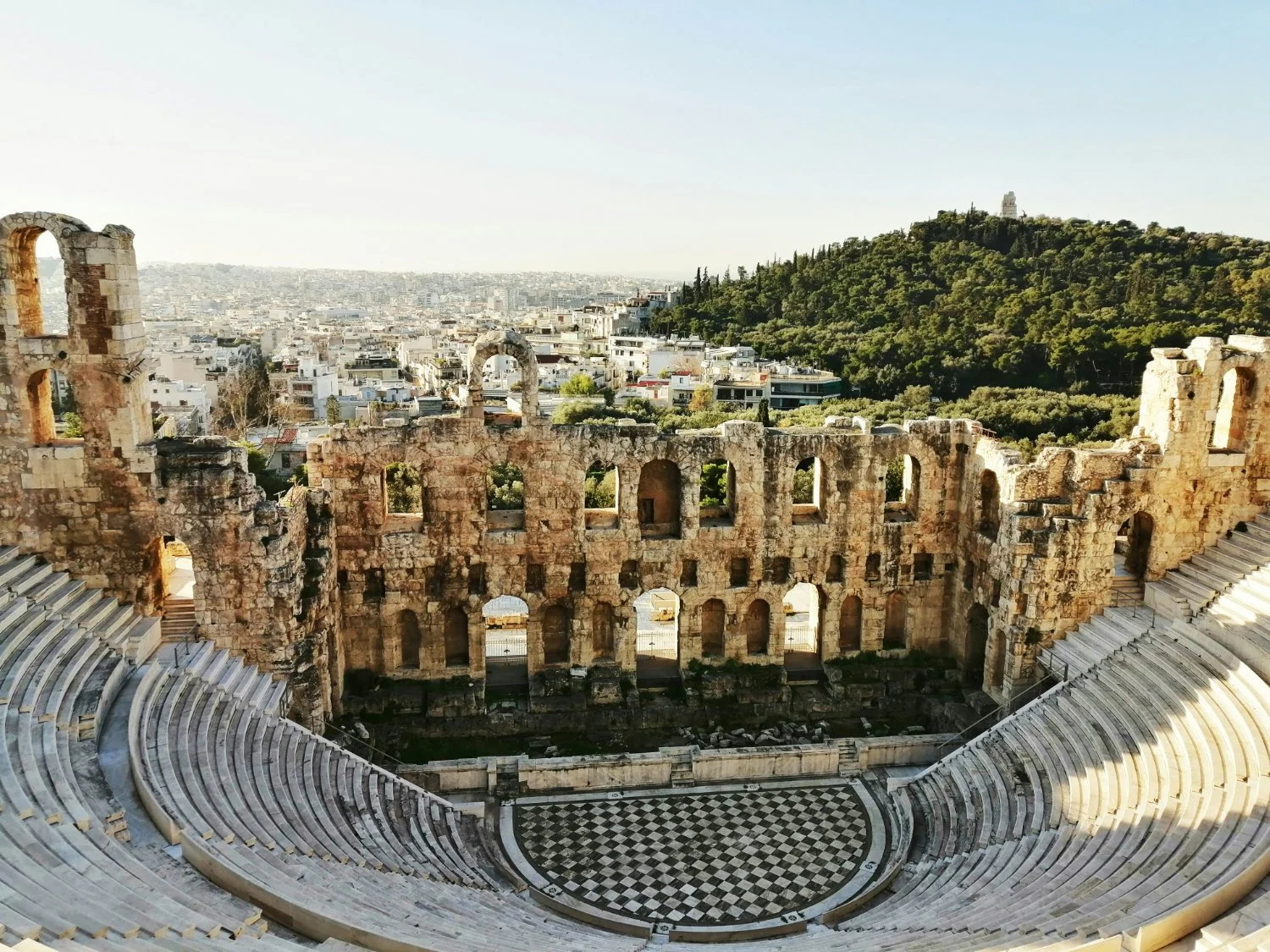
The Acropolis should be the beginning of cultural exploration rather than the whole story. The Ancient Agora, Roman Agora, Temple of Olympian Zeus, and smaller archaeological sites all add detail. Museums help connect objects and ruins to daily life. Streets outside the major attractions can also carry traces of earlier periods, giving the city a layered quality that rewards attention.
A historic district in California might take travelers back a few hundred years. In Athens, the timeline stretches much further, and different eras remain visible in the same cityscape.
Food Makes the City Easier to Understand
Food is one of the easiest ways for California travelers to connect with Athens. California has a strong culture of fresh produce, seasonal eating, seafood, olive oil, wine, and casual meals that still feel special. Athens offers those pleasures through Greek ingredients, traditions, and hospitality.
A good food day in Athens might start with a bakery stop for koulouri or a pastry, continue with a market visit, and end with a long dinner of meze, grilled fish, vegetables, dips, bread, and local wine. The flavors are often simple, but they reflect climate, trade, family recipes, and regional identity.
The Central Market is especially useful for understanding the city’s food culture. It is busy, practical, and full of local texture. Nearby streets offer spice shops, small eateries, and places where visitors can see how Athenians shop and eat beyond the polished restaurant scene.
Meals also help travelers slow down. In Athens, dinner is rarely something to hurry through. A taverna table can become a cultural lesson when visitors pay attention to shared plates, local ingredients, and neighborhood atmosphere.
For a deeper trip, food should be treated as part of the itinerary rather than an afterthought. It connects the ancient and modern city in a direct, human way.
Street Art and Modern Culture Keep the City Alive
Athens is often introduced through its ancient past, but its modern culture gives the city much of its energy. Street art, music, independent shops, galleries, and contemporary restaurants add new expression to the historical setting.
This side of Athens may appeal to California travelers who enjoy creative city neighborhoods. Murals and public art in Athens often reflect politics, identity, humor, frustration, and imagination. They give the city a modern voice and show that culture here is still changing.
Music adds another layer. Rebetiko, often described as an urban Greek music tradition, carries stories of migration, hardship, love, and nightlife. Live music venues, casual performances, and neighborhood bars can help travelers experience Athens after dark in a way that feels local rather than staged.
The city’s creative culture also appears in design shops, small bookstores, contemporary galleries, and new restaurants that reinterpret Greek traditions. History remains central, while present-day culture gives Athens movement and personality.
What California Travelers Should Pack for Athens Days
Athens rewards travelers who are prepared for long days on foot. The city’s hills, stone streets, archaeological sites, sunny squares, and neighborhood walks call for practical choices. Comfortable shoes are essential. Breathable clothing, sunglasses, sunscreen, and a refillable water bottle can make a big difference, especially in warmer months.
California visitors may already be familiar with dressing for sunshine, but Athens walking days can be more demanding than they first appear. Heat, uneven pavement, stairs, and open archaeological spaces make comfort more important than overly styled outfits. Light layers are useful for museums, breezy evenings, and rooftop dinners.
A small day bag is also helpful. Travelers may want room for water, a hat, a scarf or light cover-up, a portable charger, and small market finds picked up along the way. For readers planning a summer trip, a guide to packing for warm Greece travel days can help make the transition from California habits to Athens travel feel easier.
Packing well supports a better cultural experience. When travelers are comfortable, they are more likely to wander longer, visit one more neighborhood, pause at a café, or stay out for an evening walk.

How to Slow Down and Experience Athens Properly
The best way to enjoy Athens is to resist treating it as a brief stopover. The city deserves time, curiosity, and a willingness to look beyond the obvious landmarks. California travelers who already appreciate slow coastal drives, local cafés, farmers markets, historic districts, and scenic neighborhoods are well suited to this kind of visit.
A culture-filled trip to Athens might include the Acropolis, but it should also include a morning market, a quiet church courtyard, a rooftop view, a neighborhood dinner, a mural-covered street, a museum visit, and time spent walking without a strict plan. These experiences help travelers understand the city as a place where daily life and deep history exist together.
Athens is sunny, social, flavorful, and full of movement. In those ways, it can feel familiar to someone from California. Its ancient landmarks, layered neighborhoods, and living traditions give it a character that cannot be duplicated on the West Coast.
For travelers who care about food, art, history, and the feeling of a place, Athens offers a trip that is both comfortable and eye-opening. It rewards visitors who slow down, pay attention, and let the city reveal itself one layer at a time.