
The Hidden Cost of Cheap Sofa Upholstery: What Homeowners Should Know Before Reupholstering
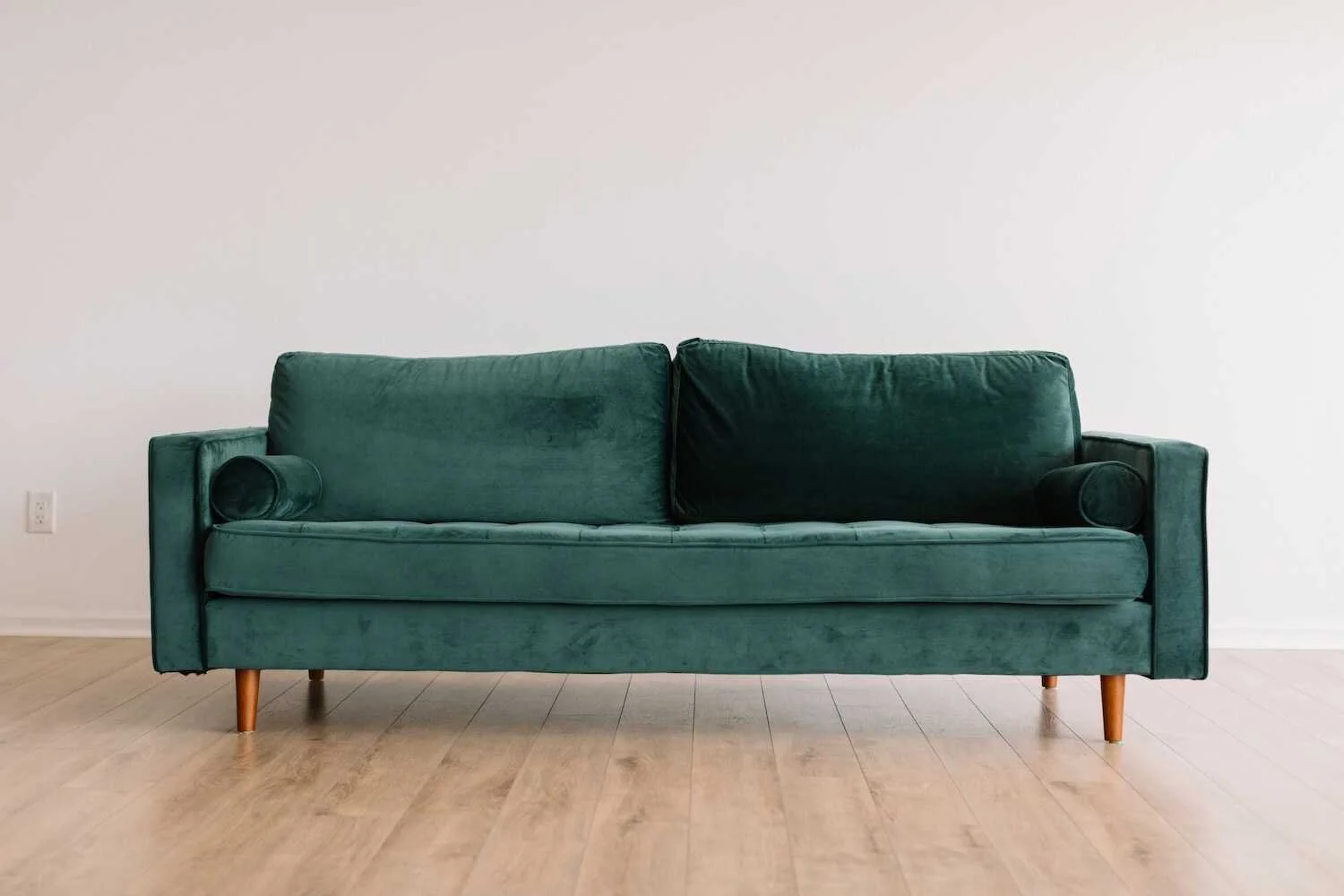
When it comes to reupholstering a sofa, the urge to choose cheaper upholstery options is often strong, especially for homeowners on a budget. A fresh new look at an affordable price can seem like the perfect solution to breathe life into old furniture. However, before you make that decision, it’s important to ask yourself: Is the upfront saving worth the hidden costs?
Choosing inexpensive upholstery may seem like a smart financial choice, but it often comes with consequences that many overlook. In this article, we’ll explore the true cost of low-budget sofa upholstery, shedding light on the long-term effects that could leave you paying more than you initially bargained for.
The Price Trap: Why Cheap Upholstery Tempts Homeowners
Cheap upholstery can be highly appealing—it’s often much more affordable than higher-end options. Homeowners eager to refresh their living spaces quickly and affordably are drawn to these lower price points. However, many cheaper upholstery fabrics, such as polyester and nylon, may not be as durable or comfortable as more expensive alternatives.
These budget-friendly materials are usually synthetics woven tightly to reduce production costs. While they save money upfront, they also compromise on longevity, comfort, and overall aesthetic. In contrast, Yalla Upholstery offers a perfect balance of affordability and durability, with fabrics like cotton, linen, or leather that provide superior longevity and comfort over time.
Durability Concerns: The Hidden Price of Cheap Fabrics
One of the most significant drawbacks of cheap upholstery is its lack of durability. Over time, you may notice that your sofa begins to show signs of wear much sooner than you would like.
Cheaper fabrics tend to wear out quickly, especially in high-traffic areas. Materials that are thin or poorly woven can easily fray, rip, or fade. If you have children or pets, frequent use and the occasional accident will only speed up the deterioration process.
Low-quality fabrics like polyester or vinyl may initially feel smooth, but they’re prone to pilling and tearing. Over time, the need for frequent reupholstering or repairs can add up, quickly negating any initial savings.
Example:
A sofa upholstered with cheap polyester may start showing pilling after just a few months, especially in high-use areas like the seat cushions. On the other hand, a leather sofa may last for years with proper care, even in the same high-traffic environment.
Maintenance Costs: More Frequent Cleaning and Repairs
Cheap upholstery doesn't stop costing you after the initial reupholstering. It often requires more frequent cleaning and maintenance to keep it looking presentable. Materials that stain easily or are hard to clean will lead to higher ongoing maintenance costs.
For instance, inexpensive polyester or microfiber fabrics tend to absorb oils and liquids quickly, making them prone to staining. These stains may not come out easily, requiring more frequent professional cleaning or harsh chemicals. Additionally, cheap materials are more likely to fade in the sun, meaning you may need to reupholster your furniture sooner than expected.
Example:
While a high-end cotton or linen fabric might require a deep clean every 6 months, cheap polyester might need regular cleaning every 3 months to keep its appearance intact.
Comfort and Aesthetic Trade-offs: The Downside of Synthetic Fabrics
While saving money might seem appealing, cheap upholstery often compromises comfort. Synthetic materials, while durable, can be uncomfortable to sit on for extended periods. They often lack the softness and breathability of natural fabrics, leaving your sofa feeling stiff or scratchy.
Moreover, the appearance of cheap upholstery often suffers. Low-quality fabrics tend to fade quickly, develop uneven wear patterns, and lose their texture. Over time, your sofa may start to look less luxurious, affecting the overall aesthetic of your living room.
Example:
A sofa covered in cheap microfiber might feel soft initially, but after a few months of use, it could lose its texture and develop a worn-out look, diminishing its overall appeal. On the other hand, a well-maintained leather or high-quality cotton sofa may age gracefully, developing a unique patina over time.
Health and Environmental Impact: The Hidden Risks
Cheap upholstery isn’t just a matter of comfort and durability—it can also pose health and environmental risks. Low-quality synthetic fabrics are often treated with chemicals like flame retardants, formaldehyde, and other toxic substances. These chemicals can off-gas into your home, potentially causing allergic reactions, respiratory issues, or other health problems.
Additionally, synthetic upholstery materials are typically non-biodegradable, contributing to environmental pollution. Fabrics like polyester and nylon are made from petroleum-based products, which contribute to plastic waste. Over time, these materials accumulate in landfills, worsening environmental concerns.
Example:
Synthetic fabrics often release volatile organic compounds (VOCs) into the air, which can irritate respiratory systems and aggravate allergies. High-quality natural fibers, however, typically don’t contain these chemicals, making them a healthier choice for your home.
Long-Term Value: Is Cheap Upholstery Worth It?
At first glance, cheap upholstery might seem like a good deal, but when you factor in the cost of frequent repairs, cleaning, and reupholstering, those initial savings quickly disappear. Over time, the money you save on cheap upholstery will be spent on maintaining it, leaving you with a short-lived, uncomfortable, and unattractive piece of furniture.
Investing in higher-quality upholstery materials—like leather, high-grade cotton, or durable performance fabrics—may cost more upfront, but these materials last longer, require less maintenance, and maintain their comfort and appearance for years.
Example:
Though reupholstering a sofa with a high-quality fabric might cost more initially, you could potentially avoid needing to replace it for 10-15 years, compared to the 5-7 years you might get out of cheaper upholstery.
Conclusion: Prioritize Quality for Long-Term Satisfaction
In conclusion, while cheap upholstery may seem like an easy way to save money in the short term, it often leads to higher long-term costs. From increased maintenance and repair expenses to the discomfort and aesthetic decline of low-quality fabrics, homeowners may find that the initial savings are far outweighed by the hidden costs.
When reupholstering your furniture, prioritize quality over price. Investing in durable, comfortable, and eco-friendly fabrics not only saves you money in the long run but ensures that your furniture remains a beautiful, comfortable, and lasting part of your home for many years.