
Scent Wardrobes & Functional Fragrances: What Should Your Signature Smell Be in 2026?
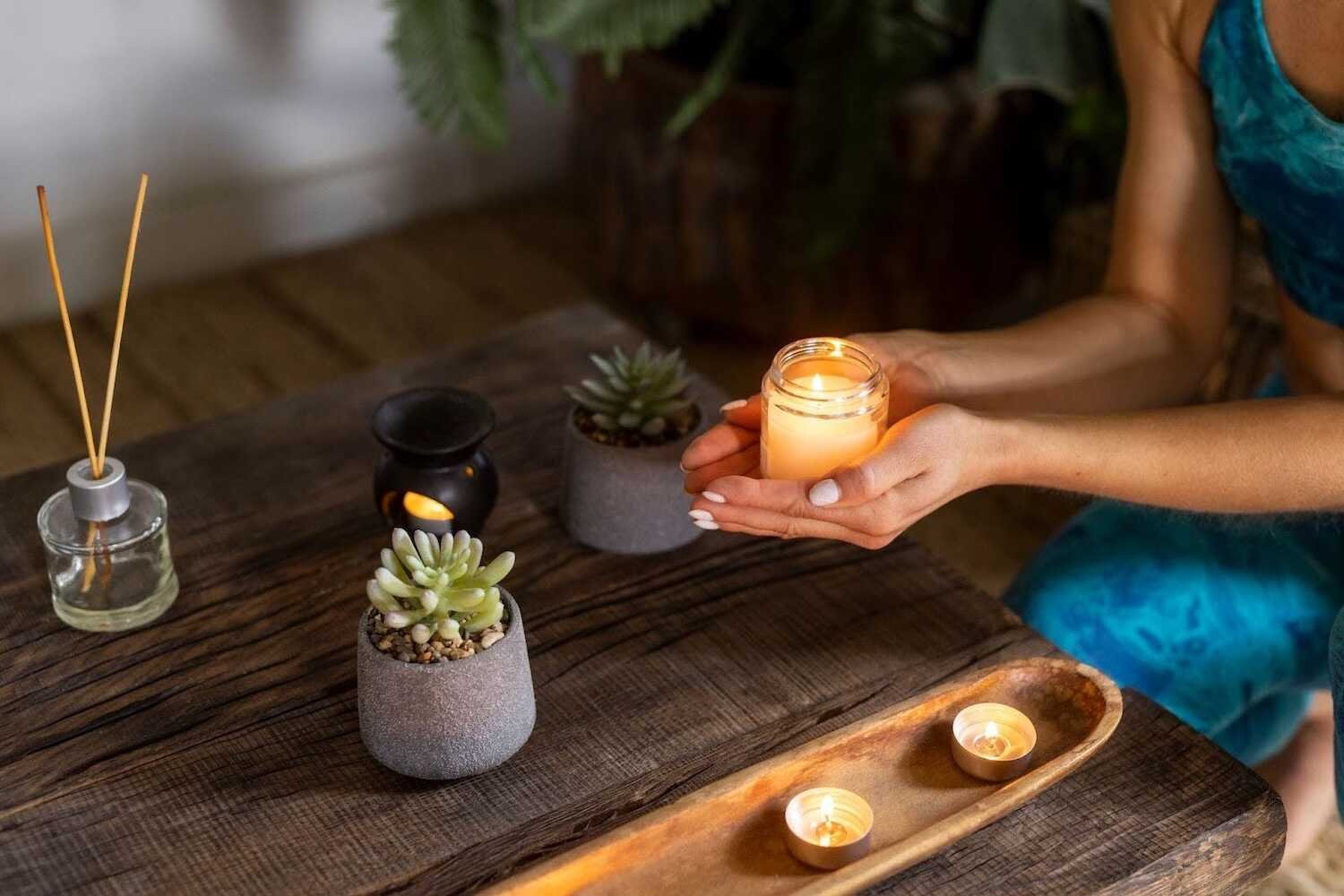
If you walk into a modern-day thoughtfully styled home, you might notice something subtle but powerful: the scent. Fragrance is becoming an essential element of how people design their living spaces and personal routines. Instead of relying on one favourite perfume or candle, many homeowners and boutique retailers are experimenting with scent wardrobes, which are collections of fragrances chosen for specific moods, times of day, or rooms in the house.
At the same time, functional fragrances are gaining traction. These are scents selected not just for their aroma, but for the way they may influence focus, relaxation, or well-being. Together, these trends are reshaping how we think about fragrance in both personal and commercial spaces.
The rise of the scent wardrobe
The concept of a scent wardrobe mirrors the way people curate clothing. Rather than wearing the same outfit every day, you choose pieces suited to the occasion. Fragrance is now following the same philosophy. Consumers are increasingly building collections of perfumes, candles, and diffusers that can be rotated throughout the day or across seasons. Instead of committing to a single signature scent, people are embracing multiple fragrance identities.
A typical scent wardrobe might include morning scents such as citrus, eucalyptus, or green tea to create a refreshing start to the day; work-from-home fragrances like basil, rosemary, or cedarwood to encourage concentration; evening relaxation scents, including lavender or chamomile; and entertaining fragrances such as fig, vanilla, or amber for social gatherings.
Many homeowners are also assigning scents to particular areas of the home. Bedrooms often feature calming notes, while kitchens and living areas may lean towards brighter or more inviting fragrances. The result is a home that feels layered and intentional, with scent playing the same role as lighting, colour, and décor.
Functional fragrances
Another major shift in the fragrance industry is the rise of functional fragrances. This trend reflects the growing connection between fragrance and wellness. Certain scent families may influence emotional responses, which is why people increasingly choose fragrances based on how they want to feel. Some popular functional fragrance categories include:
Focus and productivity
With hybrid work now more common, many people are creating scent rituals for their home offices. Herbal notes like basil, rosemary, and cedarwood are frequently used to create a grounded, focused atmosphere.
Relaxation and digital detox
After long hours of screen time, calming scents such as lavender, sandalwood, and chamomile are often used in bedrooms or evening routines.
Energy and motivation
Citrus-based fragrances, including bergamot, lemon, and grapefruit, are associated with freshness and alertness, making them ideal for kitchens or morning routines.
As people spend more time at home, these small sensory cues help mark transitions between work, rest, and leisure.
Why boutique stores are investing in scent
Fragrance trends aren’t just influencing homes; they’re also shaping the retail environment. Small boutiques and lifestyle stores are increasingly using scent as part of their brand identity. A carefully chosen fragrance can create a welcoming atmosphere and help customers form emotional memories of a space.
Retail consultants often refer to this as sensory branding, where scent complements visual merchandising and music to create a cohesive shopping experience. Candles remain one of the most popular tools for this approach. They’re versatile, aesthetically pleasing, and easy to swap out when trends change. For boutique owners and interior stylists, sourcing products through trusted candle wholesalers has become a practical way to keep up with evolving scent preferences.
Wholesale suppliers often provide access to a wide variety of fragrance profiles, including popular scent dupes, allowing small businesses to experiment with new aromas without the high price point of luxury brands. This flexibility is particularly valuable for seasonal displays or themed retail environments, where scent can reinforce the overall aesthetic.
Fragrance trends shaping private spaces
The types of scents people are choosing are also evolving. People are moving away from overly sweet or synthetic fragrances and towards more natural, comforting profiles. These scents tend to reflect broader lifestyle trends such as wellness, sustainability, and nostalgia. Some of the most prominent fragrance directions for 2026 include:
Botanical and herbaceous notes
Scents like sage, basil, and eucalyptus feel clean and nature-inspired, making them popular choices for modern interiors.
Soft “skin” scents
Subtle fragrances designed to smell like fresh linen or clean skin are gaining popularity as alternatives to heavier perfumes.
Gourmand comfort scents
Warm notes such as vanilla, coffee, and caramel add a cosy ambience to living spaces, especially during cooler months.
Woods and resins
Cedarwood, sandalwood, and amber provide depth and sophistication, making them staples in both candles and diffusers. These fragrance families align with the broader trend of creating homes that feel calming, personal, and restorative.
How to build your own scent wardrobe
Creating a scent wardrobe doesn’t require a huge collection of products. Often, a few carefully chosen fragrances are enough to transform a space. Here are a few practical ways to start:
Match scent to activity
Choose energising fragrances for daytime tasks and calming ones for evening relaxation.
Think room by room
Assign different scent styles to each area of your home.
Rotate seasonally
Fresh and herbal scents often suit warmer months, while woody or gourmand fragrances feel cosier in winter.
Layer personal and home fragrance
Your perfume, body products, and home scents can complement one another to create a cohesive sensory experience. Over time, these small adjustments help create a home environment that feels distinctly yours.
A future defined by scent
Fragrance is quickly becoming one of the most powerful yet understated elements of modern interior design. From curated scent wardrobes to functional fragrances that support well-being, people are continually finding new ways to incorporate scent into everyday life. Meanwhile, boutique retailers are recognising the commercial potential of fragrance to shape memorable customer experiences.