
Planning a Jungle Safari? Here’s Your Checklist to Choose the Right Travel Camera
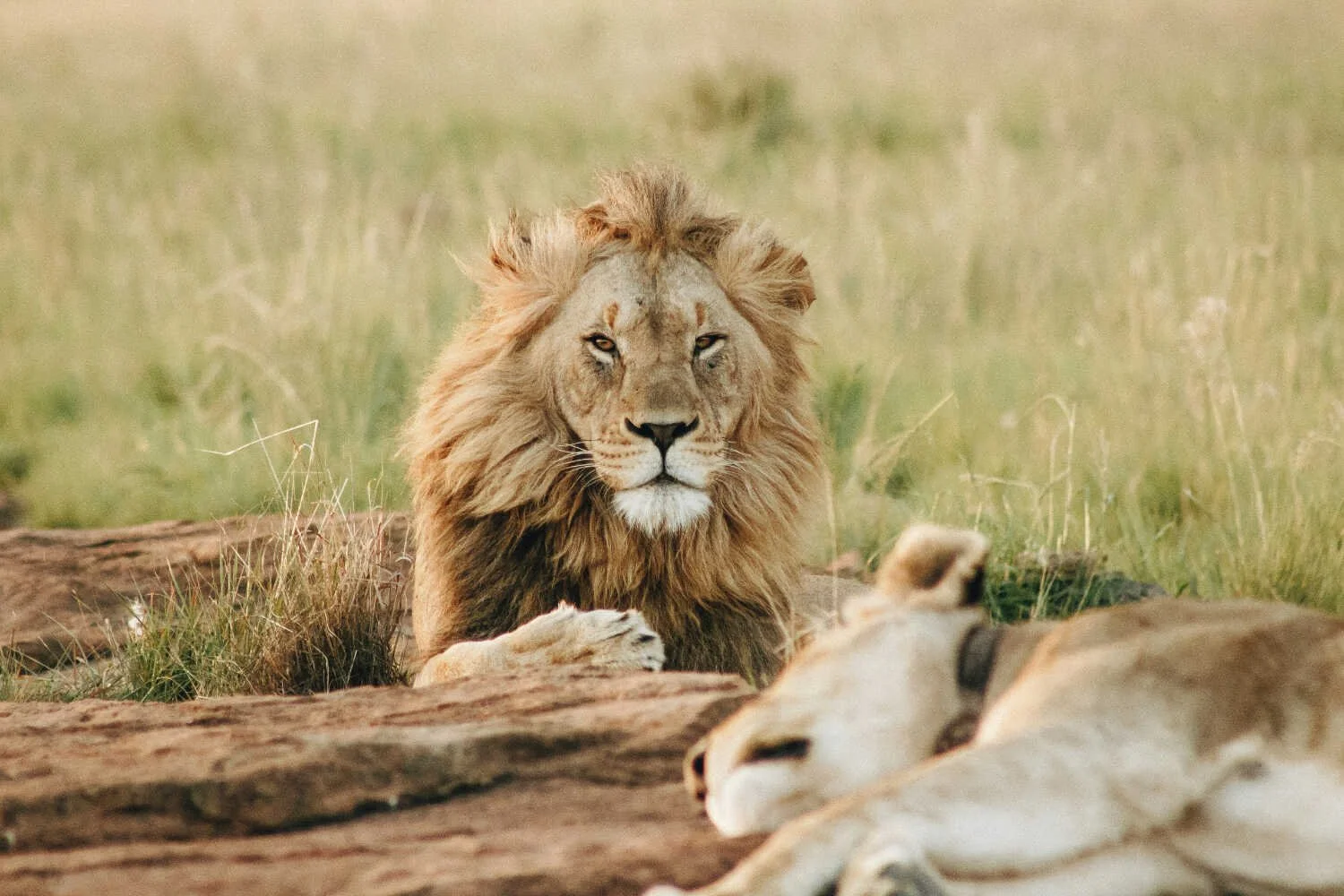
Unlike standard city travel experiences, a jungle safari is more immersive, unpredictable, and impossible to recreate. One moment, you are watching a herd of elephants drinking from the river. Next, a leopard suddenly appears for a few seconds before vanishing into the wilderness.
These encounters are not just about observing animals in their natural habitats. It’s about entering a wild ecosystem where nature dictates your experience. And you certainly want to capture these wild moments to reminisce later. That’s why the right travel cameras matter, and you must know what to look for in one if you are planning a purchase.
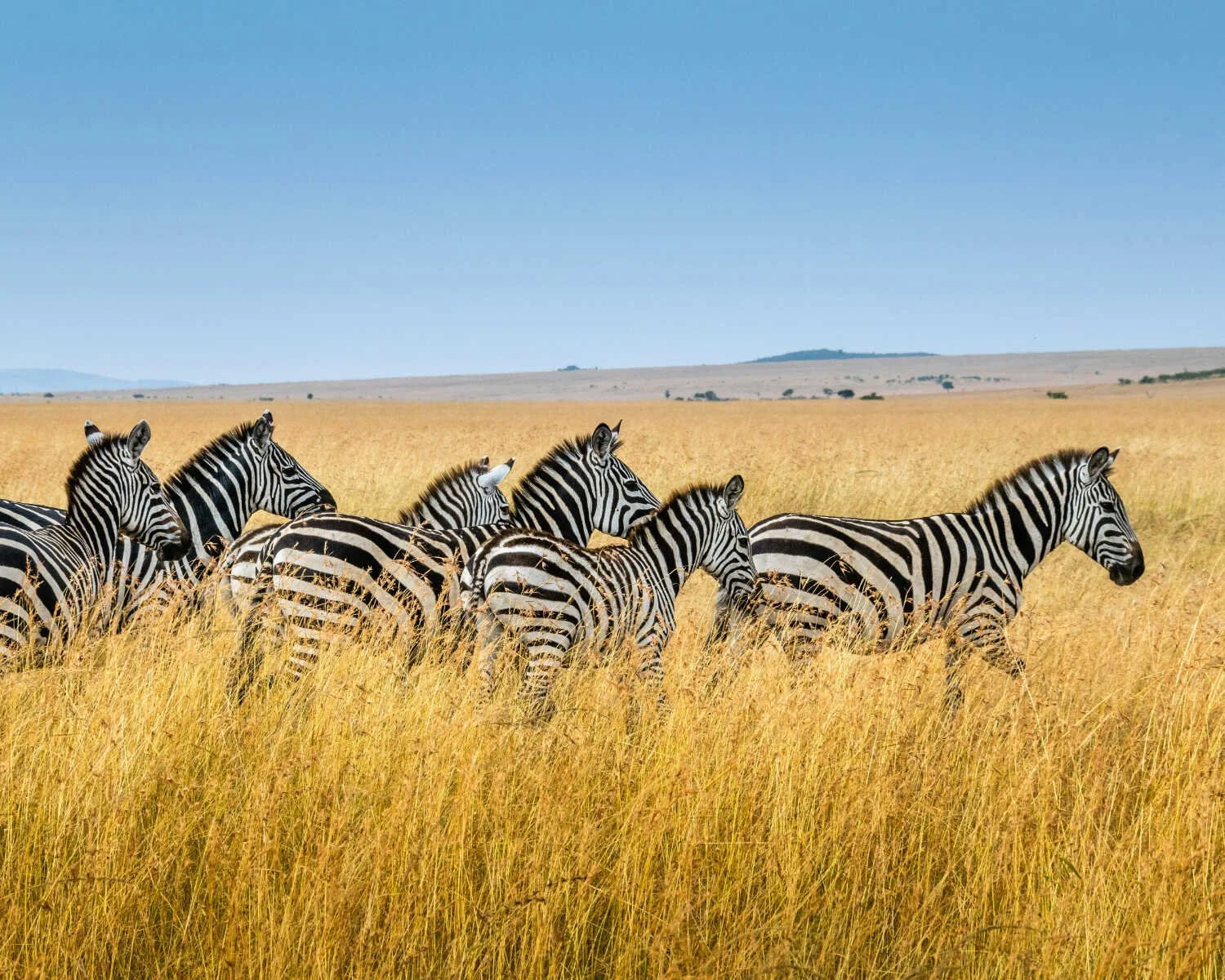
Buying a Travel Camera for Safaris: A Hands-On Checklist
Whether you are planning a trip to the Land of Kiwis or the San Diego Zoo Safari Park, choosing a good camera isn’t always about finding the perfect gadget. Rather, it’s about finding a machine that matches your budget and feature needs.
Here’s the checklist of some non-negotiables:
Autofocus (AF)
Animals move, and so do you. A tiger crossing a trail or a bird taking off can vanish in seconds. The best travel cameras typically offer fast, accurate autofocus systems and clear eye and face detection. That way, your camera can lock onto subjects and capture moving objects quickly and accurately.
Look for cameras with:
Subject tracking
Fast focus acquisition
Continuous autofocus (AF-C / Servo AF)
Single Autofocus (AF-S)
Touch-to-focus
Eye and face tracking
Animal detection
Wide area AF
Pinpoint/spot AF
Customizable zone AF
Speed and Burst Shooting
Speed is everything in wildlife photography. No animal stays still for long. A camera with a high burst rate captures multiple frames, increasing your chances of getting perfect, well-timed images with greater accuracy, even if the encounter lasts for a few seconds.
Look for cameras with:
Quick shutter response
High frames-per-second (FDS) capability
Burst shooting mode
Minimal lag between shots
Zoom Capability
On a safari, observers generally see animals from a distance. Getting close is almost impossible and unsafe. A powerful zoom with strong resolution and cropping can help you capture portfolio shots without disturbing animals’ natural behavior.
Look for cameras with:
24x optical zoom (equivalent to 600mm)
A large 1-inch sensor
Image Stabilization
Safari photographers mostly shoot from moving vehicles or hand-held positions. Image stabilization is necessary to reduce blur caused by shaky hands, especially at high zoom levels.
Look for cameras with:
In-body image stabilization (IBIS)
Lens-based optical stabilization (OIS)
Coordinated (hybrid) stabilization
AI subject-detection autofocus
Panning and "Sport" modes
Weather Sealing
Dust, humidity, and a sudden downpour make jungle conditions unpredictable. Weather-sealed travel cameras are not just smart for outdoor adventures but also provide protection against the weather.
Look for cameras with:
Gasket and port protection
Weather-resistant or dust-and moisture-resistant labels
Internal zooming and focusing
Fluorine coatings
Battery and Storage
You can’t miss a tiger sighting because you were busy swapping batteries. A travel camera with strong battery life and sufficient storage options can help you enjoy the trip in peace. Always carry spare batteries and memory cards so you can shoot continuously in burst mode without worrying about your battery or space running out.
Look for cameras with:
USB-C charging capability
Dual card slots
Fast write speeds (UHS-II or CFexpress)
Low Light Performance
Many wildlife sightings occur at dawn or dusk. While it offers beautiful light, shooting becomes challenging. You need a camera that captures clear and detailed photos even in low-light conditions.
Look for cameras with:
Large sensor size (full-frame or APS-C)
Wide-aperture lens (f/2.8 or lower)
In-body image stabilization (IBIS)
Low-light autofocus (-5 EV or lower)
Adjustable ISO range
Minimal image noise
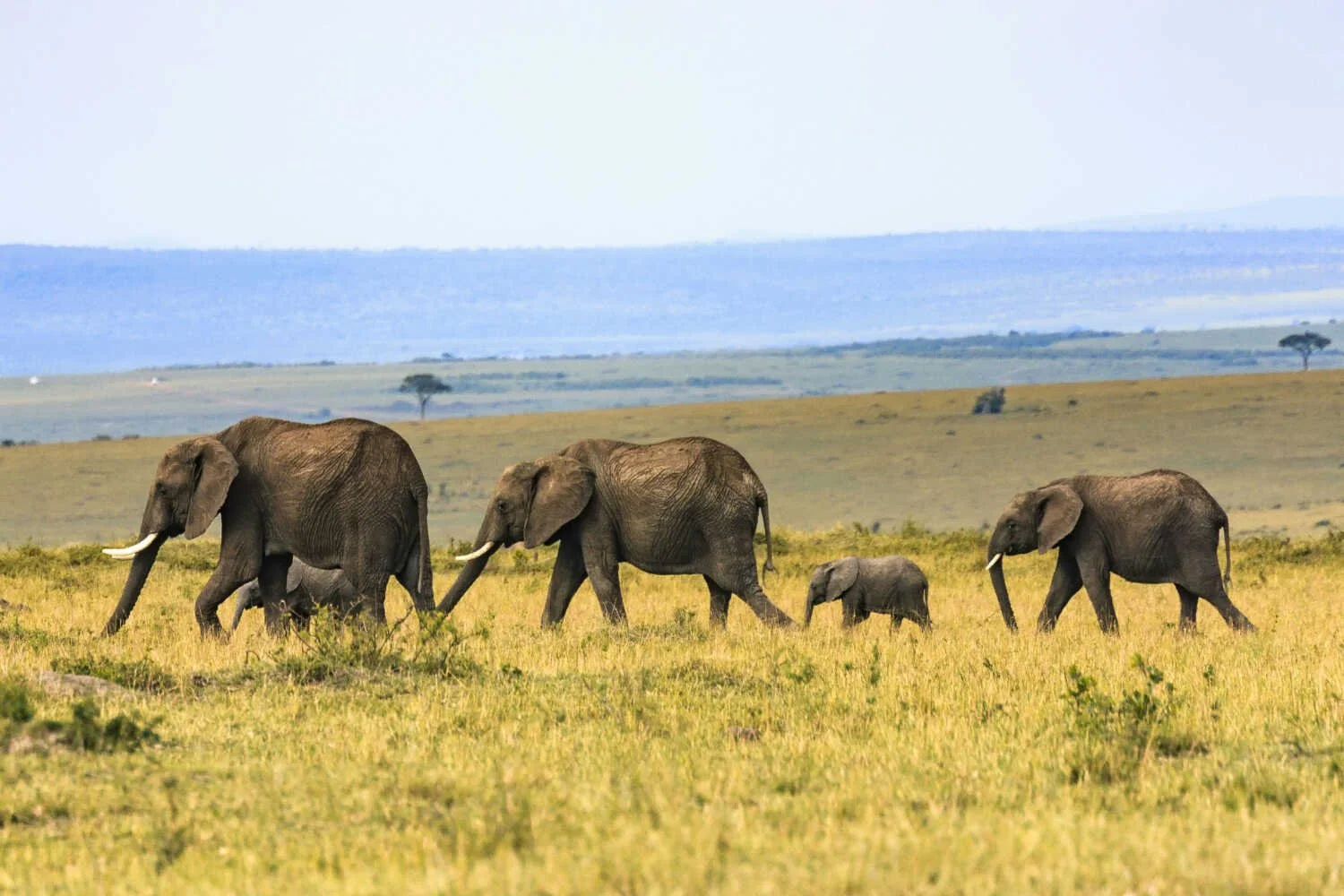
Bring the Jungle to Life With Quality Travel Cameras
Not every camera can truly capture the raw beauty of the jungle. Distance, weather, dust, changing light, and rapid movement can affect each click. Therefore, choose a camera that can handle distance, react quickly to sudden movements, and perform well in all lighting conditions so you can capture unforgettable encounters to cherish for a lifetime.