
Munchkin Cats. Your Guide to the Short-Legged Feline Companions
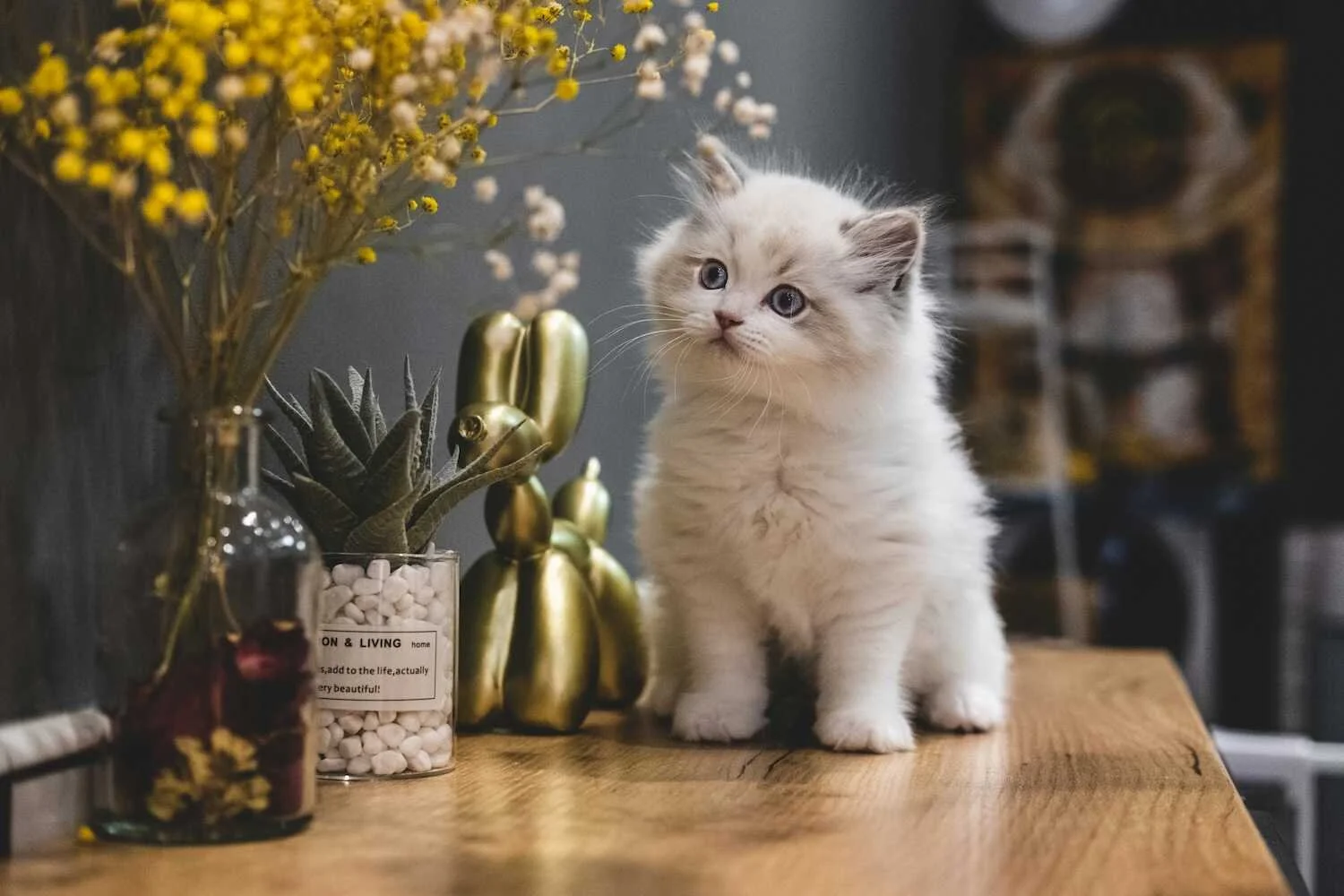
Buying a munchkin cat should start with an evaluation of phenotype, temperament, and breeder standards, not impulse. A Munchkin cat is defined by a naturally short-legged body structure, so the breed requires a buyer who understands conformation, movement, and routine care requirements. The intention to buy Munchkin cat is long-term compatible.
When reviewing munchkin kittens, the buyer should focus on health screening, lineage transparency, socialization history, and housing fit. A short leg cat can be an excellent companion in the right environment, but the decision should be based on evidence, not aesthetics alone. This is especially important for families comparing a munchkin kitten for sale with other companion breeds.
Munchkin cats generally present as compact, agile, and people-oriented, with a strong tendency toward household interaction. That makes them practical for buyers who want a companion animal with high social engagement and manageable grooming needs. However, the correct purchase decision still depends on how the kitten was raised, evaluated, and matched to the home.
What Makes Munchkin Cats So Special?
Munchkin cats are distinctive because of their shortened limb structure, which changes visual proportion without eliminating feline mobility. Their body mechanics differ from standard domestic cats, but they still retain the core feline behaviors expected in a companion animal. They jump lower than some breeds, yet they remain active, curious, and capable of normal household movement.
Their appeal is not only physical. Many owners choose the breed because munchkin kittens often show strong human orientation, stable household adaptability, and a generally manageable coat profile depending on the individual cat. These are practical traits, not decorative ones. They matter because they influence daily handling, enrichment planning, and long-term care.
The most important point is that the breed should be evaluated as a functional companion, not only as a visual category. Buyers who understand the limits and strengths of the phenotype make better decisions. That leads to better placement, fewer surprises, and a more stable home environment.
Munchkin Cat Price: What Influences the Cost?
The munchkin cat price is shaped by several factors, and a serious buyer should inspect each one before making a commitment. Price is not just a reflection of appearance. It usually includes breeder quality, lineage, veterinary work, socialization effort, and transport or placement conditions.
A lower price is not automatically a better deal. In many cases, it may signal weak documentation, inadequate screening, or poor early handling. A higher munchkin kitten for sale may still be a poor choice if the breeder cannot document care standards or health support.
Common price drivers include breeder reputation, coat type, color rarity, registration status, vaccination history, age, and whether the kitten is sold as a pet-quality companion or under a different breeding agreement. Geographic region also affects the final cost, especially when transport, local demand, and breeder availability are involved. Buyers should compare the full package, not just the number on the listing.
Health testing for parent cats can increase the asking price, but it also improves buyer confidence.
Early socialization programs often add value because they reduce adjustment problems after placement.
Rare coat colors or highly specific markings can raise the price without improving health or temperament.
Delivery logistics, including ground transport or flight arrangements, may materially change the final cost.
Documentation quality matters because incomplete records create downstream veterinary and legal uncertainty.
A rational purchase process treats cost as one variable among several. The correct question is not whether a munchkin cat price is high or low. The correct question is whether the price reflects verifiable standards, responsible breeding, and a kitten that has been prepared for life in a home.
Finding a Reliable Munchkin Breeder in the USA
A reliable munchkin breeder USA buyers can trust should be transparent, consistent, and willing to explain every stage of the kitten’s development. That includes the breeding plan, health records, vaccination schedule, early feeding routine, and socialization environment. If a breeder cannot explain these points clearly, the buyer should move on.
The breeder should also allow realistic communication about temperament and placement fit. Responsible placement means matching the kitten to the household, not moving inventory. That distinction matters because a short leg cat may need a more structured indoor environment than a buyer initially assumes.
A serious breeder does not pressure the buyer into a quick decision. Instead, the breeder provides enough data for an informed review of munchkin kittens, including age-appropriate behavior, veterinary status, and home-readiness. That is the standard to expect.
Health and Personality of Munchkin Kittens
Health review should begin with the kitten’s mobility, appetite, coat condition, weight trend, and general activity pattern. A healthy munchkin kitten should move comfortably within its physical range, show alertness, and demonstrate normal interaction with people and litter facilities. The buyer should not assume that unusual body structure is a substitute for veterinary clarity.
Personality assessment is equally important. Many munchkin kittens are confident, social, and responsive to routine handling, but personality still varies from one kitten to another. The buyer should evaluate the individual animal, not just the breed stereotype.
The most useful questions are practical. Ask what the kitten eats, how it reacts to being handled, whether it has been exposed to children or other animals, and how it behaves during rest periods. These details reveal more than generic marketing language.
Ask for a dated veterinary record and confirm that the kitten has been examined recently.
Request specific information about litter training and feeding consistency.
Confirm whether the kitten is accustomed to normal household sounds.
Ask how the breeder monitors littermates for growth and behavior differences.
Verify what support is available after pickup or delivery.
A disciplined buyer treats these answers as screening data. The purpose is to reduce uncertainty before transfer. That approach protects both the family and the kitten.
Is a Munchkin Cat Right for Your Family?
A munchkin cat can be a strong fit for families that want an affectionate indoor companion with a compact frame and an interactive temperament. The breed often does well in homes that can provide stable routines, controlled play spaces, and regular human contact. It is a practical choice for some households, but not an automatic match for every lifestyle.
Families with young children should focus on handling discipline and gentle supervision. Any cat, including munchkin kittens, can become stressed if handled roughly or treated like a toy. The best homes are the ones that understand boundaries and keep interactions predictable.
Review the breeder, compare the munchkin cat price against documentation quality, and match the kitten to the actual home environment. For a structured next step, buy a munchkin cat from a source that prioritizes transparency, health standards, and responsible placement.