
Modern Leather Sofas That Bridge Two Styles
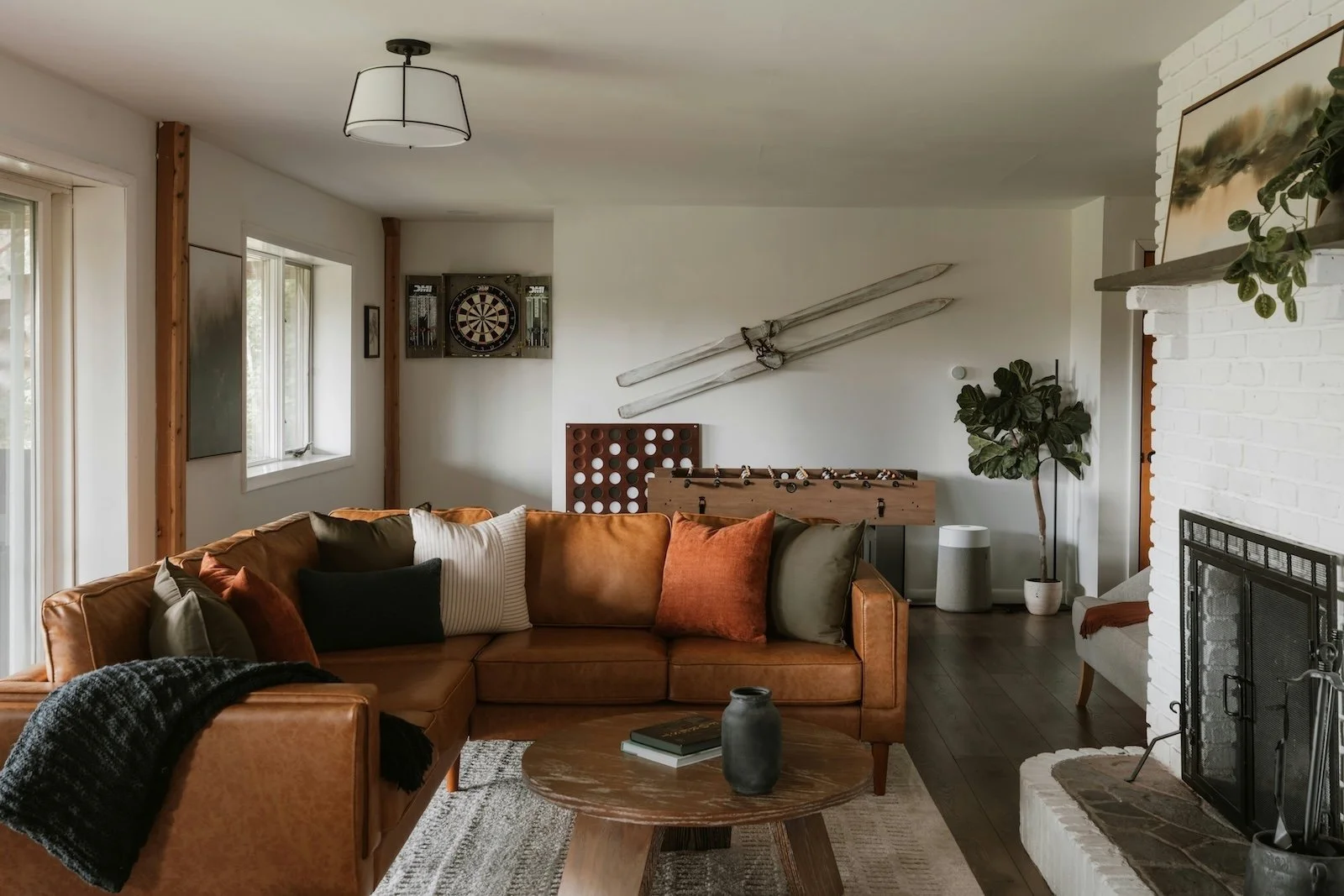
Leather reads classic in one home and edgy in another, so the right modern and contemporary leather sofas blend both moods with soft edges and a calm tone.
Leather ages better than most fabrics when cared for. It warms with use and hides minor marks. Pick a full grain hide for long life. A tan or grey piece fits both old and new rooms.
Choose Full Grain Leather
Leather quality decides how long the sofa lasts.
Full grain hides keep the top layer and wear in with character, so learn the grades before you buy. Look for a surface with natural marks, not a flat printed coat, and avoid bonded leather that peels after a few years at home. Ask the retailer which cut the hide uses.
A thick hide resists the claw of a pet better than thin splits, while you press the grain and watch it return without a shine. Condition the surface twice a year to keep it supple, and check the dye for even color across the whole panel. An honest hide tells the truth under a bright lamp.
Pick the leather your hands trust, not the label alone. Visit the store and feel two grades side by side with your palm, because full grain warms and gives while the split feels cold.
Color Sets the Mood
Leather color changes the whole room.
A tan hide warms a cool space and feels lived in fast, so choose with the walls in mind. Grey reads calm and fits both old and new decor, yet avoid bright red that tires the eye within a season. Look for a tone that flatters the floor and the art.
Ask for a swatch and pin it to the wall for a weekend, because a mid brown bridges a timber floor with white trim. Light tones show marks yet feel open and airy, while dark tones hide scuffs but can close a small room. Check the dye in daylight and under the lamp.
Live with two swatches taped to the seat through a full day of light. The shade that pleases at noon may tire by evening lamp, so a calm tone keeps the room flexible as your taste shifts.
Softer Edges Feel Calm
Soften the leather edges first.
Hard leather corners can read cold, so look for a soft roll.
A rounded arm invites a lean during a long read, and you should avoid sharp square edges that feel like a desk in the room. Choose a cushion with a gentle crown, not a flat slab, because the front edge should curve so your shin rests easy.
A padded lip at the top supports the neck during movies, while loose back pillows soften the strict leather frame. Pick a piece that feels like a chair, not a command post, and sit with a throw and a book to judge the calm. Soft edges turn a tough material into a daily friend.
Walk the room and view the sofa from the side where the arm shows. A soft roll reads as welcome while a block reads as office, so bring a pillow from home to test the lean angle.
Match the Room Tone
Let the leather bridge two styles.
A leather sofa should blend two styles, so read the room first.
Pair a tan hide with a timber floor for warmth, and set a grey piece against white trim for a calm bridge. Avoid a tone that fights the art above the back, while you look at the undertones in your wall and your rug. A mid brown links old wood with new metal legs.
Bring a swatch home and pin it near the window for a day, because light leather opens a small room and keeps it bright. Dark leather grounds a large space with a steady weight, so check the color under the lamp where you read at night.
Stand at the door and ask if the piece feels like it belongs there. The right tone makes the room look finished without effort, so move a chair nearby to test the balance of color.
Condition Twice a Year
Feed the leather on a schedule.
Leather drinks moisture from the air, so feed it on a schedule.
Condition the surface every six months with a light cream, and use a soft cloth to rub in a circle, not a hard swipe. Avoid petrol based products that crack the hide over time, because a clean surface takes the conditioner better than a dusty one.
Keep the room at a steady humidity to slow the dry, and check the arms where hands rest most often for wear. A small habit twice a year keeps the leather young, so pick the product the maker of the sofa recommends first.
A weekend rinse and feed takes less than an hour at home, and invite the kids to watch so they learn the care. The arms and the headrest need the most love from your hand, because regular feed keeps the hide soft and the color true for years.
Avoid Direct Sunlight
Shield leather from the sun.
Sun fades leather faster than almost any other cloth.
Keep the sofa away from the window where the light streams, and draw a sheer curtain during the bright midday hours. Rotate the cushions so one side does not bear the burn, because a dark hide shows fade slower than a pale one. Check the arms near the glass for early color shift.
Move the piece a foot from the pane if you can, and use a UV film on the window to cut the harm. Brush the leather after the sun to lift the nap, while a plant near the glass can shield the corner from rays. Shield the hide and the sofa stays rich for years.
Note where the light lands at noon and again at five in your room. The patch that burns first needs the most protection, so a movable screen behind the glass helps during the summer peak. A well kept hide rewards you for years, so the small habit pays back every season you remember to do it.
Blend Old and New
Mix old and new with leather.
A leather sofa bridges styles, so let it link the room.
Pair the hide with a timber side table for warm old charm, and set a metal lamp beside it for a crisp new note. Avoid a matchy set that reads as a single era only, while you look for a rug that mixes a classic pattern with a fresh color.
Place a plant in a ceramic pot to add a lived touch, and mix a velvet pillow with the leather for texture contrast. Keep the walls simple so the blend stays calm, because a move of one piece shifts the balance with ease. A bridged room feels current yet rooted in the past.
Stand back and view the mix as a guest would on entering. The leather should feel like the calm center of the blend, so shift a pillow or a lamp to test the weight of each era.
Leather bridges two styles when you choose with care. Pick full grain, a calm tone, and soft edges. Shield it from sun and feed it twice a year. A well kept hide rewards the room for many years.