
Mastering the 4 Cs: An Insider’s Guide to Buying a Natural Diamond Ring
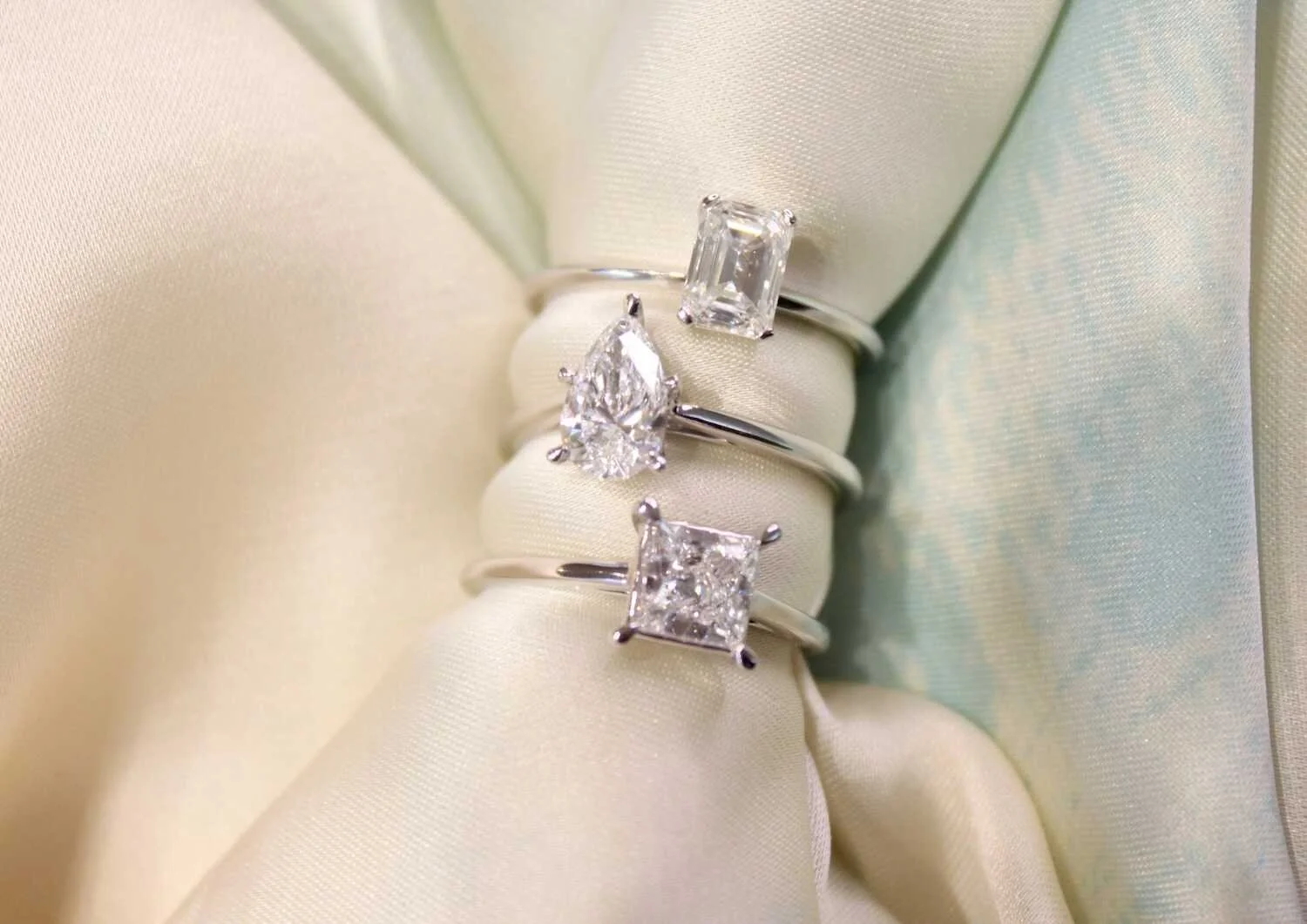
Buying a natural diamond ring can feel overwhelming once the 4 Cs enter the conversation. At first, the terms sound straightforward: cut, color, clarity, and carat. Then pricing starts to move around quickly, and it becomes much less obvious where your money should go.
That’s where a lot of buyers get stuck. The truth is, the best diamond for your budget isn’t always the one with the highest grade in every category. The real skill is knowing where quality matters most to the eye and where you can make practical compromises without changing how the ring looks in daily wear.
How to Balance the 4 Cs on a Real Budget
When buyers begin shopping for an expensive diamond ring, the first instinct is often to aim for the highest grades across the board. That usually isn’t the smartest use of the budget.
The 4 Cs work together, and not all of them carry the same visual weight. Some directly affect what you notice immediately, while others have more impact on price than appearance.
Why Cut Should Come First
If there’s one area worth prioritizing, it’s cut.
Cut affects how the diamond handles light, how bright it appears, and how much brilliance it carries in everyday settings. Even a diamond with strong color and clarity grades can look dull if the cut quality isn’t there. This is often the category that influences first impressions the most.
Best Brilliance regularly guides buyers to protect this part of the budget because it has the biggest effect on naked-eye beauty.
Where You Can Compromise on Clarity
Clarity is often where buyers can save money without affecting how the ring looks. Many inclusions listed on a grading report are only visible under magnification. If those inclusions can’t be seen with the naked eye, paying a premium for a higher clarity grade may not improve the real-world appearance. This is where “eye-clean” becomes more useful than chasing the highest possible clarity score.
At Best Brilliance, many buyers are surprised by how comfortable they feel compromising here once they understand what is and isn’t visible in normal wear.
Being Smart About Color
Color matters, but it doesn’t always need to sit at the very top of the scale.
For many buyers, near-colorless grades still appear bright and white once the diamond is mounted. The setting metal also plays a role in how color is perceived.
White metals often highlight a crisp appearance, while warmer metals can make slightly lower grades feel completely natural.
Carat and Visual Presence
Carat gets the most attention because it’s easy to understand. Bigger sounds better. But visible size depends on more than just weight. Cut proportions and shape influence how large the diamond appears on the hand.
Sometimes a slightly lower carat weight with a stronger cut gives a better overall result than putting the entire budget into size alone.
At Best Brilliance, buyers often end up happier when carat is balanced against cut rather than treated as the main priority.
A Practical Budget Strategy
A useful approach is to rank the 4 Cs in order of visible importance.
For many buyers, that looks something like this:
Cut
Carat
Color
Clarity
This isn’t a universal formula, but it works well when the goal is maximizing what the eye actually notices.
For example, on a fixed budget, protecting cut quality and choosing an eye-clean clarity grade often creates a stronger overall ring than pushing for top grades in every category.
What to Prioritize Based on Budget
With a tighter budget, it usually helps to focus on:
excellent cut
eye-clean clarity
near-colorless color
balanced carat weight
With more flexibility, buyers can increase carat size or improve color without compromising overall appearance.
Avoid Buying by Certificate Alone
One of the most common mistakes is buying based purely on numbers.
The certificate matters, but it doesn’t tell the full story of how the ring will look once worn. Cut performance, metal choice, and viewing conditions all influence the final appearance.
Best Brilliance encourages buyers to think about the ring as a finished piece rather than isolated grades on paper.
Final Thoughts
The 4 Cs are most useful when treated as a balancing tool rather than a checklist.
Cut usually deserves the strongest priority, while clarity is often the safest place to compromise for value. Color and carat should then be adjusted based on how the finished ring is meant to look.
Make decisions based on visible beauty and practical budgeting rather than chasing the highest grade in every category.
FAQs
Which of the 4 Cs matters most?
Cut usually has the biggest impact on visible beauty.
Can I compromise on clarity?
Yes, as long as the diamond is eye-clean.
Is higher carat always better?
Not necessarily. Cut quality strongly affects visual size.
Do I need the highest color grade?
Often no. Near-colorless grades can still look bright and white.
Should I buy based only on the certificate?
No. The finished ring appearance matters just as much.