
How to Style and Care for Your Wig Every Day (Without Losing Your Mind)

Wigs have come a long way. What used to feel like a last resort or a costume piece is now one of the most versatile tools in anyone's hair routine, whether you're dealing with hair loss, want to switch up your look without commitment, or just love the freedom of waking up with perfect hair. But getting the most out of a wig comes down to two things: how you style it and how you take care of it. Get those right, and your wig will look great for months.
Here's everything you need to know.

Start With the Right Foundation
Before you even think about styling, your base matters. If you have your own hair, braid it flat or wrap it close to your head and secure it with a wig cap. This keeps everything smooth so the wig sits naturally and doesn't shift around during the day. A nude-colored cap that matches your skin tone works best — it blends in along the hairline if the wig moves slightly.
If you're choosing between human hair wigs and synthetic ones, this decision shapes everything that comes after. Human hair wigs behave exactly like your natural hair: you can blow-dry them, curl them, flat-iron them, and even color them. Synthetic wigs, on the other hand, come pre-styled and hold their shape well with minimal effort, but most can't handle heat. Knowing which type you have changes how you approach every step of daily wear and care.

Everyday Styling Tips That Actually Work
For human hair wigs
For human hair wigs, the good news is that your usual styling tools apply. Use a heat protectant spray before any hot tool, keep your flat iron or curling wand at a moderate temperature (around 180°C / 350°F is usually safe), and work in sections just like you would with your own hair. The results look completely natural because the hair is exactly that — natural.
Want to refresh the style between wash days? A light spritz of water mixed with a small amount of leave-in conditioner brings the hair back to life. Scrunch it in gently and let it air dry, or use a diffuser on low heat.
For synthetic wigs
For synthetic wigs, resist the temptation to reach for the curling iron unless the label specifically says "heat-friendly." Instead, use a wide-tooth comb or a wig brush (never a regular
bristle brush — it causes frizz and breakage) to detangle from the ends up toward the roots. Fabric softener diluted in water works surprisingly well as a detangling spray for synthetics.
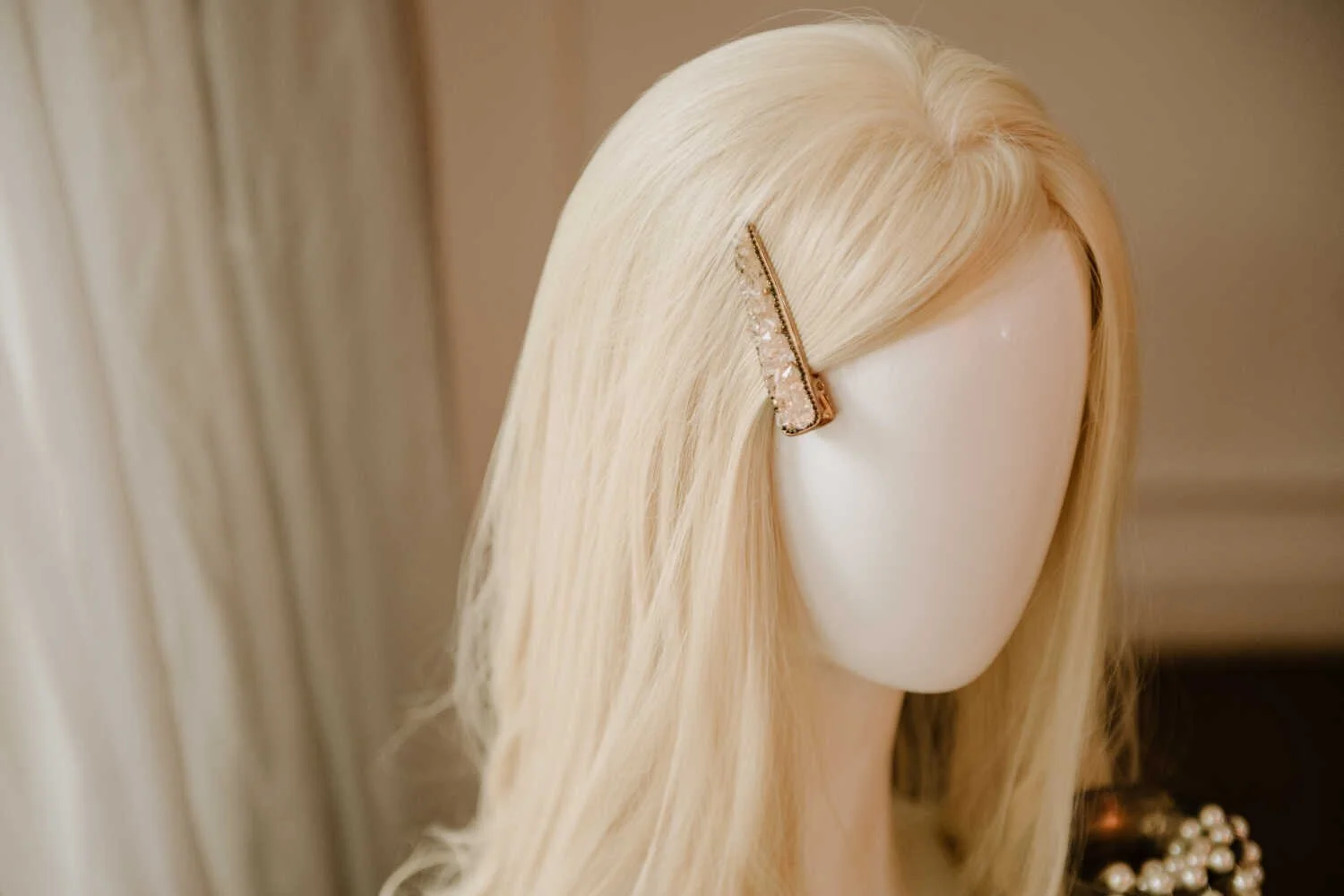
Regardless of wig type, store it on a wig stand when you're not wearing it. Leaving it crumpled in a drawer is how you end up with a tangled, misshapen mess you don't want to deal with on a Monday morning.
How Often Should You Wash It?
This depends on how often you wear it. A good general rule: wash your wig every 10 to 15 wears. If you use a lot of product or live somewhere humid, you might need to wash it a little more frequently.
For human hair wigs, use a sulfate-free shampoo and a moisturizing conditioner. Fill a basin with cool water, submerge the wig, and gently work the shampoo through the hair without rubbing or bunching it up. Rinse thoroughly, apply conditioner from mid-length to ends, leave it for a few minutes, then rinse again. Press out excess water with a towel — never wring — and let it air dry on a stand.
For synthetic wigs, the process is similar but use products specifically designed for synthetic fibers. Regular shampoo can strip the coating that gives synthetic hair its softness and shape.

Mixing Wigs Into a Broader Hair Routine
A lot of people don't realize that wigs, hair toppers, and hair extensions aren't competing options — they work together depending on what you need on a given day.
Hair toppers are a great middle ground if you have thinning at the crown but still have enough hair around the sides and back. They clip on at the top and blend seamlessly with your natural hair, adding volume and coverage exactly where you need it. They're lighter than a full wig and easier to style quickly in the morning.
Hair extensions — clip-ins especially — work best when you want added length or thickness and your natural hair is in good shape overall. Clip them in, style everything together, and you're done in minutes. The key is choosing extensions that match your natural texture so the blend is invisible.
When your hair needs a full break — from heat, from color, from stress — a human hair wig becomes your best friend. It lets your real hair rest underneath while you still walk out looking put-together. Think of it less as hiding your hair and more as giving it a vacation.
Small Habits That Make a Big Difference
A few things that experienced wig wearers swear by:
Keep the inside of your wig clean. Dry shampoo spritzed inside the cap absorbs oil and keeps it fresher between washes. Avoid touching the hair constantly throughout the day — the oils from your hands transfer to the fiber and cause buildup. And when you take the wig off, finger-comb it gently before putting it on the stand so it keeps its shape overnight.
If the wig has a lace front, use a small amount of got2b Glued or a wig adhesive along the hairline for a secure fit that doesn't move. Remove it at night with an oil-based makeup remover so you don't stress the lace.
The Takeaway
Wearing a wig every day doesn't have to be complicated. Once you find a style you love and get your care routine down, it becomes second nature, as easy as brushing your teeth. Whether you're reaching for a full human hair wig, clipping in hair extensions for extra volume, or adding a topper for coverage at the crown, the basics are the same: handle with care, store properly, and don't skip wash day.
Good hair is good hair, regardless of where it came from.