
How to Prepare for Liposuction and Plan Your Recovery
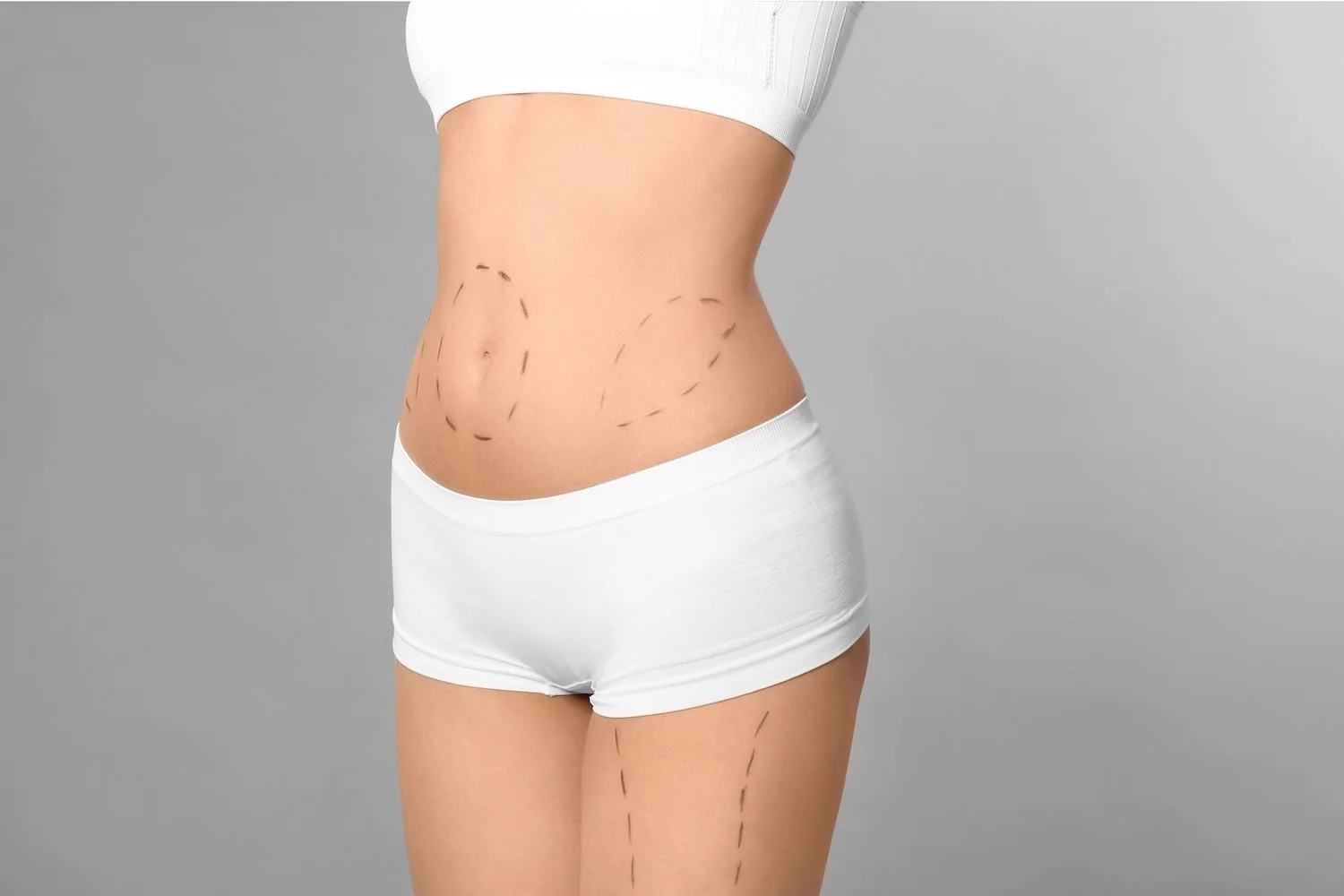
Most people book liposuction with the after photo in mind, and hardly anyone pictures the Tuesday afternoon three days later, when the compression garment itches and there is nothing in the fridge. That gap between the decision and the ordinary reality of healing is where most of the frustration lives. The procedure itself might take two hours. The recovery runs for weeks, and it is the part a patient has to manage alone.
Liposuction removes stubborn deposits of fat that will not shift with diet or training. The Canadian Society of Plastic Surgeons is refreshingly blunt about the point of it, describing the procedure as a way to refine body contours rather than a route to major weight loss, and noting that results hold up best in patients with reasonably good skin elasticity. Knowing that before booking changes how someone prepares, because the goal shapes the plan.
Preparation is not complicated, though it is specific. Some things need sorting weeks ahead, some need buying, and one surgeon's instructions will not match what a friend heard elsewhere. What follows is the general shape of it, and the surgeon's own sheet always wins.
Getting the Groundwork Done Early
The consultation is not a sales meeting, or at least it should not be. It is where a surgeon decides whether the procedure suits the body in front of them, and that decision runs on what the patient discloses. Full medical history, every medication, supplements, past reactions to anesthesia, plus tobacco, alcohol and recreational drug use, since all three change how a body handles anesthesia and pain medication.
Nicotine deserves its own paragraph. It narrows blood vessels, slows wound healing and raises the odds of complications at the incision sites, which is why most surgeons want it gone weeks before the date rather than the night before. Blood thinners and anti-inflammatories such as aspirin usually come off the list about a week out, but only on the surgeon's say-so, since stopping a prescribed medication without instruction creates a different problem entirely.
Choosing the surgeon is the other half of the groundwork: credentials, facility accreditation, galleries of patients with a similar build, and a straight answer about how many of these the surgeon performs each year. Anyone comparing options for liposuction toronto will find no shortage of clinics, and the differences between them matter far more than the gap in quoted price. Weight should be stable beforehand, not mid-diet and not mid-gain.
Setting Up the House and the Calendar
Downtime is the thing patients underestimate most. Plenty of people return to desk work within a few days, though anyone whose job involves lifting, standing all day or physical labor should plan on longer. Booking a week off and finishing early is a far better position than booking two days and begging for more.
Someone has to drive the patient home, and someone should stay through the first night, which is standard for any procedure involving sedation or general anesthesia. Beyond that, the useful preparation is unglamorous: groceries and easy meals in the freezer, prescriptions filled before the surgery rather than after, extra pillows, a water bottle within reach of the bed, and clean towels somewhere accessible.
Clothing matters more than it sounds. Compression garments go on immediately and stay on for weeks, so everything worn over them needs to be loose and soft. The same logic that makes post-surgical dressing so awkward for new mothers applies here: high waistbands, forgiving fabric, no zipper sitting on a sore spot. Two garments beat one, since laundry does not stop for recovery.
The First Two Weeks of Recovery
Swelling is the headline. Bruising, tenderness, numbness across the treated area and a general sense of having been through something are all normal, and they tend to peak a few days in rather than on day one. Small incisions may leak fluid for a day or two, which looks alarming and usually is not. Pain gets described as deep muscle soreness more often than anything sharp, and it responds well to whatever the surgeon prescribes.
The compression garment does real work. It controls swelling, helps the skin settle against the new contour, and reduces the risk of fluid collecting under the surface. Wearing it exactly as instructed is probably the highest-value thing a patient does during recovery, and pulling it off early because it is uncomfortable is a genuinely bad trade.
Easing Back Into Normal Life
Most patients feel noticeably better in the second week and reasonably normal by the third or fourth. Exercise returns in stages, with light cardio usually cleared before heavy lifting, and the surgeon sets that timeline based on how much was treated and how the healing looks at follow-up. Skipping a follow-up appointment because everything feels fine is a habit worth breaking.
Final results take patience. Residual swelling can linger for months, and the true contour often does not appear until somewhere between three and six months out. A handful of symptoms warrant a call rather than a wait: fever, spreading redness around an incision, pain that worsens instead of easing, or swelling in one leg.
Liposuction is a real operation, and the patients who do best treat it that way. They ask awkward questions at the consultation, follow the pre-operative instructions to the letter, clear the calendar honestly instead of optimistically, and accept that a compression garment is going to be part of daily life for a while.
None of that is dramatic. It is logistics, mostly, and the logistics are what stand between a smooth recovery and a miserable one. Fat cells removed from a treated area do not grow back, though the remaining ones can still expand, so the eating and movement habits that supported the decision need to carry on past it.