
How to Plan a Fun One-Day Electric Bike Trip in California
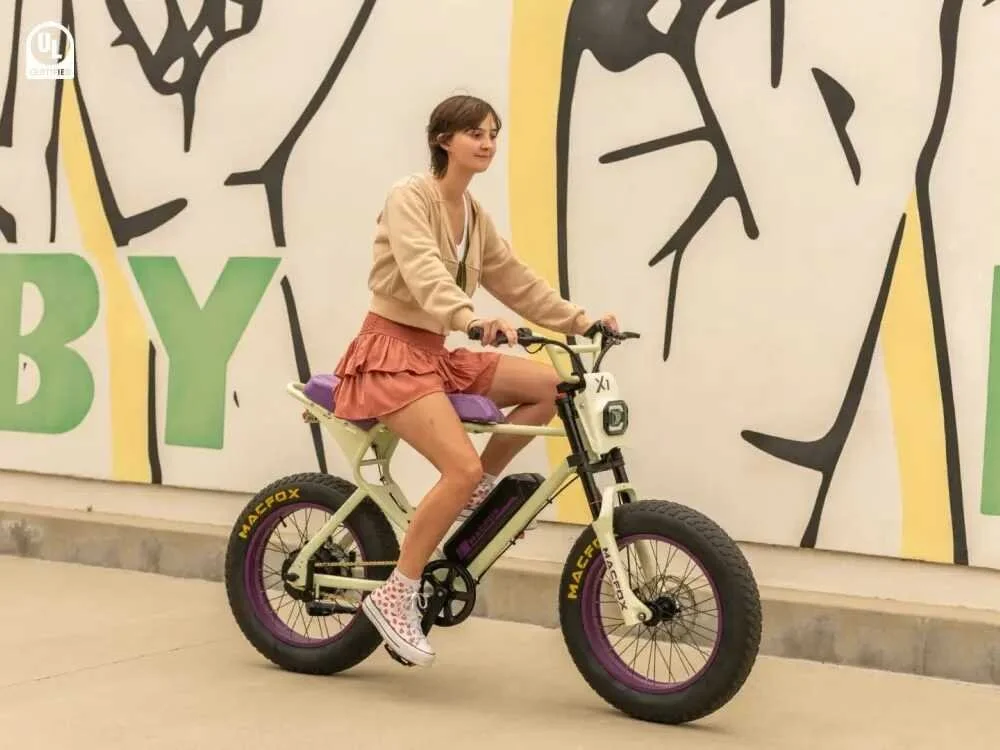
For most people, the best kind of one-day trip is not one that tries to cram in too much, but one with great scenery, easy parking, simple road conditions, and coffee or lunch stops along the way. That kind of plan fits the pace of a California weekend much better, and it also makes it easier to take photos, rest, and actually enjoy the day. Especially around the coastline, small towns, and parks, many people already like to combine riding with brunch, a coffee stop, or a walk by the beach. That kind of full-day experience often feels much more enjoyable than simply riding from place to place.
Check California e-bike rules first, then decide where to ride
Before planning a one-day electric bike trip in California, you should first make sure what class of e-bike you are riding, and whether your destination actually allows it. The California DMV clearly states that Class 3 e-bike riders must be at least 16 years old and wear a helmet, and whether a Class 3 e-bike can use a bike path may also depend on local rules. California also requires all bicycle riders and passengers under age 18 to wear helmets.
More importantly, many people assume that if there is a trail, they can ride on it. In reality, within the California State Parks system, e-bikes are not automatically allowed on all trails. In many places, they are only permitted on public roads or in areas specifically opened by park management. The actual access usually depends on the park unit or a superintendent’s order. In other words, when planning your route, you should not rely only on social media photos or a green line on a map app.
It is better to check the park’s official website in advance to confirm whether bicycles or e-bikes are allowed. The biggest benefit of doing this is avoiding the situation where you arrive and realize you cannot ride there, or where a relaxing day trip suddenly has to be changed at the last minute.
How to choose the right route
California has many places that are suitable for a one-day electric bike trip, but the terrain and riding conditions vary a lot from one area to another. If you do not choose your route based on the local landscape, it is easy to end up with a place that looks beautiful in photos but feels tiring once you actually ride it. When planning, it helps to start by judging the route based on a few common terrain types:
Coastlines and seaside towns
These areas usually offer the best scenery and are also the most suitable for a relaxed kind of day trip, such as looking at the ocean, taking photos, getting coffee, and walking around town. But common issues near the coast are strong wind, intense sun, and more headwind in the afternoon. Because of that, these routes are often better for a morning start, with the total distance kept moderate and the focus placed more on enjoying stops along the way.
Urban greenways and community bike paths
These routes usually have smoother riding conditions and easier access to food, parking, and restrooms, so they are often a better fit for beginners, families, or people who want a more casual outing. The advantage is that parking, meals, and bathroom breaks are much easier to arrange. The downside is that the scenery may not change as dramatically as it does by the coast, but overall they are a more reliable option.
Foothills, outer park roads, and fire roads
These areas often have more open views and feel more like California’s outdoor landscape, with hillsides, scrubland, oak trees, and dirt-road scenery that feel very local. But these routes also commonly come with climbs, loose gravel, dust, strong sun exposure, and fewer places to stop for supplies. They are better suited to riders with some experience and are not usually the first choice for a purely relaxing day trip.
Wine country, farmland, and open valleys
Places like Napa, Sonoma, or areas around the Central Valley may look perfect for a slow ride, but it is worth noting that these roads are often very exposed, hotter after midday, and sometimes do not have especially wide bike lanes. The advantage is that the scenery feels calm and pleasant, with a slower overall pace, making them a good fit for combining riding with lunch or a walk near a winery.
So when planning a one-day electric bike trip in California, it is not just about asking which place is famous. It is about asking whether that landscape fits your energy level, your companions, and the kind of pace you want that day. A truly fun day trip is not about going to the most popular place, but about going somewhere that feels just right to ride.
Plan your start time like a local: ride early, slow down in the afternoon
In California, one-day e-bike trips usually work best when you start early. That is not because you need to ride for a very long time, but because heading out earlier helps you avoid parking pressure, afternoon wind, midday sun, and crowds on popular routes. Especially near the coast or around popular parks, weekend parking tends to get harder later in the day, and the overall experience can start to feel more crowded. A more comfortable rhythm is usually to head out in the morning, ride the first section, then stop somewhere between 10 a.m. and noon for coffee or brunch.
After that, the afternoon can slow down and be used for photos, sightseeing, lunch, or walking around small shops. That kind of plan does not feel rushed, and it matches how many people actually spend a day out in California coastal towns.
On a practical level, starting early also makes it easier to manage both battery use and your energy. Ride a bit more while you feel strongest in the morning, then scale back once the weather gets hotter and the wind picks up in the afternoon.
For a day trip, a combination of riding + eating + exploring a small town + enjoying the scenery is often much more fun than trying to stay on the bike the entire time.
You do not need to bring too much gear, but these items really help
A one-day electric bike trip in California does not require the kind of heavy preparation you would need for long-distance riding, but there are a few things that are absolutely worth bringing. The first is a helmet. That is not just a basic safety habit; for riders under 18, it is also a legal requirement, and the rules are stricter for Class 3 riders. The second is sun protection, including sunscreen, sunglasses, and a light outer layer.
In many parts of California, the weather may look mild, but the UV exposure is strong, especially along the coast and on open stretches of road. After one or two hours of riding, the difference becomes very obvious. The third is water and a few simple snacks, because on some scenic routes it is not as easy to buy water mid-ride as people expect. The fourth is a phone mount, or at least downloading offline maps in advance, so you do not end up trying to navigate in an area with weak signal. The fifth is a lightweight lock. If you plan to stop for coffee, lunch, or a walk by the beach, it becomes very useful.
For an e-bike, it also helps to bring a charger, especially if your route already includes a lunch stop or an afternoon coffee stop. Being able to top up the battery a little while you rest can make the ride back feel much more relaxed.
It is the food and rest stops that make a one-day trip truly “fun”
When many people plan a one-day electric bike trip in California, they focus too much on the route itself. But what often determines whether the day is actually fun is where you stop along the way.
California is especially well suited to combining riding with food and drink, particularly in seaside towns, neighborhood commercial streets, and areas around scenic spots. Instead of riding straight through without stopping, it is often better to plan one or two interesting breaks in advance, such as a well-reviewed coffee shop, a brunch place with comfortable outdoor seating, a scenic stop for ocean views or sunset, or a small-town main street where you can casually walk around.
The benefits are very clear: first, the day does not feel repetitive; second, everyone coming along does not need to be a serious rider to enjoy it; and third, it gives you space for battery management, rest, and photos. For travel or lifestyle content, writing the trip this way as route + stops also feels more natural and less like a pure guide.
Weekend outings in California already tend to value rhythm and atmosphere. Many times, people are not rushing to check off sights. They are trying to combine weather, scenery, food, and a sense of ease. And that is exactly the kind of experience a one-day e-bike trip is best suited for.
Riding etiquette and safety details will directly affect the whole day’s experience
When riding an e-bike in California, it is not just about whether you know how to ride. What matters just as much is whether you understand basic trail and road etiquette. Many parks and bike routes emphasize that cyclists should yield to pedestrians and horses, and some areas may also have temporary restrictions after rain, especially on muddy routes, fire roads, or certain park trails.
For a day trip, these are not just formal rules. They directly affect the quality of the experience. If you move too fast through busy areas, pass too closely, or handle shared trails and intersections poorly, it does not just affect others. It can also turn a relaxed day into a tense one.
A more practical approach is to slow down in popular sections, signal in advance when passing people on foot, and check on-site signs before entering any trail where access is unclear, rather than assuming it is fine. This is especially important in the state parks system, where bike and e-bike access rules often vary from one park to another. The same goes for safety.
A successful day trip is not just about avoiding a crash. It also means knowing your limits, saving enough battery for the return ride, and not forcing your way up an unfamiliar gravel slope just because it looks rideable. Truly enjoyable day trips usually carry a certain relaxed feeling, and that feeling often comes from being well prepared and making calm decisions along the way.
A fat tire electric bike worth considering
The Macfox X1S fat tire electric bike comes with a 500W motor, a top speed of about 20 mph, and a single-battery range of around 28 miles. With the dual-battery version, the range can be extended to about 56 miles. That makes it a fairly good fit for one-day outings, seaside-town rides, or slow-paced trips around the city. It uses 20" x 4.0" fat tires and is equipped with front suspension, an extended seat, and hydraulic disc brakes.
These features can provide a relatively more stable and comfortable riding experience on paved roads, light gravel, and general leisure routes. Overall, the Macfox X1S is not really aimed at high-performance riding or long-distance touring. It is better suited to travel-style riding where scenery, stops, and short-distance movement are all part of the day.
Put the day into a comfortable template at the end
If you want to make this kind of day trip easier to plan, you can use a simple template directly: leave between 8 and 9 in the morning, and finish the most scenic and easiest section of the ride first. Then plan a coffee stop or brunch between 10 and 11.
Around noon, ride the second section, but keep that part shorter and more conservative. Leave the afternoon for a beach walk, a stroll through town, lunch, or simply enjoying the view, and head back while it is still light out. The benefit of this template is that it fits the weather and lifestyle rhythm of most California weekends, and it also works well for photos, meeting friends, or bringing family along. It does not pack the day too tightly, but it also does not feel so loose that there is no focus.
For people trying this kind of trip for the first time, it is much more reliable than just deciding where to ride on the spot. And for people who already go out on weekends often, it is flexible enough to be adjusted for coastal areas, foothills, small towns, or routes around parks.
At the end of the day, a fun one-day electric bike trip in California is not successful because you rode the farthest. It is successful because the route, rules, weather, rest stops, and riding pace all feel just right, so the whole day feels easy, enjoyable, and worth doing again.