
How to Create a Security Plan for Your Office
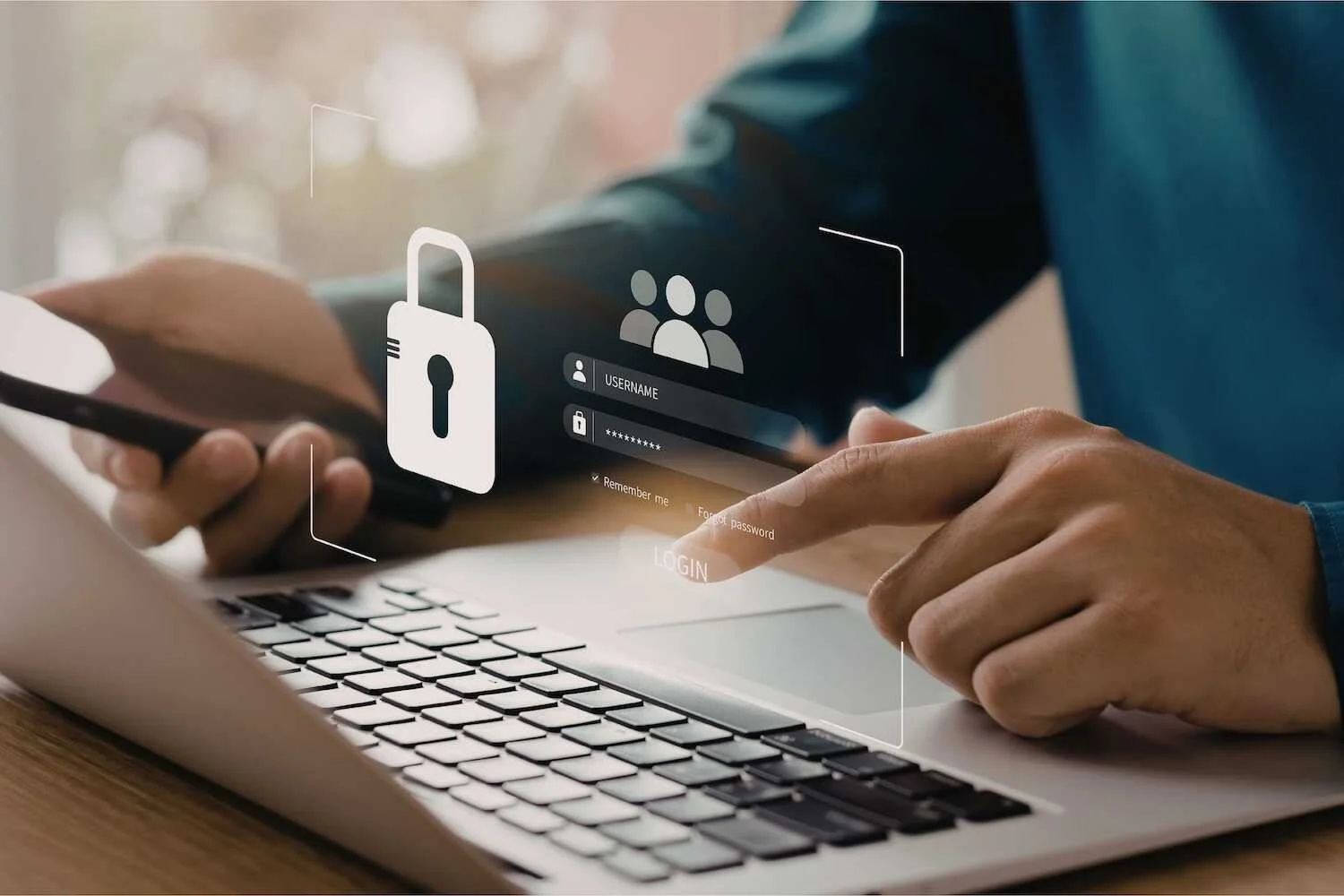
A strong security plan is essential for any office today. With threats such as data breaches and theft, protecting your employees and assets is crucial. Security involves more than just locks and cameras; it requires a complete approach that includes preventive measures, employee training, and regular reviews. A good security plan not only keeps everyone safe but also helps staff feel secure, letting them focus on their work without worry.
Creating a security plan might seem overwhelming, but you can break it down into smaller steps to make it easier. Assessing risks and using modern technology will help you prepare for security challenges. Here’s how to create a security plan that protects your business and makes your team feel confident.
Risk Assessment
The first step in developing a strong security plan is identifying potential risks. Start by thoroughly assessing your office space. Look for potential breach points, such as doors, reception areas, and digital access. Consider both external threats, such as burglary and vandalism, and internal threats, such as unauthorized access to confidential information.
Involve your team in this assessment. They can share feedback on any security issues they’ve noticed or situations that made them feel unsafe. This teamwork not only improves your assessment but also encourages employees to take part in maintaining security. After identifying risks, rank them by potential impact and likelihood. This ranking will guide your security measures.
Implementing Security Measures
After understanding your risks, the next step is to put in place security measures that address those threats. Start with physical security through access control. Ensure only authorized personnel can access sensitive areas by using key cards or biometric systems. These tools track who enters and exits and set clear boundaries for restricted areas.
Investing in surveillance systems is also important. Modern CCTV systems enable remote monitoring and high-definition recording, critical for incident response. Don’t forget the importance of human security. Having a door supervisor London can enhance your security. This person monitors access points, greets visitors, and ensures everyone follows the proper protocols. A friendly face at the door helps create a sense of safety and discourages unauthorized access.
Training and Awareness
To keep your workplace safe, proper employee training is crucial. Make sure your staff knows emergency procedures. Conduct regular drills for situations such as fire evacuations, lockdowns, and active shooter events. When everyone understands their role and what steps to take, it can save lives and reduce chaos during emergencies.
Training also includes cybersecurity practices. Regular sessions on recognizing phishing attempts, creating strong passwords, and properly handling sensitive information can significantly lower the risk of data breaches. Encourage a culture of awareness in which employees feel comfortable reporting unusual behaviours or suspicious activities without fear of overreacting.
Regular Review and Updates
Your security plan needs ongoing review to stay effective against new threats. Schedule regular checks to see how well your security measures work and adjust them as necessary. This proactive approach helps your security plan adapt to changes in technology, regulations, or threats.
Getting feedback from staff can reveal ways to improve. Consider an anonymous suggestion box for employees to share concerns or ideas about workplace safety. Highlighting the importance of security encourages teamwork and keeps the topic relevant.
Emergency Response Planning
An essential part of your security plan is creating an emergency response protocol. This should provide clear steps for various situations, so employees know what to do during emergencies. Include details about evacuation routes, meeting points outside the building, and how to communicate with authorities.
Sharing these protocols with your team helps everyone feel prepared and calm. Use visual aids like posters or digital reminders in common areas to reinforce this information. Review these plans during team meetings to keep them top of mind for everyone.
Final Touches
While implementing corporate security services, remember to create a positive atmosphere. A friendly, welcoming space encourages open discussion of safety concerns and promotes a culture of vigilance. When employees feel supported and involved in security efforts, they become valuable partners in enhancing workplace safety.
A proactive, thorough security plan not only protects your assets but also fosters a sense of community in your office. By taking the right steps, you can create an environment where everyone feels secure and can focus on their work with peace of mind.