
How to Choose a Galapagos Itinerary: What the Route Map Doesn't Tell You
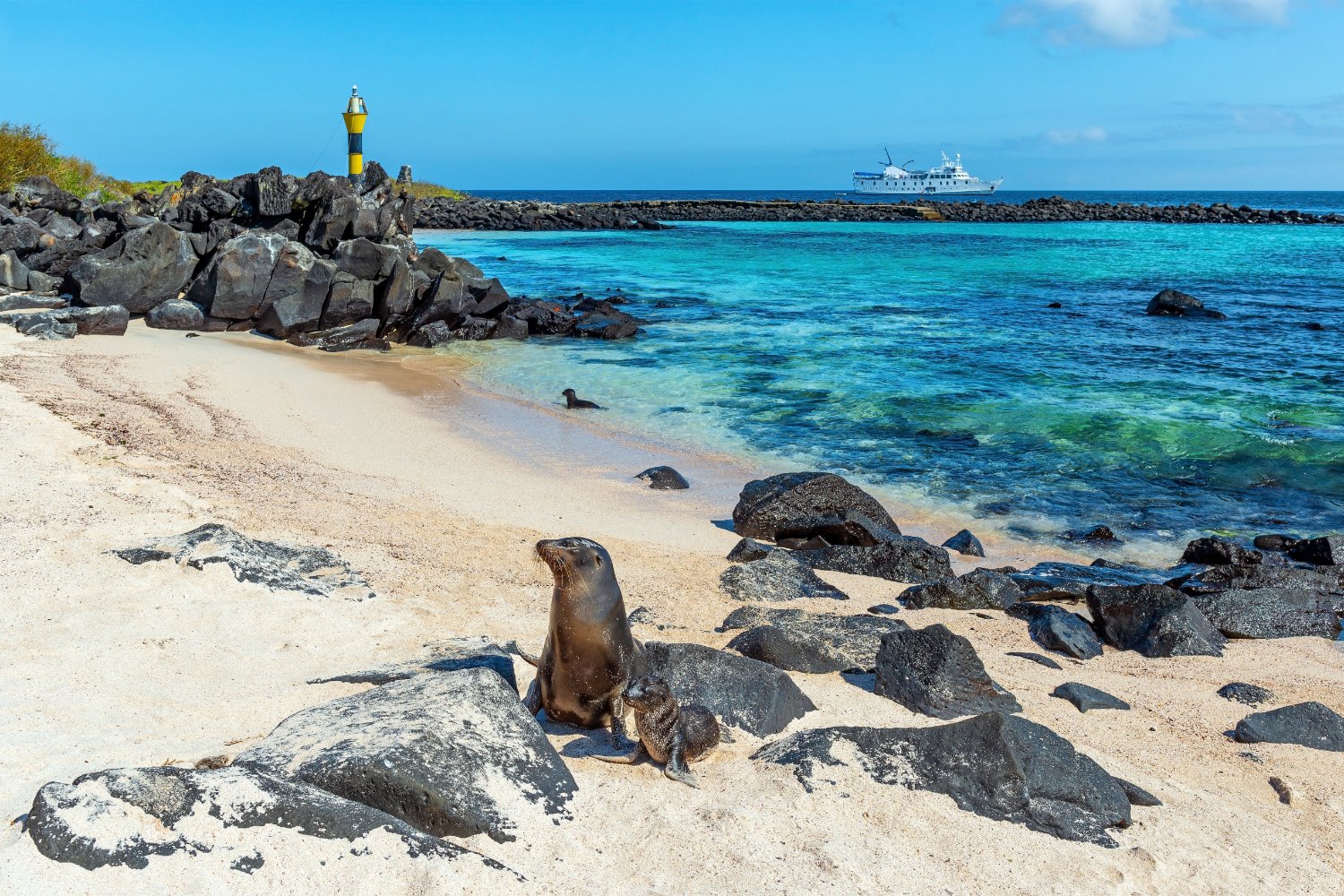
Two ships. Same seven nights. Same archipelago. One of them puts you on a panga at sunrise with a sea lion pup in the frame, and the other spends half the week motoring between islands you barely set foot on. The difference isn't the boat. It's the itinerary, and almost nobody reads it properly before they pay.
Here's the honest version of how to pick one. A Galapagos itinerary is a logistics document disguised as a brochure. Once you know which numbers matter, the decision gets a lot less romantic and a lot more obvious. If you want to see how a well-built route actually reads end to end, a luxury galapagos cruise page usually lays out the island sequence, excursion types, and daily rhythm in enough detail to compare against other operators. I'd start there, then work backward.
The short answer: judge the route by how many landing sites you get, how far apart the islands are, and how many people share your naturalist guide. Everything else is upholstery.
Why the island sequence matters more than the ship's age
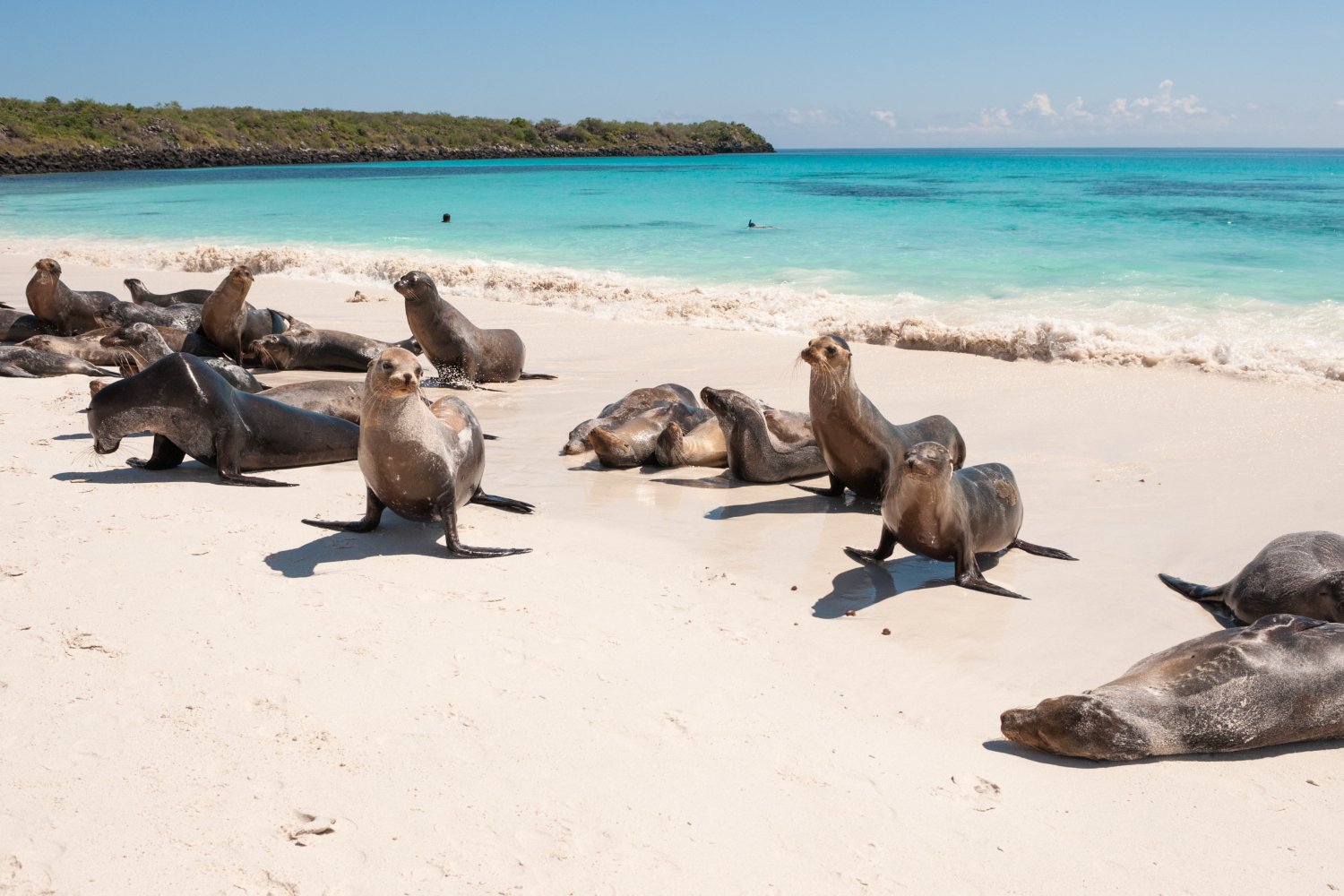
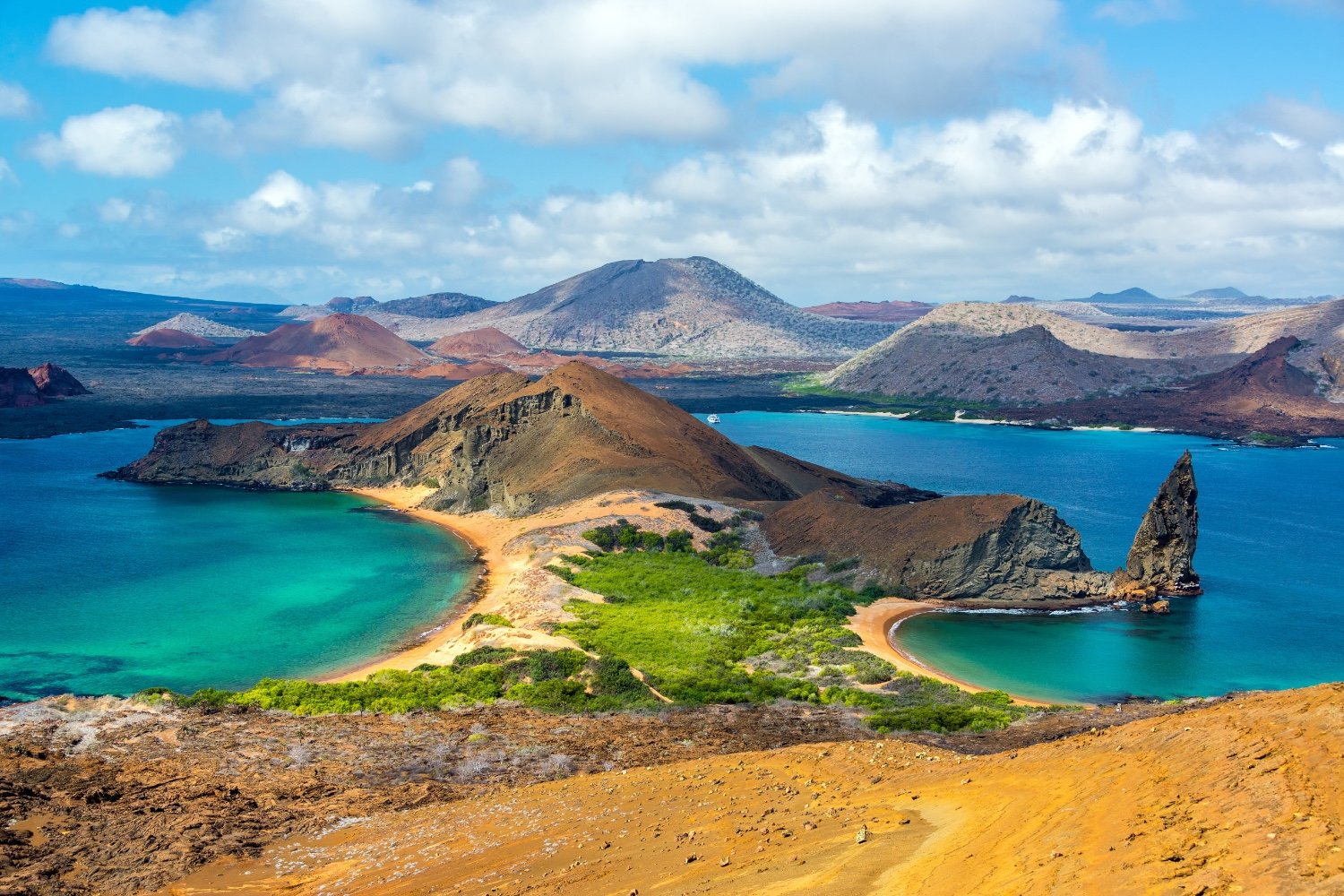
The Galapagos rewards short hops. A route that clusters you around Isabela, Fernandina, and Santiago means shorter transit legs and more time on land. A route that zigzags from Española to Genovesa to Floreana eats hours in open water, and those hours come out of your excursion time, not the crew's.
Most reputable operators publish a daily breakdown: morning landing, afternoon landing, snorkel site, transit time. Read it like a schedule, because that's what it is. Count the landings. A strong seven-night itinerary hits two a day most days. A weak one quietly folds in a "scenic navigation" afternoon, which is a polite way of saying you'll be looking at an island from the deck instead of walking on it.
Charles Darwin's observations here shaped his thinking about how species change over time, and the national park that protects the islands now manages visitor sites to keep that comparison possible for the next century. The Galapagos National Park is the body that governs which sites ships can visit and how often, which is why two boats with similar marketing can have wildly different access. Check what's actually approved on your dates, not what's on the glossy PDF.
Is a smaller ship always better? Mostly, but not for the reason people think
It's not about exclusivity. It's about turnaround speed. A pangas-only operation with sixteen guests
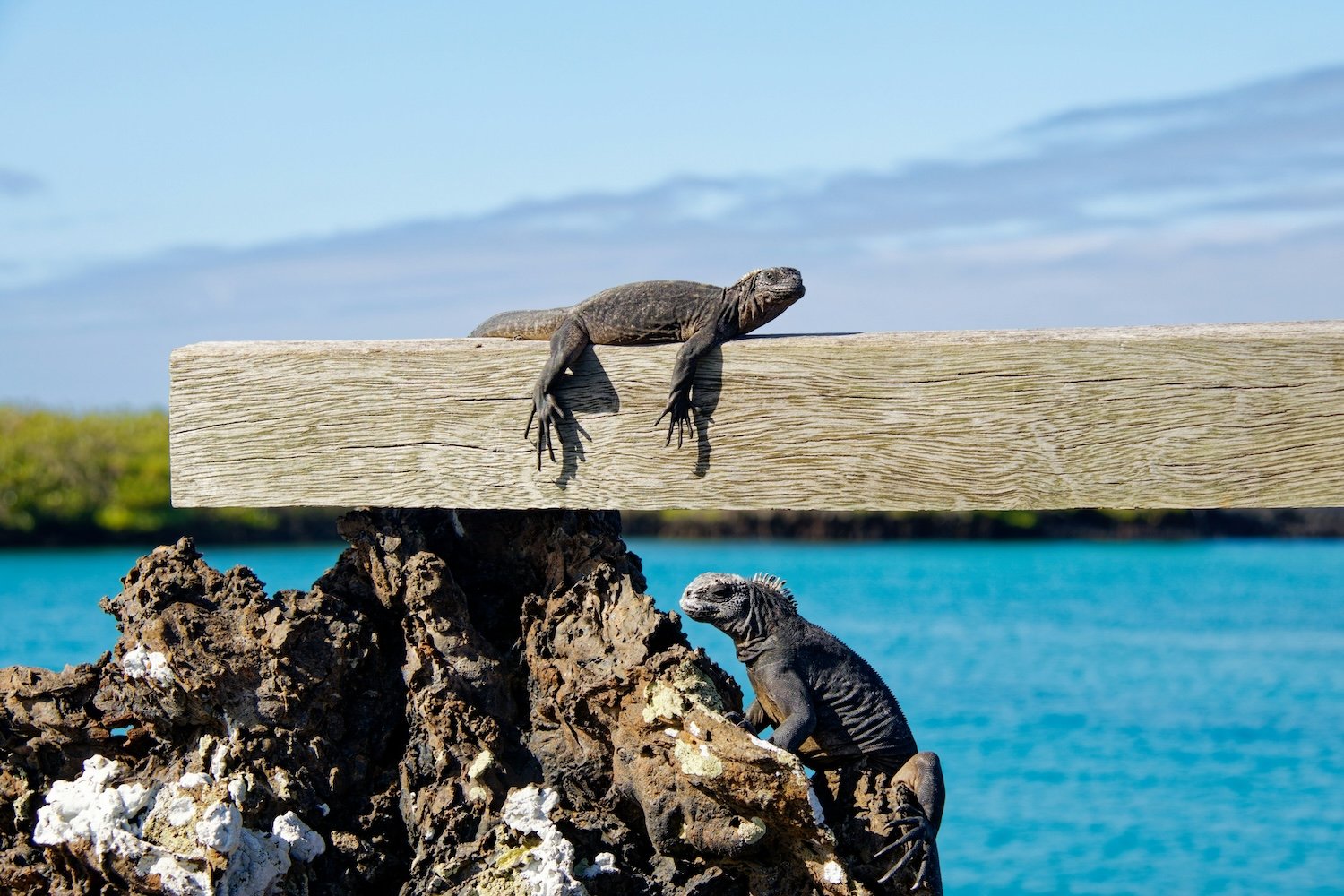
can load, land, and be back aboard before a larger vessel has finished its first boat rotation. That extra hour on a trail is where the tortoises, flightless cormorants, and marine iguanas actually happen.
Guest-to-guide ratio is the number I'd check first. Eight guests per naturalist guide is a very different trip than sixteen. You get more questions answered, more time at a single wildlife encounter, and a guide who can read the group instead of herding it. Ask the operator directly. If the ratio isn't published, that tells you something.
The three-number test:
I use this before recommending any Galapagos route to friends. It takes ten minutes and filters out half the options.
● Landings per night. Divide total excursions by nights aboard. Below 1.5 per day, the route is doing too much sailing.
● Guests per guide. Under 12 is good. Under 10 is genuinely better. Under 8 is rare and worth paying for.
● Longest transit leg. Anything over six hours in open water in a single stretch means a lost morning. Ask the crew to be specific.

A route I'd book myself, and why
A few years back I mapped two competing seven-night itineraries side by side on a kitchen table, one western loop and one eastern, and the eastern one looked better on paper. More famous islands, better photos in the brochure. It was the wrong call, and I only figured that out by counting the landings.
The western route won on the metric that mattered: two excursions a day, one transit leg over four hours, and a guide ratio of eight. The eastern option had a nine-hour crossing baked in and a "free afternoon" that turned out to be the ship repositioning. Nothing dishonest about it. Just a route built for scenery instead of shore time.
That's the trap. Both trips are seven nights. One feels like a week of fieldwork, the other like a week of watching fieldwork from a deck chair. Decide which one you're paying for before you compare prices, because the fare gap between them is smaller than the experience gap.
What to ask before you put down a deposit
Fire off a short email. Reputable operators answer these without flinching, and the ones that dodge are telling you something useful.
1. Can you send the day-by-day itinerary with landing site names, not just island names?
2. What's the guests-to-guide ratio, and does that hold for a full charter?
3. How many excursions are scheduled on the longest transit day?
4. Which sites on this route are subject to seasonal closures or rotation limits?
5. What happens to the itinerary if a landing site closes mid-voyage?
That last one matters more than travelers expect. Visitor sites rotate, and a good operator has a reroute planned before you ever board. The Charles Darwin Foundation has documented decades of species and habitat pressures across the archipelago, and the practical result is that access can shift on short notice. Flexibility is part of the product, and you should know how the crew handles it.
The season question, settled
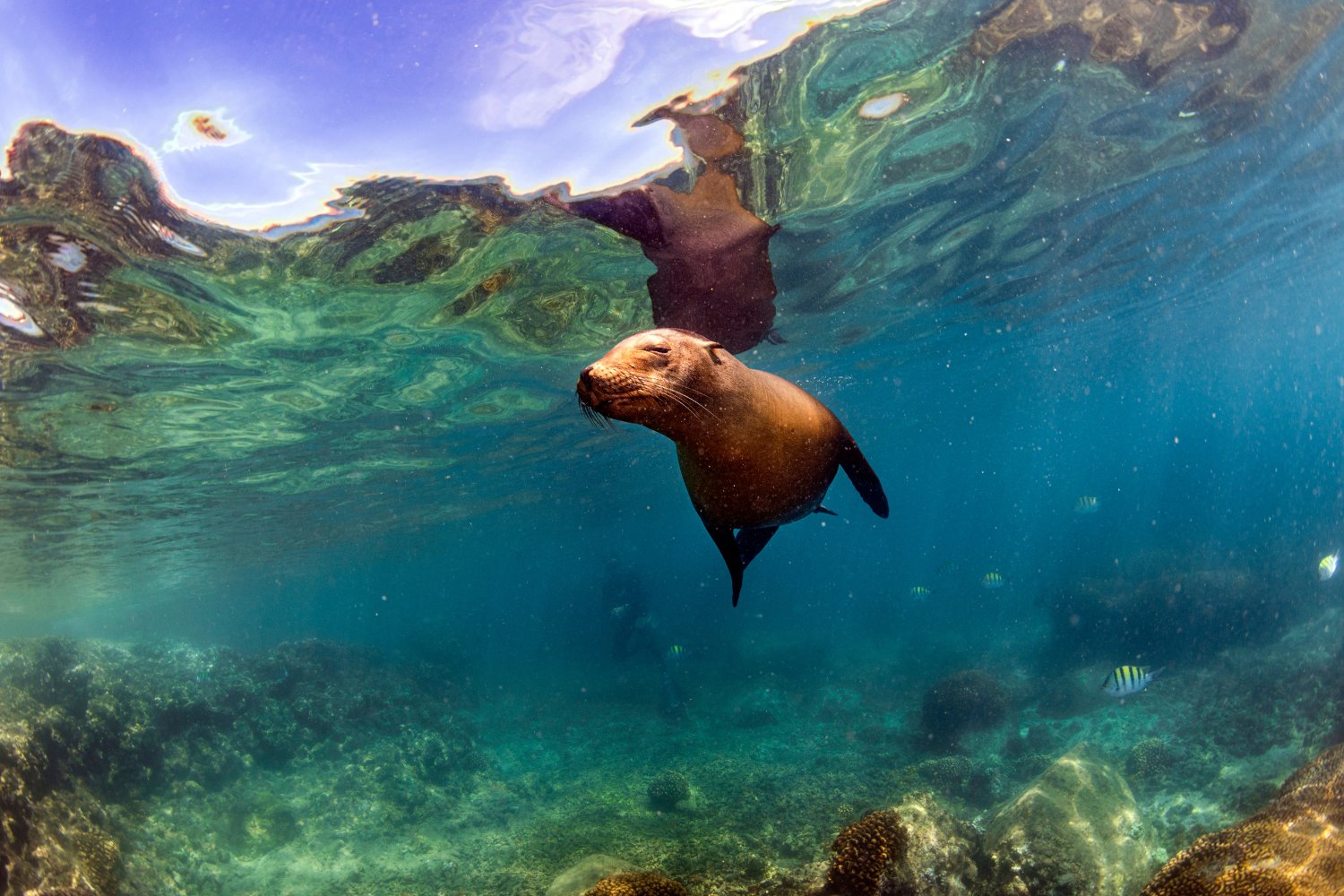
You'll read a lot about wet and dry seasons. The plain truth is that wildlife doesn't follow a tourism calendar. Sea lions pup, marine iguanas nest, and waved albatrosses show up on their own schedule regardless of when you booked. What changes month to month is water temperature, sea state, and how crowded the popular sites feel.
Warmer water months mean gentler crossings and easier snorkeling. Cooler months bring colder water and, in my view, better conditions for the long western transits. Neither is a bad time. Pick the month you can actually travel, then pick the route that fits that month's sea conditions instead of chasing a "best time" article. For broader context on how these island ecosystems sit within global conservation efforts, the University of North Alabama hosts reference material on island biogeography that explains why isolation produces such specific wildlife.
The bottom line
Your Galapagos trip is decided by a spreadsheet, not a photograph. Count the landings, check the guest-to-guide ratio, and ask about the longest transit leg. Do that, and you'll book a week of close wildlife encounters instead of a week of watching the horizon from a lounge chair.
So which number would you check first?