
Flowers and the small joys that make an ordinary day better
Flowers turn an ordinary weekday into a small occasion, and survey data supports that: SAF surveys found that 80% of Americans say receiving flowers makes them happy. You get an easy, repeatable mood lift from a jar of stems on the counter – no holiday required. The habit works the same way when you cut tulips from a backyard bed or pick up a bunch on a walk through New Haven. Below, you will learn why blooms affect us, how to choose them, how to keep them fresh, and what each Connecticut season brings.
Why do a few stems make us smile?
Flowers trigger a genuine emotional response, not just a polite one. In the Rutgers study led by Jeannette Haviland-Jones, all participants expressed "true" or "excited" smiles on receiving flowers, and that reaction appeared in all age groups. The same participants reported feeling less depressed, anxious and agitated afterward. Participants also showed a higher sense of enjoyment and life satisfaction.
Giving pays off too. SAF surveys found that 88% of Americans say giving flowers makes them happy, so the person who picks the bouquet gets a lift as well.
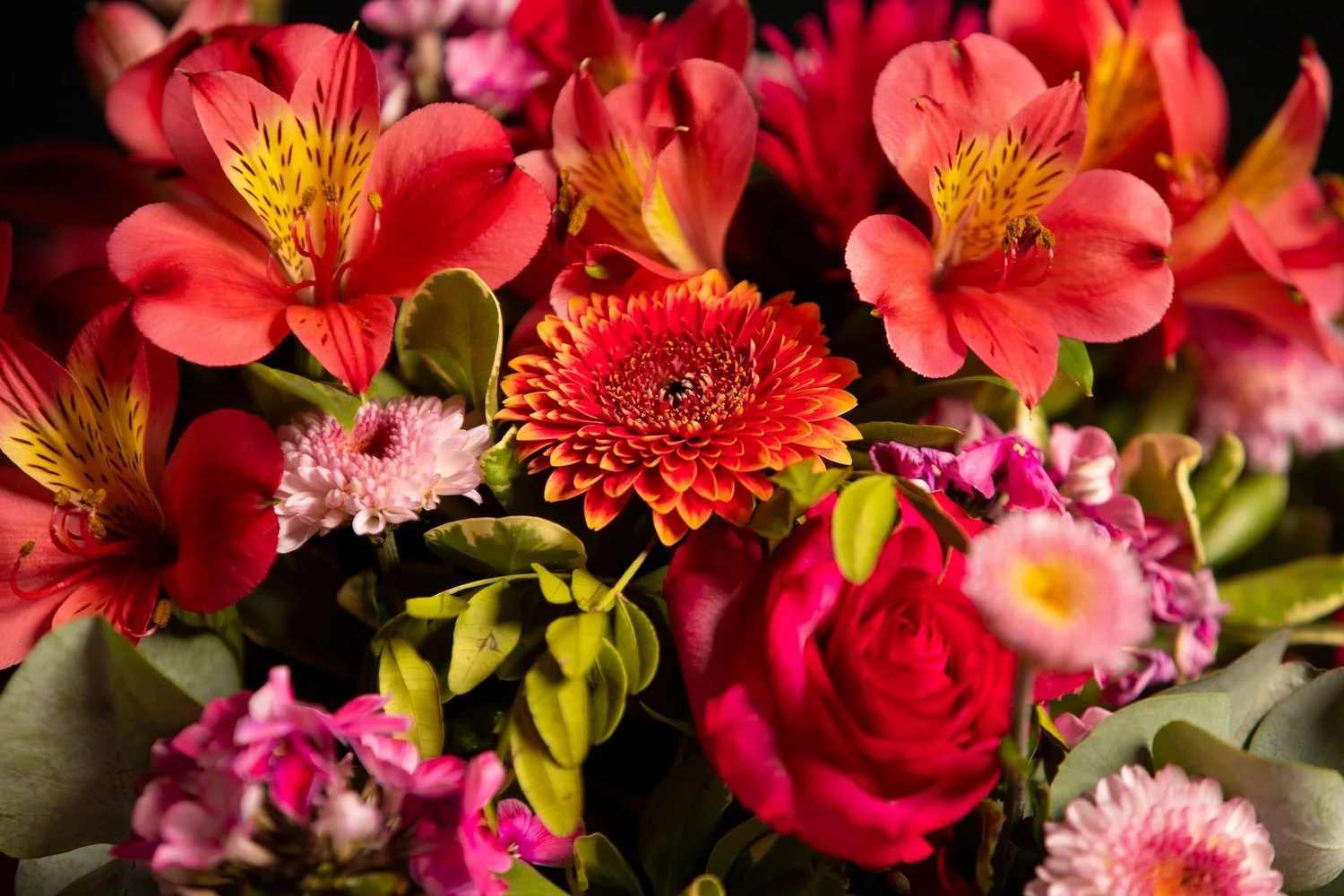
Flowers for no reason at all
Everyday flowers need no occasion, and many recipients prefer it that way. According to SAF surveys, 92% of women say the best reason to receive flowers is "just because." An unexpected bouquet sends a clear message: someone thought of you on a regular day.
Picture a few everyday spots:
A kitchen table with a low jar of daisies that guests can talk over.
A home desk with one stem in a bud vase beside the monitor.
A windowsill with a cluster of tulips catching morning light.
A nightstand with something softly scented, like a sprig of lavender.
How color, shape and scent change a room
Flowers shape the mood of a home through color, form and fragrance. Loose, garden-style arrangements feel relaxed, while tight domes of roses look formal. Scent adds another layer, but a heavy perfume can overwhelm small rooms and dinner tables.
Try a quick test. Stand in the doorway. Does the bouquet pull your eye, or does it disappear into the wall? Contrast helps. Pale blooms stand out against dark walls, and deep reds pop against light ones.
What blooms in Connecticut each season?
Connecticut's four distinct seasons give each part of the year its own palette, and living in New Haven or anywhere else in the state makes that rhythm easy to notice:
Spring: fresh pastels and bulb flowers arrive after a gray winter.
Summer: bright, generous bunches suit long days and open windows.
Fall: warm tones such as rust, burgundy and gold echo the changing leaves outside.
Winter: evergreen branches and richer colors carry the darker months.
Autumn tones suit a fall dinner table, and the same logic works in every season: stems that echo the light and colors outside your window look right in the room.
Choosing flowers for a table or a gift
Match flowers to the space first and to the person second. Run through this checklist:
Height: keep centerpieces below eye level so guests see each other across dinner.
Scent: pick mild or unscented blooms for meals and bedrooms.
Light: choose sturdy stems for sunny rooms, where soft petals wilt faster.
Recipient: favorite colors, allergies and pets matter more than trends.
Vase: a narrow neck holds a few stems upright, while a wide bowl needs volume.
Simple habits that keep fresh flowers looking good
Fresh flowers last longer with clean water, fresh cuts and a cool spot. Follow this routine:
Trim stems at an angle with sharp shears before the first soak.
Strip any leaves that would sit below the waterline.
Change the water often and rinse the vase each time.
Keep the arrangement away from direct sun, heaters and the fruit bowl.
Recut the stems whenever you refresh the water.
If a bloom begins to droop, check the stem first: a fresh cut and clean water are a good first step before you give up on it.
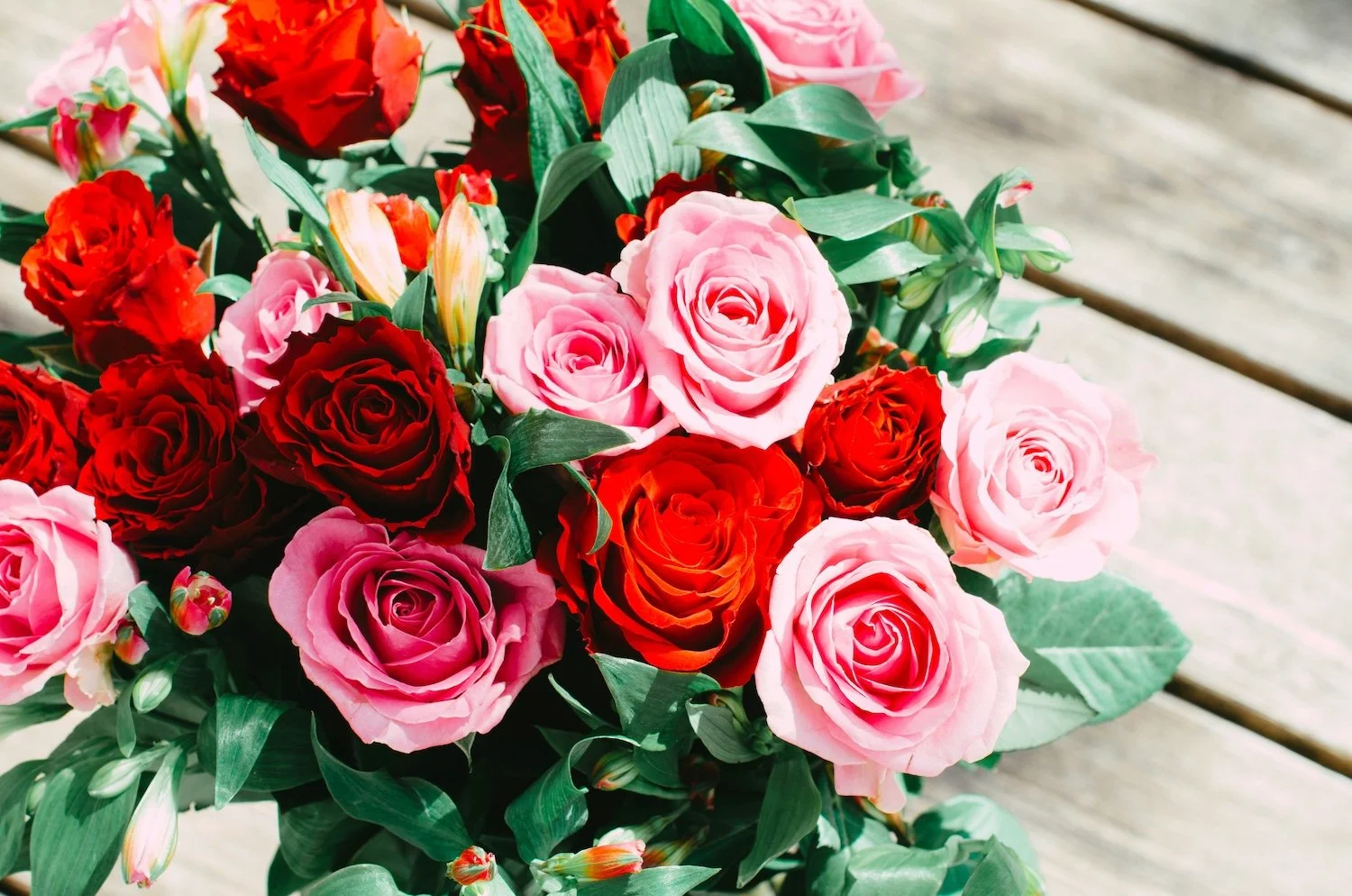
When flowers are the wrong gesture
The Rutgers findings describe how people felt after receiving flowers. The study does not turn a bouquet into a treatment for depression or anxiety. A friend in a hard season needs time, attention and real support, and flowers work only as a companion to that care. Practical limits matter too. Ask a recipient about allergies before you choose a heavily scented bunch. And a quiet person may feel awkward with a huge arrangement delivered to a shared office.
Small gestures, big impact
Small flower gestures show care because they cost attention more than money. A few ideas:
A single stem on a coworker's desk after a rough week.
A bunch of grocery-store tulips on an ordinary Wednesday.
A jar of backyard zinnias for the neighbor who waters your plants.
A small bouquet for a friend who just moved into a new apartment.
Distance does not cancel the gesture: for a "just because" surprise, best flower delivery in New Haven lists more than 624 bouquets and gifts.
Start with one vase
The strongest case for everyday flowers is also the simplest. Flowers are often most welcome when they arrive without a reason. You do not need a perfect arrangement or a big budget. Pick one spot in your home this week, fill one vase with whatever is in season, and notice how the room feels by Friday.