
Enhancing Indoor Air Quality Naturally with Houseplants
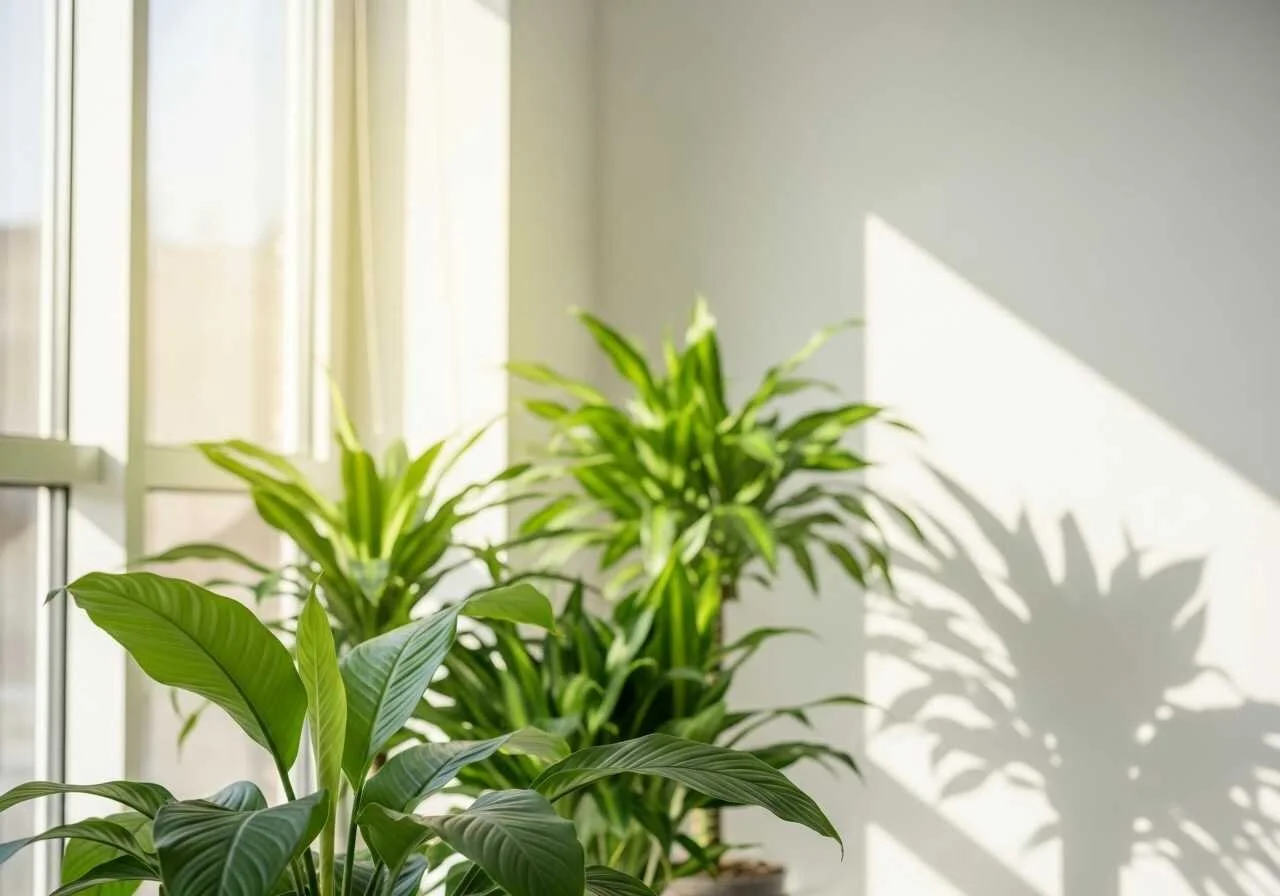
Most people spend roughly 90% of their time indoors, yet indoor air quality remains one of the most underestimated factors affecting our daily health.
What many don't realize is that the air inside our homes can be 2-5 times more polluted than outdoor air, harboring volatile organic compounds (VOCs), formaldehyde, and particulate matter that seep from furniture, cleaning products, and building materials.
The good news? Houseplants provide an elegant, natural solution to tackle these pollutants while enhancing our well-being and transforming our living spaces into healthier environments
The Science Behind Houseplants and Air Purification
When dealing with larger rooms, you might want to buy huge indoor plants that offer expanded leaf surface area and robust root systems for superior purification power.
The way plants clean indoor air is remarkably sophisticated yet beautifully simple. Through their leaves, plants absorb harmful pollutants, channel these contaminants down to their root systems, and transform them into harmless compounds via photosynthesis and the beneficial microbes living in their soil. This creates a living filtration system that works around the clock, establishing a natural air purification network throughout your home.
NASA's landmark research demonstrated that houseplants can eliminate up to 87% of air pollutants in just 24 hours. Their studies revealed plants' impressive ability to tackle specific contaminants—benzene, formaldehyde, trichloroethylene, and countless other harmful compounds. What's particularly fascinating is that the purification process extends beyond the plant itself to include the potting soil and its microscopic inhabitants, which play crucial roles in the overall effectiveness and actually strengthen their pollutant-processing abilities over time.
Key Takeaway: Houseplants act as natural filters via absorption, dilution, and precipitation.
Key Pollutants Targeted by Houseplants
Indoor plants show remarkable effectiveness against several categories of household pollutants:
VOCs like benzene and formaldehyde (both recognized carcinogens)
Trichloroethylene and particulate matter
Carbon dioxide buildup, ammonia, and ground-level ozone
Nitrates and sulfates from various household sources
Health and Well-Being Benefits of Indoor Greenery
The benefits of houseplants extend far beyond air purification. Research consistently shows that indoor greenery reduces stress, elevates mood and productivity, sharpens concentration, and can even accelerate recovery from illness. Plants also help regulate humidity levels, which creates an additional protective barrier against airborne pathogens, including harmful bacteria, fungi, and viruses.
Studies focusing specifically on people with asthma have yielded particularly encouraging results. Researchers documented significant reductions in VOC levels and improved quality-of-life scores within just months of strategically placing plants throughout homes. Time and again, households with adequate plant coverage show measurable decreases in harmful pollutants, translating into real health improvements for everyone living there.
The National Institute of Horticultural & Herbal Science emphasizes that proper plant care—maintaining appropriate temperature, humidity, and watering schedules—is essential for maximizing these health benefits while ensuring your plants thrive for years to come.
Best Practices for Effective Houseplant Placement
Getting the most from your plants requires thoughtful planning and consistent care. Research indicates that 15-18 plants in 6-8 inch pots work well for an 1,800 square foot home, though larger plants deliver significantly better results thanks to their increased leaf surface area and more developed root systems.
Smart placement means positioning plants near known pollution sources—like furniture that might release VOCs—while ensuring proper airflow around root systems. Healthy plants purify more effectively, making adequate lighting, consistent watering, and regular fertilizing crucial for optimal performance. Using a variety of plant species also broadens your pollutant coverage, since different plants excel at removing different types of contaminants.
Placement Tips:
1. Group plants in high-traffic areas where pollutants tend to accumulate
2. Rotate plant positions occasionally for more even coverage throughout your home
3. Keep plants healthy, as their purification abilities actually improve with time
Top-Performing Plants for Air Quality
NASA's testing identified several champions for indoor air purification. Spider plants, golden pothos, and peace lilies excel at eliminating formaldehyde, while chrysanthemums prove particularly effective against benzene. Boston ferns demonstrate excellent all-around purification capabilities, and various dracaena species offer reliable, low-maintenance options for steady air cleaning.
These recommendations stem from extensive NASA research, university studies, and peer-reviewed analyses, ensuring you're choosing plants based on solid scientific evidence.
Addressing Realistic Expectations and Limitations
While houseplants deliver proven benefits, it's important to keep expectations grounded in reality. A 2019 meta-analysis revealed that achieving laboratory-level results would require 10-1,000 plants per square meter—clearly impractical for most homes. However, the real-world benefits remain both valuable and measurable when plants are integrated as part of a comprehensive approach to indoor air quality.
The most effective strategy combines houseplants with adequate ventilation and, when needed, mechanical air purifiers. This balanced approach recognizes that while plants provide substantial benefits, they work best as one component of a well-rounded indoor environment management plan.
Bringing It All Together for Healthier Homes
Houseplants deliver scientifically validated, multi-layered benefits for indoor air quality and overall health when implemented with care and intention. Beginning with easy-care varieties and gradually expanding to larger setups allows you to experience firsthand improvements in air freshness and well-being while developing your plant care skills.
Key Takeaway: Combine science-backed placement with plant variety for optimal, long-term air purification.
Creating healthier indoor air starts with evaluating your space, choosing hardy plant varieties that suit your specific environment, and monitoring improvements over time. This natural approach to indoor air quality generates lasting benefits that go well beyond simple pollutant removal, contributing to a more vibrant, healthful living environment for you and everyone you share your home with.