
Does Allergy Season Affect Your Vaginal Health?
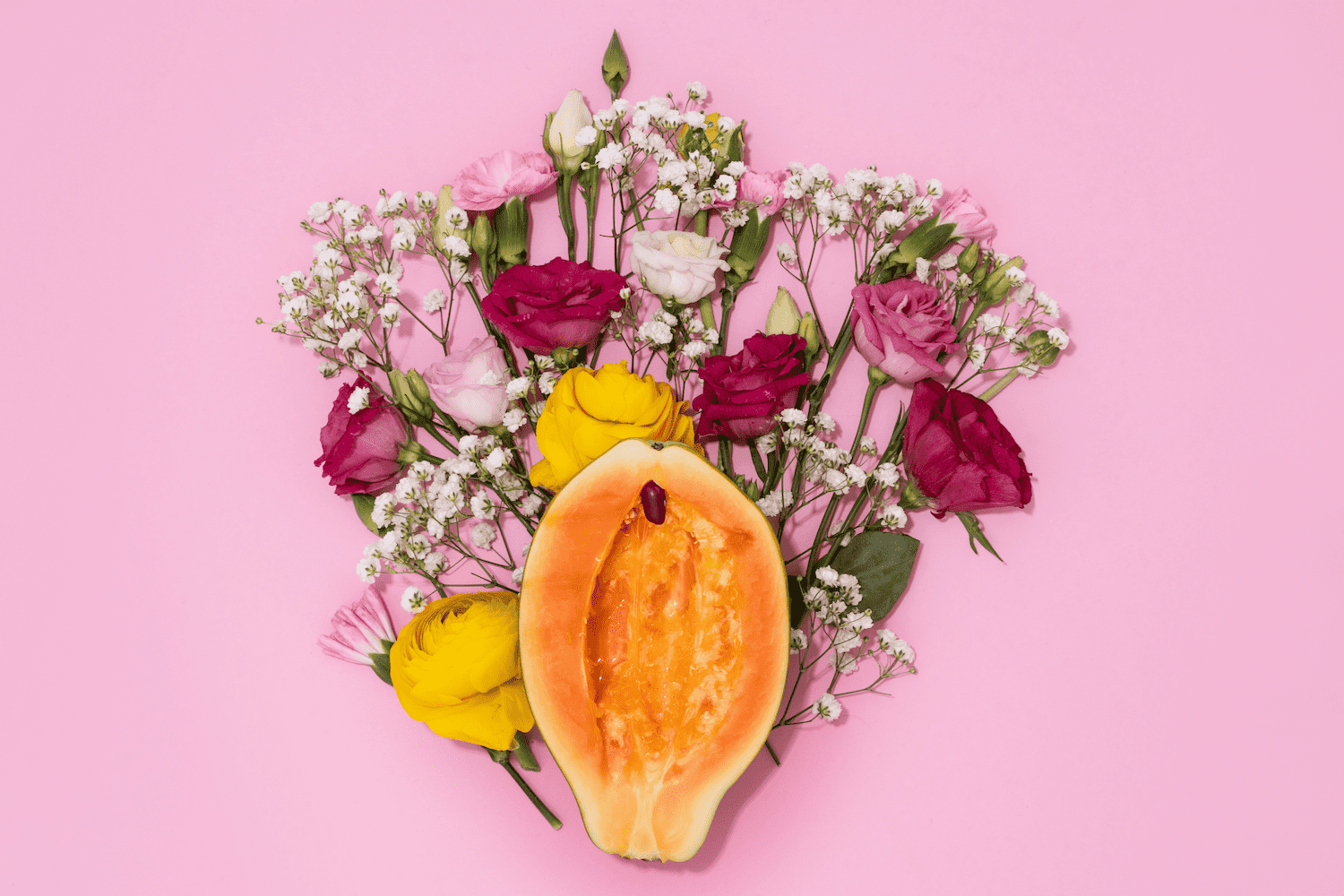
Allergy season brings the usual parade of miserable symptoms. Congested sinuses, watery eyes, sneezing fits that seem to arrive at the worst possible moments, and a general feeling of bodily betrayal.
Most people manage their seasonal allergies with a combination of antihistamines, nasal sprays, and sheer determination, and they think of the whole ordeal as something that happens from the neck up.
What very few people consider is that allergy season can have real, measurable effects on vaginal health, and the mechanisms connecting the two are more direct than most would expect.
How Do Allergies Create Systemic Inflammation?
Seasonal allergies are fundamentally an immune response. When the immune system identifies pollen, mold spores, or other seasonal allergens as threats, it launches an inflammatory response designed to neutralize them.
Histamine is released, mucous membranes swell, and the body enters a state of heightened immune activation that is not confined to the nasal passages. That inflammatory response is systemic, meaning it affects the entire body, and the reproductive tract is not exempt.
Chronic low-grade inflammation, even the kind triggered by seasonal allergies rather than infection, can disrupt the delicate hormonal and microbial balance that vaginal health depends on. The immune cells and signaling molecules involved in an allergic response circulate throughout the body, and the vaginal tissue and microbiome are sensitive to exactly the kind of immune environment that allergy season creates.
Antihistamines and Vaginal Dryness
This is the connection that most directly affects people during allergy season, and it is one that healthcare providers do not always think to mention. Antihistamines work by blocking histamine receptors throughout the body, reducing inflammation and nasal dryness. The problem is that histamine receptors are not exclusive to the sinuses. They are present in mucous membranes throughout the body, including in the vaginal tissue.
When antihistamines block histamine receptors systemically, they reduce mucous membrane secretions throughout the body, not just in the nose. This is why antihistamines are a well-documented cause of vaginal dryness.
People who take them regularly during allergy season often notice increased dryness, irritation, and discomfort that they do not immediately connect to their allergy medication. Older antihistamines like diphenhydramine tend to produce more pronounced drying effects, while newer second-generation antihistamines are somewhat less aggressive, but the effect is present across the category.
Vaginal dryness is not just uncomfortable. It alters the local environment, potentially affecting the vaginal microbiome, reducing the natural protective mechanisms of vaginal tissue, and increasing susceptibility to irritation and infection. Staying well hydrated during allergy season and discussing the drying side effects of antihistamines with a healthcare provider are both worthwhile steps.
The Vaginal Microbiome Under Allergy Season Stress
The vaginal microbiome is a finely balanced ecosystem sensitive to changes in pH, moisture levels, hormonal fluctuations, and immune activity.
Allergy season introduces several of these disrupting factors simultaneously. Systemic inflammation affects the immune environment of the vaginal tract. Antihistamines reduce moisture and alter the local conditions that beneficial bacteria depend on. Disrupted sleep due to allergy symptoms elevates cortisol, which has downstream effects on hormonal balance and immune function.
Lactobacillus bacteria, which dominate a healthy vaginal microbiome and produce the lactic acid that maintains protective acidity, are sensitive to these kinds of environmental shifts. When their population declines, pH rises, and the conditions that favor the overgrowth of harmful bacteria or yeast become more favorable.
Supporting the microbiome proactively during allergy season with pH balance pills that include targeted Lactobacillus strains can help maintain that protective bacterial environment even when external stressors are working against it.
Corticosteroids and Hormonal Interference
People with more severe seasonal allergies sometimes use corticosteroid nasal sprays or oral corticosteroids to manage their symptoms. While these medications are effective and generally well-tolerated, corticosteroids can interact with the endocrine system, potentially affecting hormonal balance.
Cortisol and the synthetic corticosteroids used in allergy treatment operate through overlapping hormonal pathways, and prolonged use can influence estrogen and progesterone levels, with ripple effects on vaginal health.
Estrogen plays a central role in maintaining the thickness, elasticity, and secretions of vaginal tissue. Anything that interferes with estrogen signaling, even temporarily and mildly, can produce noticeable changes in vaginal comfort and the composition of the vaginal microbiome.
People who use corticosteroids regularly during allergy season and notice cyclical changes in vaginal health may be experiencing exactly this kind of hormonal interference.
Managing Both Problems at Once
The practical takeaway from all of this is that allergy season deserves to be managed with vaginal health in mind. Choosing the least drying antihistamine option that still provides adequate symptom relief, prioritizing hydration, supporting the vaginal microbiome consistently throughout the season, and paying attention to any changes in vaginal comfort or discharge are all reasonable and actionable steps.
The body operates as a connected system, and allergy season is a useful reminder of just how far-reaching the effects of immune activation and medication choices can be. Treating the whole picture rather than just sneezing is always the smarter approach.