
Design Ideas for a New Retail Store
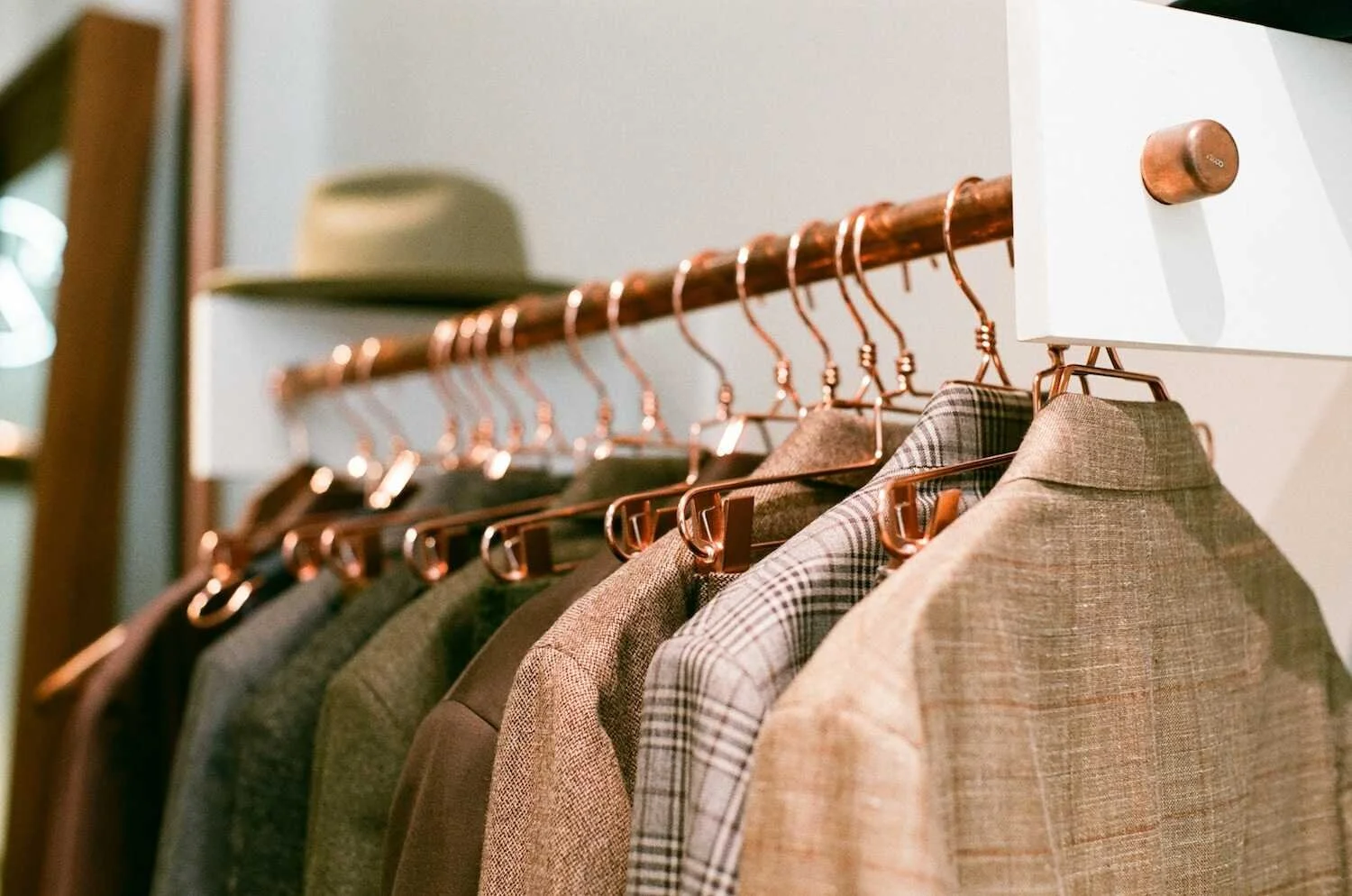
Opening a new retail store is an exciting opportunity that allows for creativity and innovation. Good design can significantly improve the customer experience. A well-designed store attracts customers and encourages them to stay longer and come back. As retail changes, fresh and effective design ideas can turn a typical store into a memorable shopping spot.
Let's look at how to create an appealing environment for your new retail store.
Inviting Layout
The layout of your store is crucial for how customers move around and engage with products. An inviting layout welcomes shoppers and helps them navigate easily. Use an open floor plan to avoid crowded aisles and allow easy movement. Set up zones for different product categories, so customers can explore without feeling overwhelmed. Create clear pathways that guide visitors to discover items while keeping busy areas visible.
Flexibility in layout is important too. Moveable displays let you change the space for seasonal sales or new products. A mix of dedicated sections and open areas can give each visit a fresh feel. Use eye-catching displays to draw attention and support your branding. The aim is to create a smooth flow that improves the shopping experience.
Retail Digital Signage
Retail digital signage is becoming more important. It improves both the store's appearance and how you communicate with customers. This tool allows you to display promotions, product details, and brand stories in engaging ways. Unlike traditional signs, digital displays can be updated easily, allowing for real-time changes based on inventory or special events.
Picture vibrant screens greeting customers as they enter, showing offers or new products, and guiding them to items you want to highlight. Animated graphics and videos add excitement and grab attention. Well-placed digital displays can create urgency, encouraging customers to act on limited-time deals.
Digital signage also improves the store's atmosphere. By sharing informative content that aligns with your brand, customers stay informed while enjoying the visuals. This mix of technology and design enhances the store's appeal and creates an engaging shopping experience.
Color and Lighting
Colour and lighting are key parts of retail design, influencing mood and perception. Choose a colour palette that aligns with your brand. Warm colours like reds and yellows create energy, while cooler colors like blues and greens provide calm. Consider how colours can affect emotions.
Lighting creates a mood and showcases products well. Natural light is very inviting and makes customers feel comfortable. When using artificial lighting, adjustable track lighting or spotlights can highlight key areas, such as sales or new arrivals. Use a mix of ambient, task, and accent lighting to create a lively environment that changes throughout the day.
Interactive Elements
Adding interactive features can better engage customers. Use technology like touchscreens or interactive displays to let customers explore product features or learn about your offerings. This makes shopping memorable and informative. Customers appreciate having access to details without needing to ask staff for help every time.
You might include product sampling stations or areas where customers can test items. This enhances their experience and encourages more extended visits. Engaging displays that invite customers to touch and explore create a personal connection with your products. Overall, these interactive features improve the shopping journey.
Sustainable Touches
Today, many retail businesses focus on sustainability. Adding eco-friendly elements can make your store more appealing and show your commitment to corporate responsibility. Use reclaimed materials for fixtures, and incorporate plants to improve air quality. Choose energy-efficient lighting and appliances to lower resource use and reduce costs.
Sustainable practices extend beyond design. Use digital tools to manage inventory and engage with customers, reducing paper waste. Source local and sustainable products to create a unique selling point. Customers appreciate businesses that share their values, making sustainability an important part of your retail design.
Community Engagement
Building a sense of community in your retail space can boost customer loyalty. Create areas for community events, gatherings, and workshops, turning your space into a hub for local activities. This not only strengthens your brand but also builds relationships with customers and nearby businesses.
Showcasing local artwork or products highlights your support for the community and helps customers connect with local culture. Engage with customers on social media to promote these community efforts and link online and in-store experiences. Ultimately, fostering a sense of belonging can turn casual shoppers into loyal customers.
Designing a retail store gives you a chance to share your vision and connect with customers. Every detail, from the layout to interactive features, shapes the overall experience. Balancing practicality with creativity is key to enhancing customer engagement. A well-designed store can make shopping an enjoyable destination.