
Common Medical Errors That Can Lead to Brain Injuries
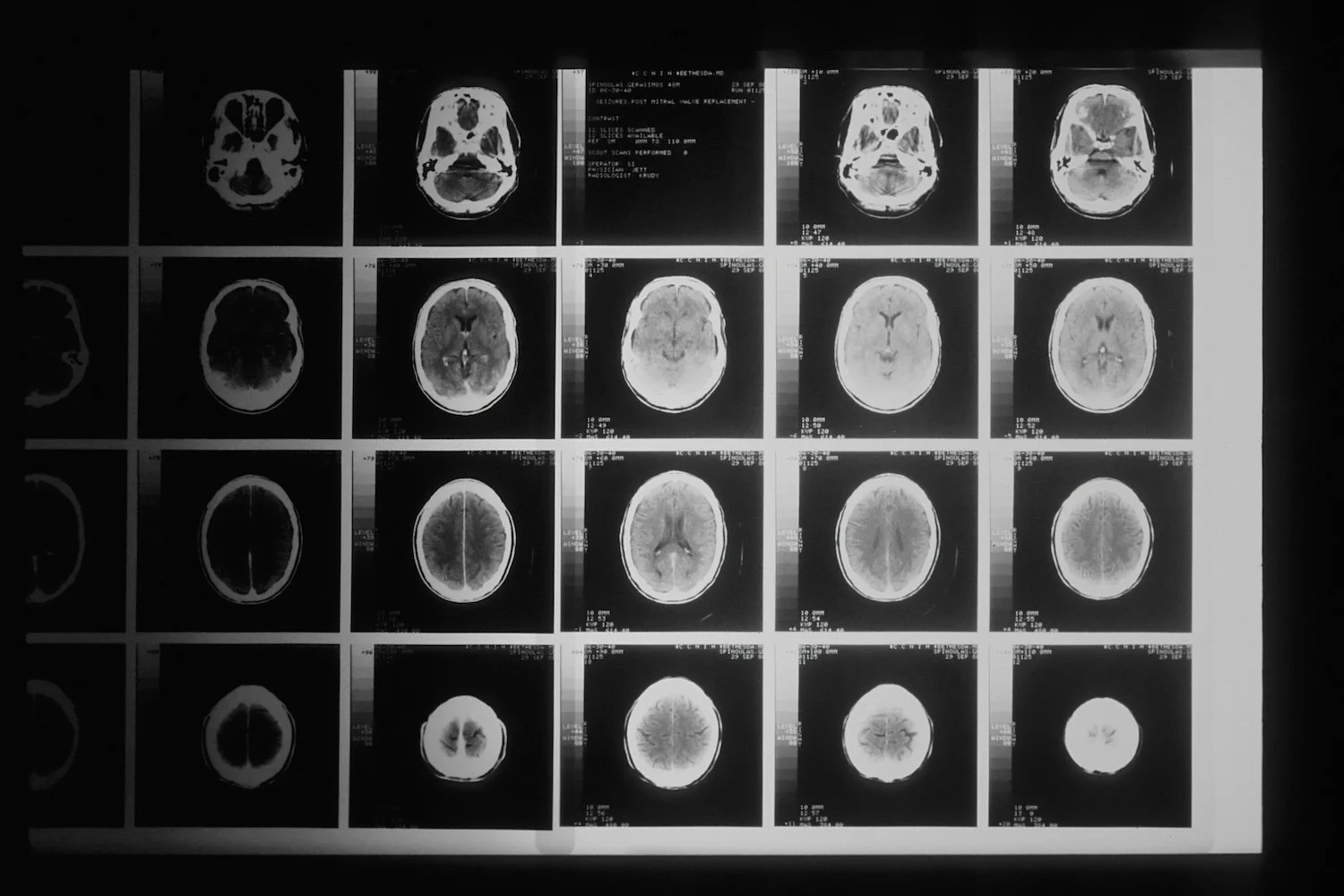
A mistake in any field is undesirable, but especially in medicine, where it can have catastrophic effects on people's lives. For instance, in neurosurgery, an error can lead to brain damage and other problems.
Based on information provided by the Centers for Disease Control and Prevention (CDC), there were an estimated 214,110 TBI-related hospitalizations from all causes in the United States in 2020. The CDC also reports 68,663 TBI-related deaths in 2023.
Hospital cases often involve the 3 common types of medical malpractice, which are birth injury, misdiagnosis, and surgical errors. Diagnostic mistakes are harmful in more than one way. When there is brain injury, delays in diagnosis can have very severe results.
Some errors made during medical procedures might be unavoidable. If an error in care meets the standard of negligence, especially when the injury involves brain trauma, the doctor, hospital, or staff may be held accountable.
Here are the several types of medical negligence that often lead to brain trauma.
Missed and Delayed Stroke Diagnosis
Recognizing a stroke early is necessary for proper care. According to the systematic review by the Agency for Healthcare Research and Quality (AHRQ), emergency department staff overlook strokes 17% of the time. This can be caused by the stroke’s subtle symptoms.
A stroke where the initial symptoms are dizziness and vertigo has been missed in 40% of cases. Those strokes presenting with weakness are missed much less, at around 4% of the time.
An older adult presenting with vertigo and nausea can easily appear to be having an ear disorder or gastroenteritis. Sent back home with anti-motion medications, this patient can then miss the opportunity to receive treatment to limit stroke damage.
When a Head Injury Gets Missed
Not every brain injury tied to medical care begins in the hospital. Some start with an accident, and the negligence comes from how the injury is diagnosed or treated afterward.
Common causes of brain injury include motor vehicle accidents, slip-and-fall accidents, and workplace injuries, as listed on the site of Kentucky traumatic brain injury attorney Scott Best. An inadequate examination, a skipped CT scan, or a misread scan might allow a slowly bleeding brain injury to persist for hours.
Oxygen Deprivation During Procedures
A few of the most serious forms of harm result from the absence of oxygen. The National Library of Medicine compiles MedlinePlus, a source of information about health topics.
Cerebral hypoxia involves the lack of sufficient amounts of oxygen for the brain, and in less than five minutes, some brain cells begin to die. On its list of causes, complications from general anesthesia are included.
In real life, these kinds of cases relate to airways and monitoring. The breathing tube may be placed in the esophagus instead of the trachea, the unconscious patient may lack supervision of oxygen saturation levels, and the postoperative patient may be prescribed heavy opioid drugs at night without monitoring.
Such situations require prompt attention on the part of medical personnel, or else permanent brain impairment will follow.
Birth Injuries
Newborns face their own risks. Birth injuries are among the causes of cerebral hypoxia listed by MedlinePlus. The time just before delivery provides for little room for error.
Missed signs of distress in the baby, delay in performing an emergency cesarean section, and an extended delivery with incorrect instrument usage are some common problems. Sometimes, it is only after months or even years that the truth comes out.
What Families Usually Want to Know
Often, people want to understand the logistics and aftermath of a brain injury following medical procedures. For example, some people want to understand when the injury was diagnosed. Others want to understand when and how the brain injury occurred.
Other places to look for this information are in medical records, specifically in nursing records, time-stamps, imaging, and monitoring equipment. The information may not be in the discharge summary.
Not all brain injuries show symptoms immediately. Some can take as long as weeks to appear after discharge from the hospital. Some symptoms include difficulty with concentration, personality changes, and memory issues.
Families who recognize and note what transpired at the hospital will best understand how the injury occurred and how to care for it.