
Can You Be Arrested for DUI After One Drink?
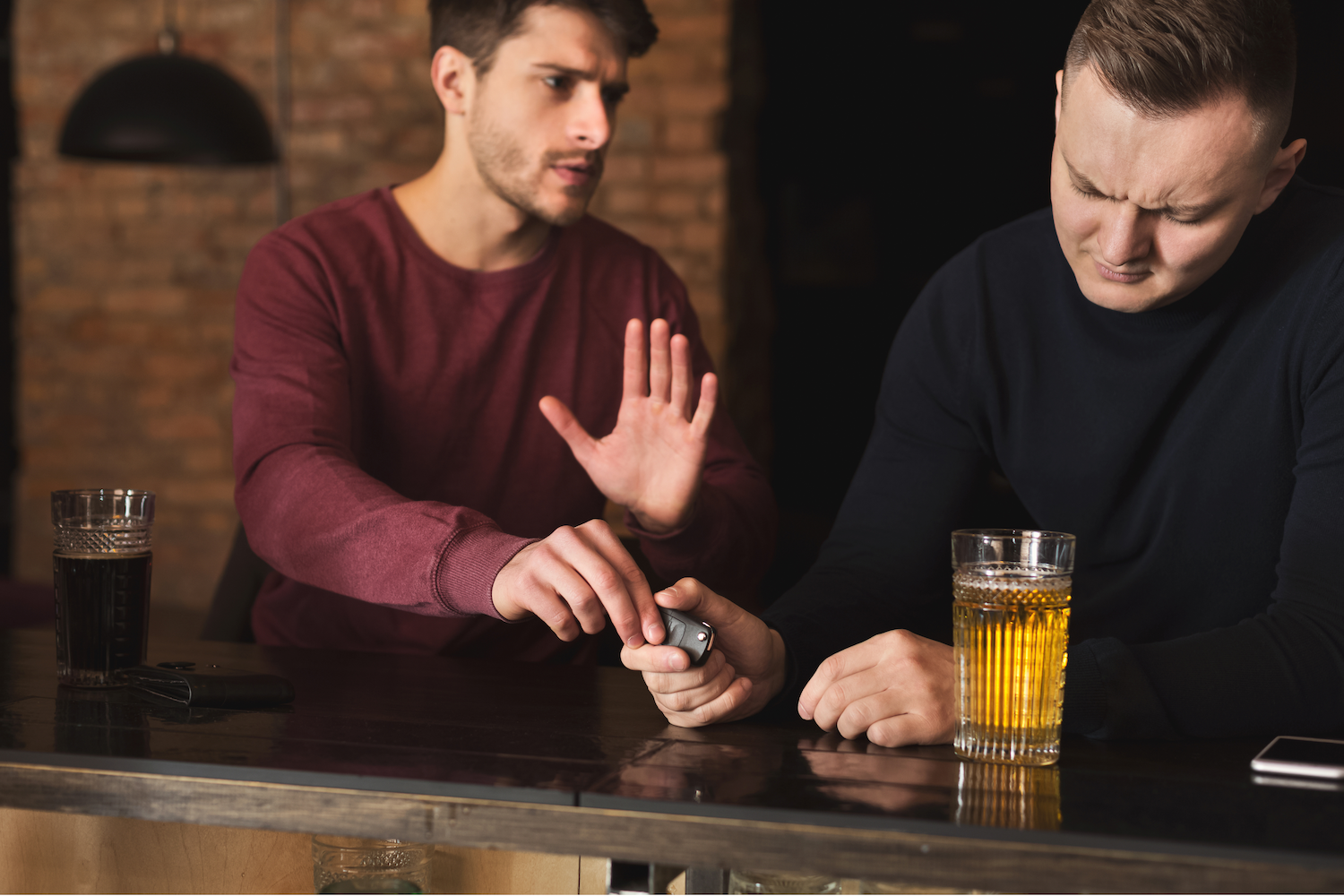
Drunk driving remains a serious safety concern across the United States. According to the National Highway Traffic Safety Administration (NHTSA), 11,904 people died in alcohol-impaired driving crashes in 2024, accounting for approximately 30% of all traffic fatalities nationwide. Also, 2,028 people were killed in crashes involving drivers with BAC levels of .01 to .07.
Even a single drink could be enough for a person to get arrested for drinking under the influence (DUI). One drink, depending on its alcohol content, can affect a person’s judgement, coordination, and reaction time.
The legal BAC limit in most states for drivers aged 21 and older is 0.08%. In Utah, it has a lower limit of 0.05%. Drivers can also face DUI charges below the legal drinking limit if there is evidence that alcohol has impaired their ability to drive safely.
Let’s learn whether one drink can lead to a DUI arrest, how BAC is measured, and what legal consequences drivers may face.
Why One Drink Is Hard to Measure
Several factors are considered when someone is arrested for DUI. They check the blood alcohol concentration (BAC), body weight, alcohol tolerance, the time elapsed since drinking, and driving behavior.
The effect of one drink depends on several factors like body weight, sex, and food in the stomach. Generally, women carry more body fat per pound. Because alcohol does not enter fat cells easily, more alcohol remains in their blood.
A heavier body dilutes alcohol, and a meal slows absorption. With so many factors in play, the agency calls it very difficult for anyone to estimate their own BAC, and it adds that failing to recognize impairment is often a symptom of impairment.
The effects chart by the agency commences from .02, listing decreased judgment, less visual tracking abilities, and reduced multitasking abilities. On the other hand, .05 is characterized by poor coordination, steering abilities, and poor reaction during emergencies.
Many people use the legal limit for alcohol consumption as their safe limit, and a study conducted on patrons of bars by the University of Florida indicates that the trend even extends to the designated drivers. The researchers conducted breath analysis of 1,071 bar patrons, and out of the 165 patrons who declared themselves to be the designated drivers, 40 percent had taken alcohol.
Impaired driving has an injury side as well. According to the Tennessee and Arizona personal injury website https://www.danielclaytonlaw.com/, the practice handles car accident cases, including rideshare and reckless driving crashes, from offices in Nashville and Tucson.
Crash investigators see a similar pattern. A University of California, San Diego study of 570,731 fatal collisions from 1994 to 2011 found that drivers at .01 were 46 percent more likely to receive sole official blame from crash investigators than the sober drivers they hit. The authors also found no sudden jump in blame at the .08 line.
What the Limit Means in Law
According to the NHTSA, the BAC level of 0.08 or higher when driving a motor vehicle is regarded as illegal in all 50 U.S. states, the District of Columbia, and Puerto Rico, except for the State of Utah, whose threshold is set at 0.05.
The organization’s compilation of impaired driving laws of the states indicates that most states view a blood alcohol content of 0.08 as an indicator of being under the influence of alcohol. The limit is considered as a presumption and an independent offense but not merely a means of establishing an offense.
There are states that establish additional categories. Based on the guidelines set out by NHTSA regarding low BAC, Colorado and New York have DWI statutes that apply in cases of driving impairment under the .08 BAC; according to the NY DMV site, such an offense is regarded as being a BAC between .05 and .07 or any other evidence of impairment.
Considering the above-mentioned regulations by NHTSA, it can be stated that the legal BAC level for people under 21 is 0.02 or lower, and for commercial drivers in New York State, it is 0.04.
Having a single drink does not necessarily imply an arrest. But there are certain situations where it will be quite difficult to prove one’s innocence.
What Officers Look For
Standardized field sobriety tests give officers a structured way to judge impairment.
According to the Department of Transportation report, the walk and turn, the one-leg stand, and the horizontal gaze nystagmus test were developed by the efforts of the NHTSA, and the police in all 50 states now have the training to administer the test. This report also uses the field data showing that the breath and blood analysis confirmed more than 90 percent of the arrest.
None of the agencies says that one drink is safe or one drink will get you arrested. The message of NHTSA is not that broad. Alcohol will impair your driving, even a small amount; you will be impaired before getting drunk, and the legal limit is much higher than that level.
The best comparison for anyone planning a drive is a cab fare.