
Best Tea for Beginners: A Simple Guide to Choosing Your First Tea
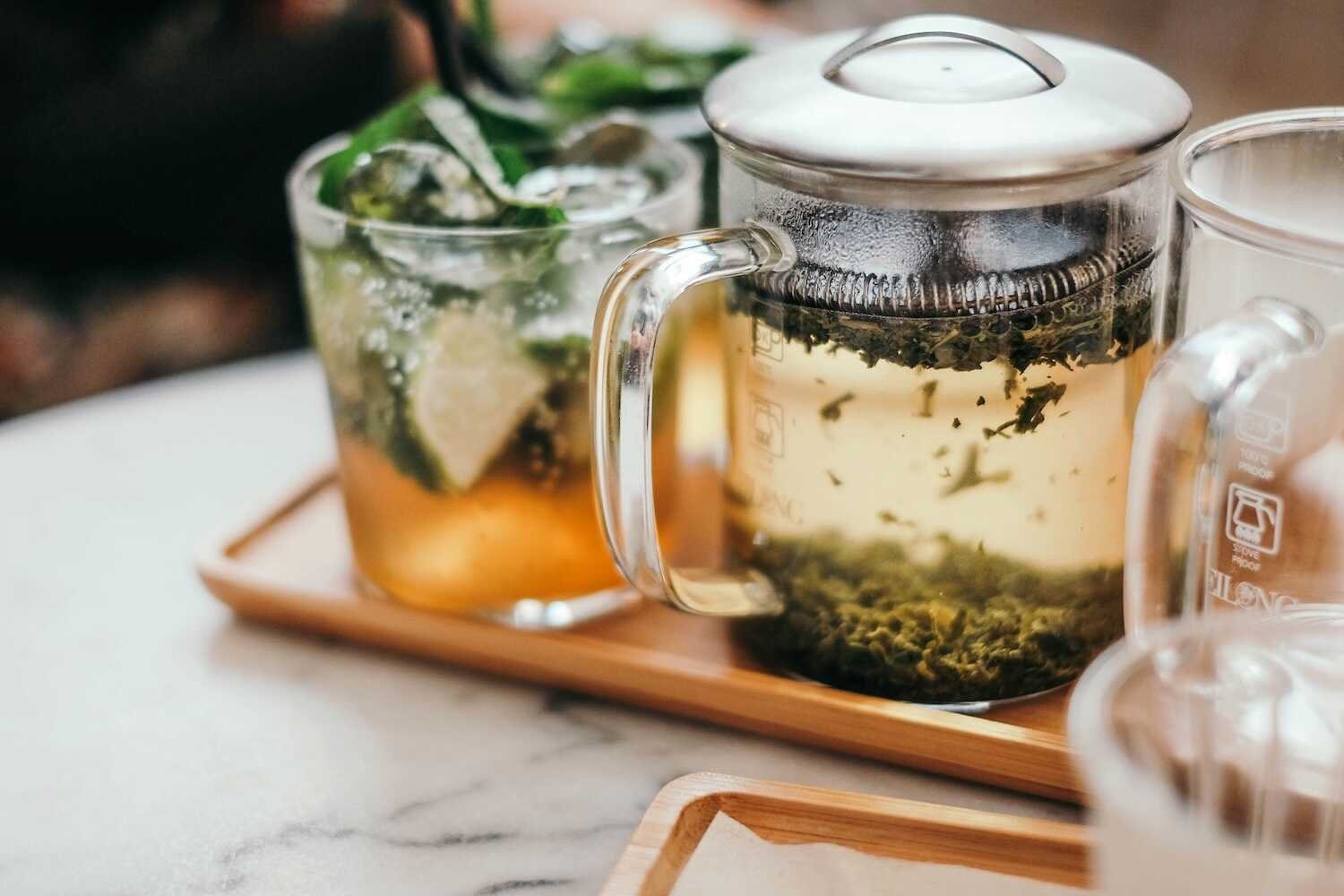
Tea can feel confusing when you are just getting started, with so many options like black tea, green tea, white tea, oolong tea, herbal tea, and loose leaf tea.
The best beginners tea should be pretty straightforward - easy to brew, tastes good, and not too bitter. This little guide is here to help you pick out a tea that you'll actually enjoy and brew that first cup with a bit more confidence.
What Is the Best Tea for Beginners?
The best tea for beginners depends on what you already enjoy drinking.
If you like bold drinks, black tea is a great place to start. If you prefer something light and fresh, green tea or white tea may feel more natural. If you enjoy floral, creamy, or roasted flavors, oolong tea can be a wonderful next step. If you want a caffeine-free evening drink, herbal tea is often the easiest choice.
A good beginner tea should have three qualities:
It should taste pleasant without complicated brewing.
It should not become bitter too quickly.
It should help you understand what flavors you enjoy.
Don't feel like you need to go out and find the most exotic, expensive tea straight off. Just grab a tea that you actually want to drink another cup of.
Loose Leaf Tea vs Tea Bags: Which Is Better for Beginners?
Tea bags are convenient, and they can be useful when you want something quick. However, loose leaf tea usually gives better aroma, smoother texture, and more natural flavor.
Whole tea leaves have more room to open in hot water. This helps the tea release its aroma more slowly and evenly. Many tea bags contain smaller broken leaves, which can brew quickly but may taste flat or bitter.
Loose leaf tea may sound intimidating, but it does not require a full tea set. You can start with a mug, a simple tea infuser, and fresh water.
For beginners, a small loose leaf tea sampler is often the easiest way to begin. A sampler lets you try several teas before committing to one large bag.
5 Best Teas for Beginners
1. Black Tea: Best for Coffee Drinkers
Black tea is one of the easiest teas for beginners because it has a rich, full flavor. It can taste malty, smooth, slightly sweet, or bold depending on the type.
If you usually drink coffee in the morning, black tea may feel like a comfortable first step. It contains caffeine, has a fuller body than many lighter teas, and pairs well with milk, honey, lemon, or sugar.
Beginner-friendly black teas include:
English Breakfast
Assam
Keemun
Jin Jun Mei
Lapsang Souchong
Black tea is also forgiving. It can handle hotter water and longer steeping times better than delicate green or white teas.
2. Green Tea: Best for a Fresh and Light Taste
Green tea is a good choice if you enjoy fresh, clean, and slightly grassy flavors. It usually feels lighter than black tea and works well as a morning or afternoon drink.
The main mistake beginners make with green tea is using boiling water. Water that is too hot can make green tea taste bitter.
Beginner-friendly green teas include:
Jasmine green tea
Dragonwell
Genmaicha
Sencha
Bi Luo Chun
Use slightly cooler water and a shorter steeping time. This will help the tea taste smoother and less bitter.
3. White Tea: Best for a Gentle First Tea
White tea is one of the softest and most delicate true teas. It usually tastes light, smooth, naturally sweet, and low in bitterness.
This makes white tea a great choice for people who do not like strong or bitter drinks. It is also a good option if you want a calm tea ritual that feels light and easy.
Beginner-friendly white teas include:
White Peony
Shou Mei
Silver Needle
White Peony is often the best starting point because it has more body than Silver Needle but still feels gentle and smooth.
4. Oolong Tea: Best for Aroma Lovers
Oolong tea sits between green tea and black tea in processing style. This gives it a wide range of flavors. Some oolong teas are floral and creamy, while others are roasted, fruity, honey-like, or mineral.
Oolong tea is a great choice for beginners who want something more aromatic and layered.
Beginner-friendly oolong teas include:
Tie Guan Yin
Dong Ding oolong
Ya Shi Xiang Dancong
Light roasted oolong
Start with a smoother oolong before trying stronger roasted or highly aromatic styles.
5. Herbal Tea: Best Caffeine-Free Choice
Herbal tea is not technically true tea because it does not come from the tea plant. However, it is one of the easiest options for beginners.
Most herbal teas are naturally caffeine-free, which makes them useful for evening routines.
Beginner-friendly herbal teas include:
Chamomile
Peppermint
Rooibos
Hibiscus
Ginger tea
Choose herbal tea if you want something relaxing, colorful, or caffeine-free.
How to Brew Tea as a Beginner
Good tea does not need complicated brewing. Start with fresh, filtered water and avoid over-steeping, as long steeping can make many teas taste bitter.
Use the right water temperature for each tea type. Green and white teas usually need cooler water than black tea. Taste the tea plain first before adding sugar, milk, or honey, so you can better understand its natural flavor.
Here is a simple beginner brewing guide:
Black tea: Use water heated to 203 to 212°F (95 to 100°C) and steep for 2 to 4 minutes.
Green tea: Use water heated to 167 to 185°F (75 to 85°C) and steep for 1 to 3 minutes.
White tea: Use water heated to 176 to 185°F (80 to 85°C) and steep for 2 to 3 minutes.
Oolong tea: Use water heated to 194 to 212°F (90 to 100°C) and steep for 2 to 4 minutes.
Herbal tea: Use water heated to 203 to 212°F (95 to 100°C) and steep for 5 to 7 minutes.
These are starting points, not strict rules. Your taste matters most.
Common Beginner Tea Mistakes
Many people think they dislike tea when the real problem is brewing.
Common beginner mistakes include:
Using boiling water for every tea
Steeping green tea too long
Using too much tea leaf
Buying old or low-quality tea
Expecting every tea to taste strong
Adding too much sugar before tasting the tea plain
If your tea tastes bitter, use cooler water or a shorter steeping time next time. If your tea tastes weak, use more leaves or steep slightly longer.
Tea becomes easier once you learn how small changes affect the cup.
Should Beginners Try Chinese Tea?
Chinese tea can be a great place for newbies to start because you get to experience loads of genuine flavours without any artificial nonsense.
Chinese black tea can taste malty, sweet, and smooth. Chinese white tea can feel soft and floral. Chinese oolong tea can show honey, orchid, roasted, fruity, or mineral notes. Chinese green tea can feel fresh, clean, and spring-like.
A beginner-friendly Chinese tea set might include:
If you want to explore traditional Chinese loose leaf tea, Dofo Tea offers carefully sourced Chinese teas from well-known tea regions, including black tea, white tea, oolong tea, green tea, and Pu-erh tea. You can learn more at https://dofotea.com/.
The Best Tea Is the One You Want to Drink Again
The best tea for beginners is not always the most famous tea. It is the tea that makes you want another cup.
Start simple. Choose one or two teas that match your taste. Brew them carefully. Notice what you like. Then explore from there.
Tea is not about memorizing rules. It is about creating a small daily ritual that feels calm, enjoyable, and personal.