
Best Indoor Pee Pads for Dogs: A Dog Mama's Eco-Friendly Picks
Key Takeaways
Washable, reusable pee pads like Potty Buddy are the best indoor pee pads for dogs when you want an eco-friendly, stylish, and budget-smart home setup.
Disposable puppy pads still have a place for travel, sick days, and emergencies, but relying on them daily creates significant plastic waste and ongoing cost.
Choosing the right size, pads absorbency, and odor control makes potty training smoother for both pet parents and pups.
This guide walks through specific product picks, a side-by-side comparison table, cost-over-time math, and real-life training tips from a California dog mama.
Quick picks: best indoor pee pads for dogs (eco-friendly edition)
Potty Buddy Washable Pads - Best Overall and Best Eco-Friendly Reusable
What I reach for every single day with Holly. Leak proof, OEKO-TEX certified, machine washable, and they come in patterns that actually look good on the floor. The best dog pee pads for pet owners who want to cut waste without cutting corners on odor control.
Simple Solution Disposable Pads - Best Budget Disposable Puppy Pads
Sold in large multipacks, six-layer construction, up to six cups of liquid capacity, and a built-in wetness indicator. A best value pick when you need potty pads for travel or emergencies.
Gorilla Guard XL Disposable Pads - Best for Large Dogs and Open Spaces
At 28 by 34 inches with roughly 6.7 cups of absorbency, these XL pee pads cater to bigger breeds and multi-dog households that need serious floor coverage.
Why trust this dog mama's pee pad picks?
I'm a Sacramento-based mom and full-time dog mama to Holly. When we brought her home, our bright living room floor met puppy pee within the first hour. I've spent real time cleaning up messes, testing training pads, and figuring out which indoor potty pads actually protect carpets and hardwood without turning my house into a landfill.
These picks come from lived experience and hours of digging into materials, reviews, and sustainability claims. Living in California adds its own twist: whether you're in a high rise apartment downtown, dealing with wildfire smoke days that keep you indoors, or slogging through a rainy January, having reliable dog pee pads is essential. The AKC and ASPCA both note that pee pads can be genuinely useful tools when used intentionally, especially for young puppies and senior dogs.
What I look for in the best indoor pee pads for dogs
Not all dog pee pads are created equal. Some leak, some smell, and some look like medical equipment dropped in the middle of your living room. Here's what I weigh before recommending anything, because choosing the right option for your dog's size and lifestyle matters more than any brand name on the package.
Absorbency and capacity
High absorbency pads are ideal for training or senior pets. Premium pads often feature 5 to 7 layers to enhance absorbency, and thicker pads generally absorb more liquid than thinner ones. I look for pads that absorb liquid quickly and hold it without pooling so the surface feels dry fast.
Leak proof backing
Pads should have a leak proof barrier to prevent moisture from reaching floors, period. Some pads claim to be 100 percent leak-free but are not, so I pay attention to independent test results rather than packaging promises.
Odor control
Activated charcoal, carbon layers, and quick-dry surfaces beat heavy perfume every time. Nobody wants a pad that trades dog smell for artificial lavender overload.
Size and fit
Pee pads should be sized to fit all four paws comfortably. A 22-inch square is considered regular size for pads, which works for small breeds, while bigger dogs need XL options. Pee pads come in various sizes to cater to different needs.
Reusability and cost over time
Washable pads cost more upfront but save money over a year. Disposables are convenient but add up fast, both in dollars and landfill space.
Sustainability and style
Patterns and colors help a reusable mat blend into a modern home instead of screaming "puppy mess here." I want accessories that fit my space, not fight it.
The pee pads I rated (real-life favorites and honest downsides)
Every pick below fills a distinct role. Some suit a brand new puppy, others are built for a senior dog or a large-space apartment. Every product has pros and cons, and I'm sharing both.
Best Overall (and Most Eco-Friendly): Potty Buddy Washable Pee Pads
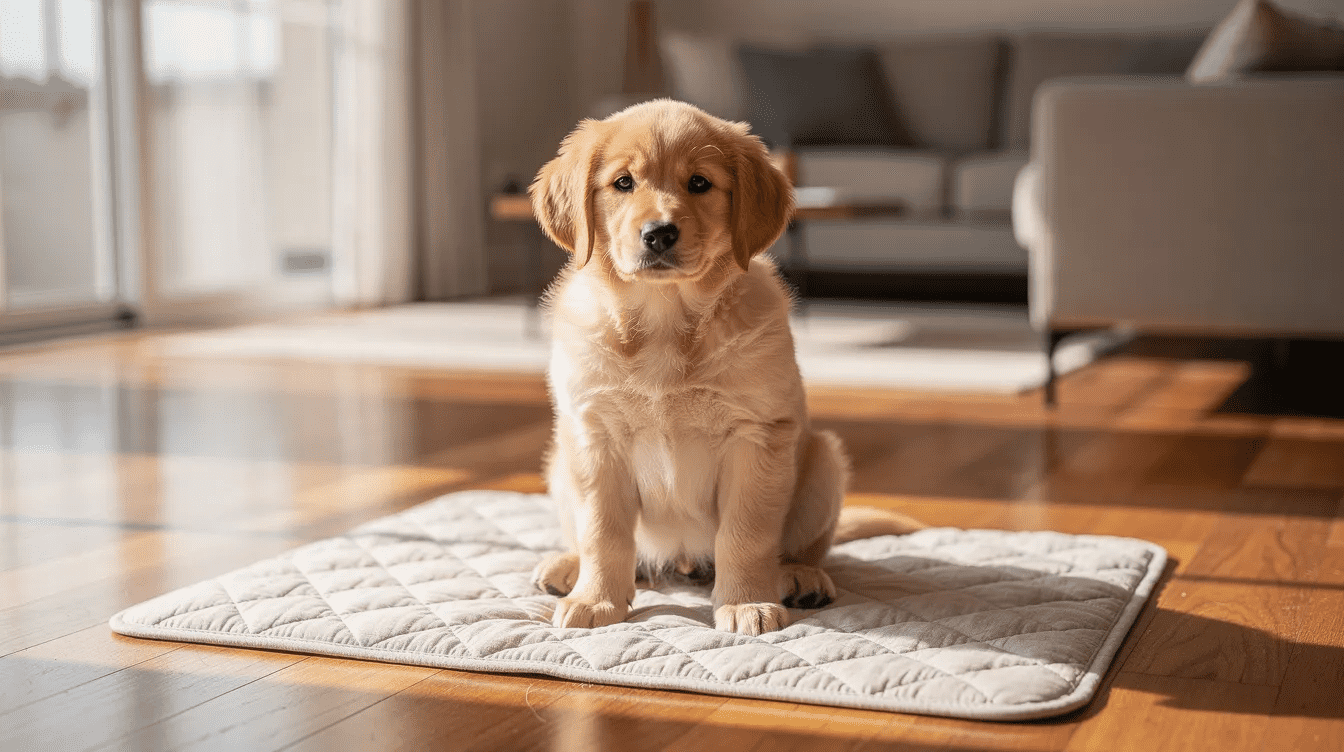
These are the reusable dog pads that changed my daily routine. Potty Buddy washable pads feature a multi-layer build with a soft, absorbent top, a waterproof leak proof backing, and OEKO-TEX Standard 100 certification, meaning the materials are free from harmful substances. They come in nine designs and five sizes so you can match your space instead of hiding a white rectangle behind the couch. Washable pads can be cleaned with soap and water, and these hold up wash after wash without losing their waterproof barrier.
What I loved: they dramatically cut single-use plastic waste, look genuinely good on the floor, and save money over time. The anti-slip bottom keeps the pad in place even when Holly zooms across the room. Five star reviews from other pet parents confirm the durability.
The downside: the upfront cost is higher than grabbing a disposable multipack, and washable pads require more cleaning than disposable ones, meaning you need a washer, dryer, and willingness to do an extra load. Best for: eco-conscious dog parents who want the best indoor pee pads for dogs without the landfill guilt. Verdict: this is where I'd start for any new puppy owner ready to switch to a low-waste setup.
Best Budget Disposable Puppy Pads: Simple Solution Training Pads
Sold in large multipacks of 50 to 100, these six-layer disposable pads offer up to six cups of liquid capacity with a built-in wetness indicator and attractant. Highly absorbent pads can transform liquid into gel instantly, and these do a solid job of it. Pads absorb liquid quickly, feeling dry in just over a minute.
What I loved: affordable, widely available, and convenient for travel or emergencies. The downside: weaker eco credentials than any reusable option, and the odor control fades after a few hours. Best for: pet parents on a tight budget or anyone who needs a disposable backup. Verdict: a reliable, best value disposable for when reusable is not practical.
Best for Tiny Puppies or Toy Breeds: Hartz Home Protection Pads
These smaller pads fit tight spaces and work well for a pup under 15 pounds. Some pads feature pheromone attractants to entice dogs, and these include a light attractant layer that helps guide a confused puppy to the right spot. Pee pads with pheromone attractants help guide dogs to use them, which is a real time saver during early house training.
What I loved: the compact size suits small breeds and apartments without overwhelming the room. The downside: you'll outgrow the size quickly if your pup is a medium or large breed. Best for: toy breeds, tiny puppies, and tight living spaces. Verdict: a suitable starter pad, but plan to size up.
Best XL Pads for Big Dogs and Open Spaces: Gorilla Guard Disposable Pads
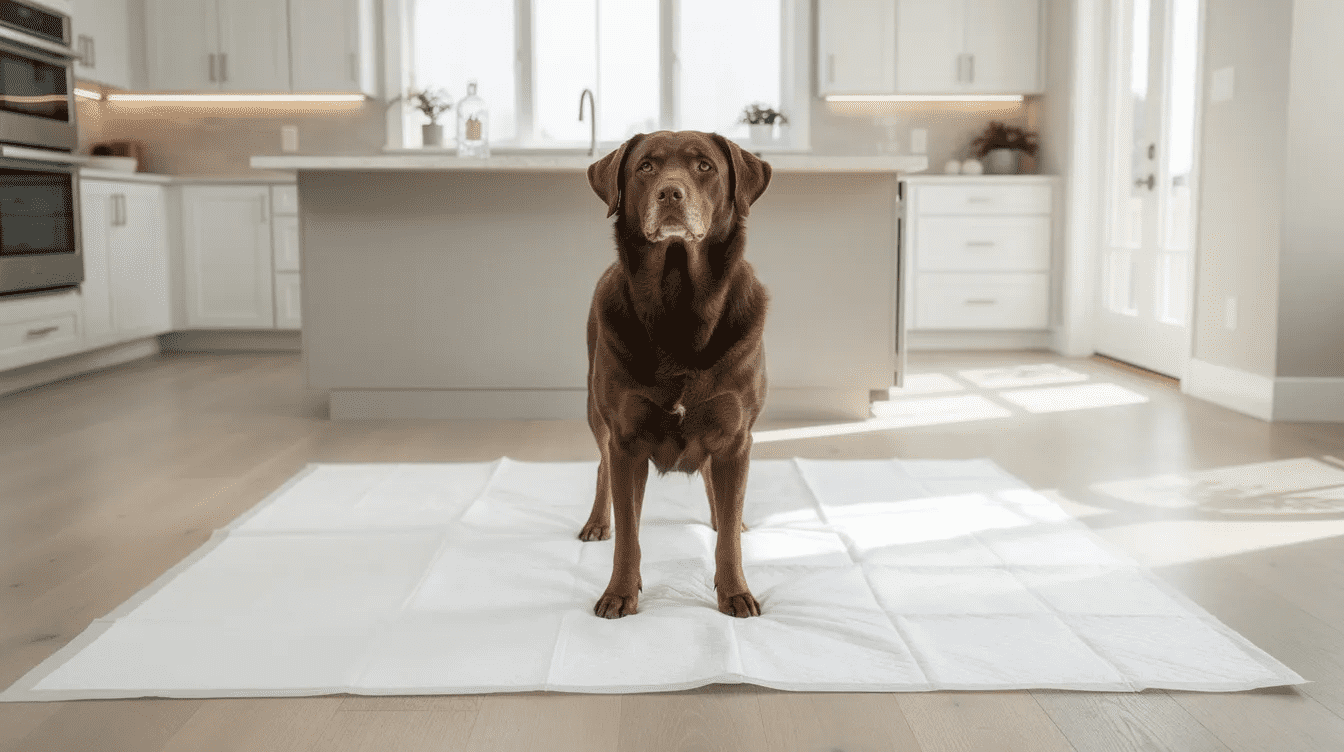
At 28 by 34 inches, these five-layer pads hold approximately 6.7 cups of liquid. Pee pads come in various sizes, including 36 by 36 inches for the largest options, and this range gives big-dog owners real coverage. Some pads can include adhesive tabs to keep them in place during use, and these feature sealed borders that help prevent leakage at the edges. Pads absorb liquid quickly and hold it without pooling.
What I loved: serious capacity for large breeds or multi-dog households, and they protect a wide surface area of floor. The downside: bulky to store, not reusable, and the per-pad cost is higher. Best for: owners of large dogs, open-plan rooms, and overnight coverage. Verdict: a strong disposable pick when you need maximum floor protection.
Best Odor Control Dog Pee Pads: Bulldogology Carbon Tech Pads
These pads use carbon tissue to neutralize odors and include an activated carbon layer between the absorbent core and leak proof backing. Activated charcoal can help control odors in pee pads far more effectively than fragrance alone. Activated carbon or antimicrobial treated pads help with odor control, and these are some of the best I've tested for keeping a small apartment from smelling like a kennel. Some pads are designed to neutralize odors effectively, and these live up to that claim. Pads with lavender scent absorb odors well without being overpowering, but I prefer carbon-based options for pets and kids who are scent-sensitive.
What I loved: genuinely effective odor neutralization, not just masking. The downside: slightly pricier per pad and the dark charcoal color can show on light floors. Best for: small apartments, multi-dog homes, and anyone with a sensitive nose. Verdict: the go-to pick when smell is your biggest stress.
Best Eco Disposable Puppy Pad: Charcoal-Core Reduced-Plastic Pads
A newer category of disposable pads uses charcoal plus SAP cores with lighter plastic backing, reducing overall waste compared to traditional disposables. These still aren't as eco friendly as washable pads, but they represent a step in the right direction for pet parents who aren't ready to go fully reusable.
What I loved: better materials and the easy way of disposable convenience. The downside: limited availability, higher price than standard disposables, and still not zero-waste. Best for: dog parents transitioning toward sustainability. Verdict: a compromise pick, not a final destination.
Best for Senior Dogs and Incontinence: Paw Inspired Washable XL Pads
Heavy-duty washable pads are recommended for senior dogs dealing with incontinence or mobility issues. At roughly 41 by 41 inches, these reusable pads handle overnight use and heavy liquid output without leakage. The thick, soft multi-layer construction keeps a senior dog comfortable through the night.
What I loved: large enough to cover a dog bed or crate floor, and the quality holds up through dozens of washes. The downside: thick and somewhat clinical looking, which may not blend into your decor. Best for: senior dogs, post-surgery recovery, and overnight protection. Verdict: the kindest, most practical option for aging pets.
Washable vs. disposable pee pads: the honest cost and waste over a year
Picture this: a new puppy using three to four disposable potty pads a day during the first few months of dog training. That pace adds up to roughly 900 pads in year one. At around $0.50 per pad, you're looking at approximately $450 just to throw away. That is a lot of money and a lot of plastic-backed pads headed to landfill.
Now compare: buying three or four Potty Buddy reusable pads at around $30 each totals about $90 to $120 upfront. Add maybe $30 to $40 in laundry costs over the year, and you're at roughly $130 total. Washable pads are more environmentally friendly than disposable pads, and the savings compound in multi-dog households. Disposable pads are often more absorbent than washable ones on a single-use basis, but that advantage disappears when you always have a clean reusable pad ready from the dryer.
Disposables still make sense for travel, vet visits, and emergencies. But for daily indoor potty training, the switch to reusable is both cheaper and greener for most pet owners.
How to get your puppy to actually use the pee pad
Even the best indoor potty pads are useless if your pup prefers the rug. Here's what actually worked in my house, where light-colored carpets and a toddler's toys share space with dog accessories.
Smart placement
Keep the pad in a low-traffic but accessible spot, away from food and water bowls, ideally near the door you'll eventually use for outdoor potty breaks. Think of it like a litter box for your dog: consistent location builds habits fast. Male dogs may lift a leg, so consider placing the pad near a wall or using a pad with raised edges.
Timing and routine
Bring your pup to the pad after waking up, after meals, after play, and every one to two hours in between. Training attractants can aid in guiding dogs to use the pads, and some pads use pheromones to attract dogs to them, which speeds up the process. Use a consistent cue word every time.
Praise and patience
Reward immediately with treats and a happy voice when your puppy hits the pad. Clean accidents with an enzyme cleaner so they aren't drawn back to the wrong spot. Never punish; just redirect. You can find a helpful house training video from the AKC if you want a step-by-step visual guide.
Gradual phase-out
Once they're consistent indoors, slowly move the pad closer to the door, then outside onto the grass, then shrink the area. This transition builds confidence and makes outdoor potty training feel natural.
If accidents are frequent and sudden, it can signal a urinary or health issue worth a vet check. Don't chalk everything up to puppy training alone.
Questions dog parents ask about indoor pee pads
How many puppy pads should I expect to use each day?
Most puppies need three to four pads per day during the first few months of potty training, sometimes more for very young pups. As your dog learns, that number drops. Senior dogs with incontinence may need two to three pads depending on their condition and the pad's capacity.
Do pee pads slow down potty training compared to going straight outside?
Not when used intentionally. Pads are a bridge, not a crutch. Pair consistent pad use with a clear transition plan to move outdoors, and most puppies adapt smoothly. Many pet parents in apartments or during harsh weather have no realistic alternative indoors.
What if my puppy keeps missing the pad or chewing on it?
Try a larger pad and re-evaluate placement. Make sure the pad is away from play zones and food. Chew-resistant reusable pads, like Potty Buddy, hold up better than thin disposables against a curious pup. Redirect chewing with a toy and praise correct pad use immediately.
Are washable pee pads really cheaper and greener than disposables?
Yes, in almost every scenario for daily use. Three reusable pads plus laundry costs run about $130 per year versus $450 or more in disposables. You also avoid sending hundreds of plastic-backed pads to landfill. The math only favors disposables if you use pads very rarely.
How do I keep odor down when using indoor potty pads in a small apartment?
Swap pads promptly, whether washing a reusable or tossing a disposable. Pads with activated carbon or charcoal layers neutralize odor far better than scented pads. Good ventilation helps, and enzyme-based sprays around the pad area tackle any lingering urine smell.
What size pee pad should I buy for my puppy or adult dog?
A 22-inch square regular pad suits most small breeds and young puppies. Medium to large dogs do better on 28-by-34-inch or 36-by-36-inch pads. The pad should be large enough for your dog to stand on with all four paws and still have margin around the edges.
Are scented pee pads safe to use around kids and sensitive pets like a cat?
Lightly scented pads are generally safe, but heavy fragrances can irritate dogs, cats, and young children. Unscented or carbon-based odor control is the safer route if you have a multi-pet household or little ones crawling nearby.
The verdict: best indoor pee pads for a low-waste, happy home
Potty training is a short, messy season, but it doesn't have to wreck your floors, your budget, or your conscience. After testing and living with these picks, Potty Buddy reusable pads remain my top recommendation for any dog mama who wants the best indoor pee pads for dogs with strong leak proof performance, real odor control, and a design that looks like it belongs in your home.
Disposable puppy pads still earn their spot for travel, illness, and the earliest puppy days. Mix and match based on your routine and budget. Before long, the mess fades, the training clicks, and you're left with a house that smells like home, a well-trained dog, and years of snuggles ahead.
FAQ (additional quick questions)
Can I wash reusable pee pads with my regular laundry?
It's best to wash them separately or with other pet items. Use a fragrance-free detergent and skip fabric softener, which can reduce absorbency. Wash on warm, not hot, to preserve the waterproof backing. Tumble dry on low heat or air dry for the longest lifespan.
How many reusable pee pads do I actually need to own?
Three to four pads is the sweet spot for most single-dog households. That gives you one on the floor, one in the wash, and one ready to swap in. Multi-dog homes may want five or more to stay ahead of laundry cycles.
Can indoor pee pads work for adult rescue dogs who were never house-trained?
Absolutely. Pads give an adult rescue dog a clear, designated potty spot while they adjust to their new home. The same placement, routine, and praise techniques that work for a puppy apply here, though patience may need to stretch a bit longer.
What's the best way to store unused disposable pads to keep them fresh?
Keep them sealed in their original packaging in a cool, dry spot. Humidity can activate attractants or weaken adhesive tabs before you're ready to use them. A closet shelf or a storage bin under a bed works well.