
A Guide to Matching Your Engagement Ring With Everyday Fashion
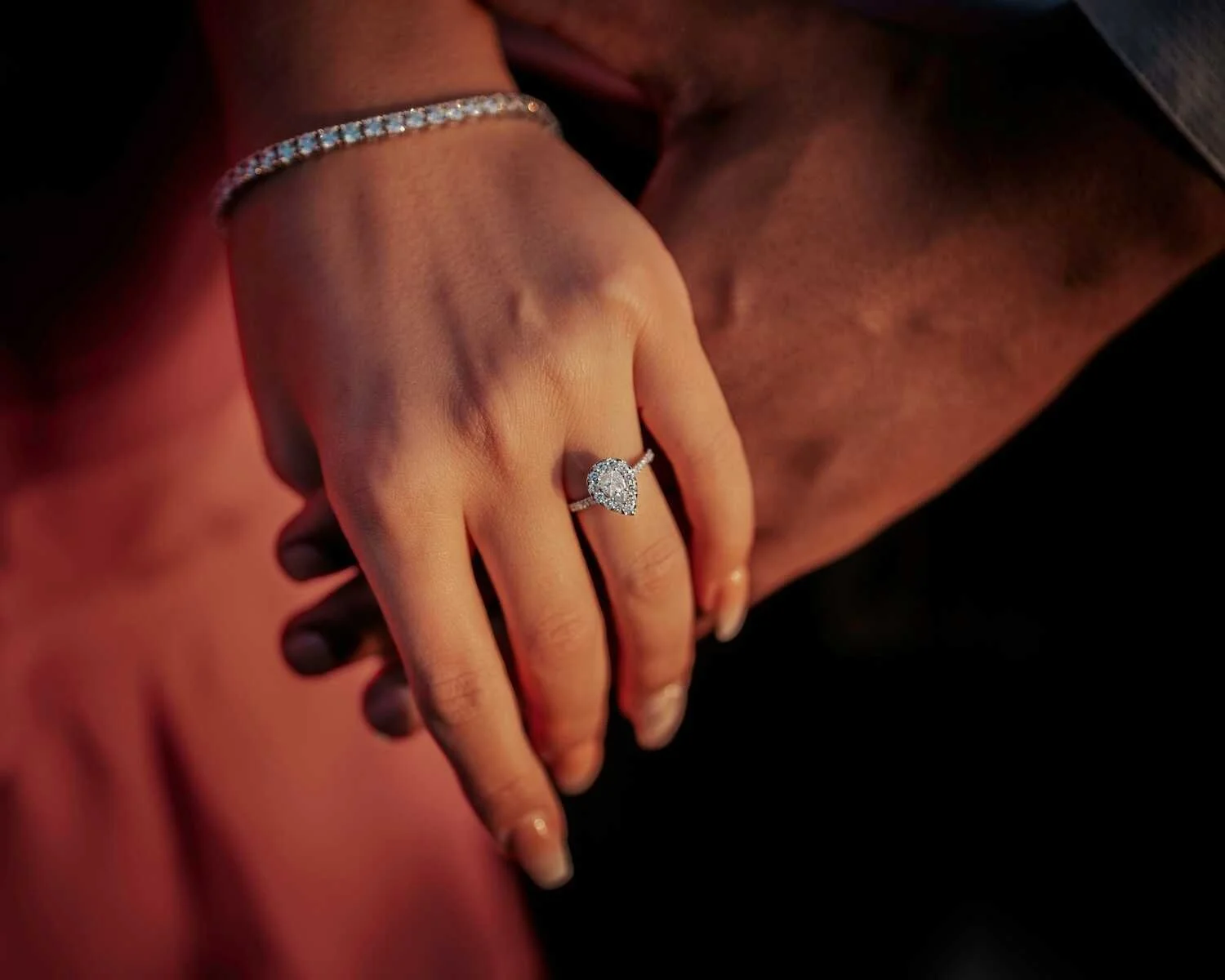
An engagement ring sits on your hand through coffee spills, keyboard typing, grocery runs, and late nights finishing work. It shows up in every photo, catches light during ordinary conversations, and becomes part of how you present yourself to the world each morning. The ring you chose for one of the most meaningful moments of your life now needs to work alongside cotton t-shirts, blazers, running shoes, and everything in between.
Getting this balance right takes some thought about metals, settings, and how your ring interacts with the pieces already hanging in your closet. The good news is that certain design choices make everyday coordination easier without sacrificing the look you wanted in the first place.
Why Setting Style Matters for Daily Wear
The bezel setting has become one of the most requested design elements in 2026. Metal fully encircles the stone in this configuration, which does two things at once. It creates a sleek, contemporary look, and it provides solid protection for the center gemstone.
Prongs can bend and snag on sweater fibers, bag straps, and coat pockets. Bezels hold the stone snugly against movement and contact. If your wardrobe leans toward chunky knits, textured fabrics, or garments with loose weaves, a bezel setting will cause fewer interruptions during your day.
Prong settings remain popular for their ability to let light enter the stone from multiple angles. If you choose prongs, consider how high they sit above the band. Lower profiles catch on fewer things.
Choosing Stone Cuts That Work With Casual Outfits
Elongated diamond cuts have become the most requested shapes in 2026. Marquise and oval shaped engagement ring styles create a lengthening effect on the finger, which pairs well with relaxed wardrobe pieces like linen blouses or denim jackets. A radiants cut or elongated cushion offers similar proportions without the pointed ends, making them easier to wear during daily tasks. Lab-grown options have made two-carat stones more accessible, so larger elongated cuts now appear in settings meant for regular use rather than special occasions alone.
Mixing Metals Without Looking Mismatched
The idea that you should stick to one metal color across all your jewelry has faded. Mixed metal engagement rings rank among the top trends of 2026 because they blend with pieces you already own and wear every day.
Yellow gold, white gold, rose gold, and platinum can appear in the same outfit without looking accidental. The key is proportion. A common guideline suggests keeping 70% of your visible metal in one color and 30% in another. This creates a sense of intention rather than randomness.
If your engagement ring features rose gold and your watch has a silver-toned case, adding a thin rose gold bracelet or ring on your opposite hand brings the whole look together. The same principle applies to earrings and necklaces.
Pairing Rings With Workwear
Office attire often involves structured pieces, tailored fits, and muted colors. Rings with geometric settings or step-cut stones like emerald and asscher cuts complement these clothes well. Their straight lines echo the angles found in blazers, button-downs, and tailored trousers.
Consider how your ring looks against your sleeve cuffs. If you wear watch straps or bracelets regularly, check that the metals and proportions work together when your wrist is visible during meetings or presentations.
Larger stones attract more attention. In conservative work environments, lower-profile settings with modest carat weights may feel more appropriate for daily use. You can always save bolder pieces for evenings and weekends.
Casual Weekends and Active Days
Denim, sneakers, simple tees, and canvas bags form the backbone of most weekend wardrobes. Rings with softer curves, like oval or round cuts, tend to look at home against these fabrics and textures.
Yellow gold adds warmth to neutral weekend outfits built around tan, cream, white, and olive tones. White gold and platinum pair well with cooler colors like navy, grey, and black.
During physical activity, consider removing your ring or choosing days when you wear a silicone band instead. Even well-protected settings can sustain damage from weights, rock walls, or impact sports.
Evening and Dressy Occasions
A ring worn daily should still hold its own when you dress up. Solitaire settings have an inherent formality that transfers well from jeans to cocktail dresses. Halo settings add sparkle that catches light in dim restaurants and event spaces.
Stacking additional bands on either side of your engagement ring creates visual weight appropriate for more polished looks. Thin, plain bands work for most occasions, while pavé bands add brightness for formal events.
Coordinating With Nail Color
Your ring appears directly next to your nails in nearly every photograph and glance downward. Certain polish shades bring out warmth or coolness in your metal and stone.
Yellow gold looks rich against warm nail colors like coral, terracotta, burgundy, and nude shades with peachy undertones. White gold and platinum pair well with cool tones like mauve, grey, berry, and classic red. Rose gold sits somewhere in the middle and works with both warm and neutral polish choices.
Bare nails or pale pink polish rarely clash with any ring combination.
Building a Jewelry Wardrobe Around Your Ring
Your engagement ring can serve as the anchor for the rest of your collection. Once you know its metal color, stone shape, and overall style, you can select earrings, necklaces, and bracelets that share one or two of those elements.
Complete matching is unnecessary. A round brilliant engagement ring can sit alongside geometric studs if the metal tones coordinate. An Art Deco style ring can work with minimalist chain necklaces when the metal family stays consistent.
Buy pieces gradually. Observe what you actually wear and what sits untouched in your jewelry box. Let your daily habits guide future purchases rather than building a theoretical collection all at once.
Seasonal Adjustments
Summer wardrobes tend toward lighter fabrics, brighter colors, and more exposed skin. Rings become more visible in these months. Yellow and rose gold gain warmth from natural sunlight, which flatters tanned skin.
Winter months involve layered sleeves, gloves, and lower light conditions. Platinum and white gold retain their brightness in indoor lighting. Larger stones with strong sparkle become more noticeable against dark fabric backdrops.
Your ring remains constant across seasons, but your styling choices can shift to make it work harder in different contexts.