
7 Things to Pack Before Taking Your Dog on a Fall Road Trip: Vet Approved Tips
Fall road trips with a dog have a particular kind of appeal. The weather is cooler, trails are often less crowded, and long drives feel a little easier when the scenery is changing by the mile.
But autumn also brings a few travel complications that are easy to overlook. Temperatures can swing quickly, daylight disappears earlier, ticks may still be active, and unfamiliar destinations can make even a simple veterinary concern harder to manage.
A thoughtful packing list can help prevent small problems from becoming stressful ones. Before loading up the car, make sure these seven essentials are coming with you.
1. Plenty of fresh water and a travel bowl
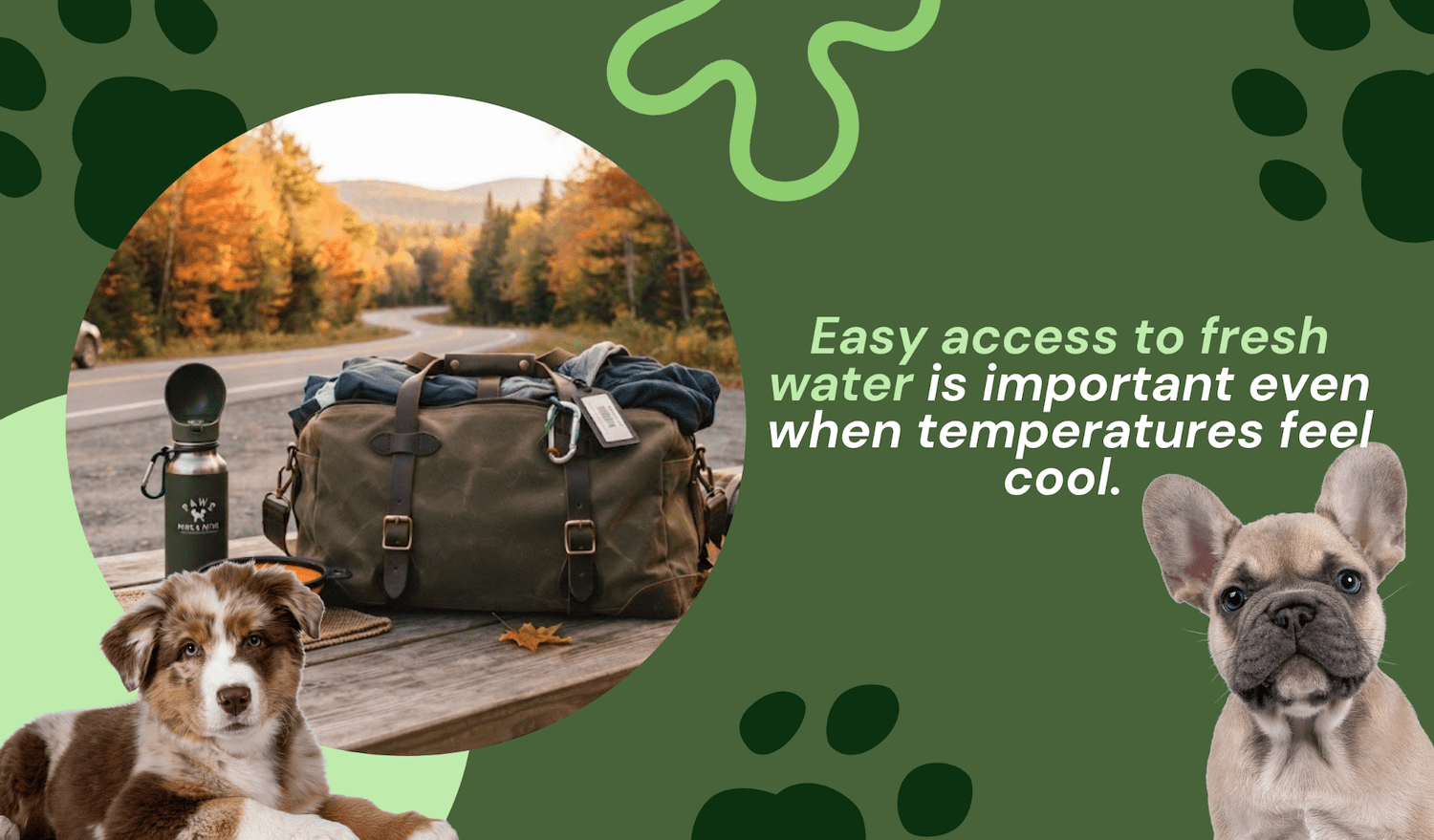
Cooler weather can make dehydration seem less likely, but dogs still need regular access to fresh water during long drives, hikes, and outdoor stops.
Pack enough water for the planned journey, plus extra in case traffic, weather, or an unexpected detour adds time to the trip. A collapsible bowl or travel bottle makes quick hydration stops much easier than digging through luggage for a full-size bowl.
The CDC advises travelers to bring enough food and water for pets and to plan regular breaks so dogs can stretch, drink, and relieve themselves.
Try to keep your dog's food routine familiar as well. A road trip is usually not the ideal time to introduce a new diet, especially if your dog is already prone to digestive upset in the car.
2. A secure harness, leash and spare
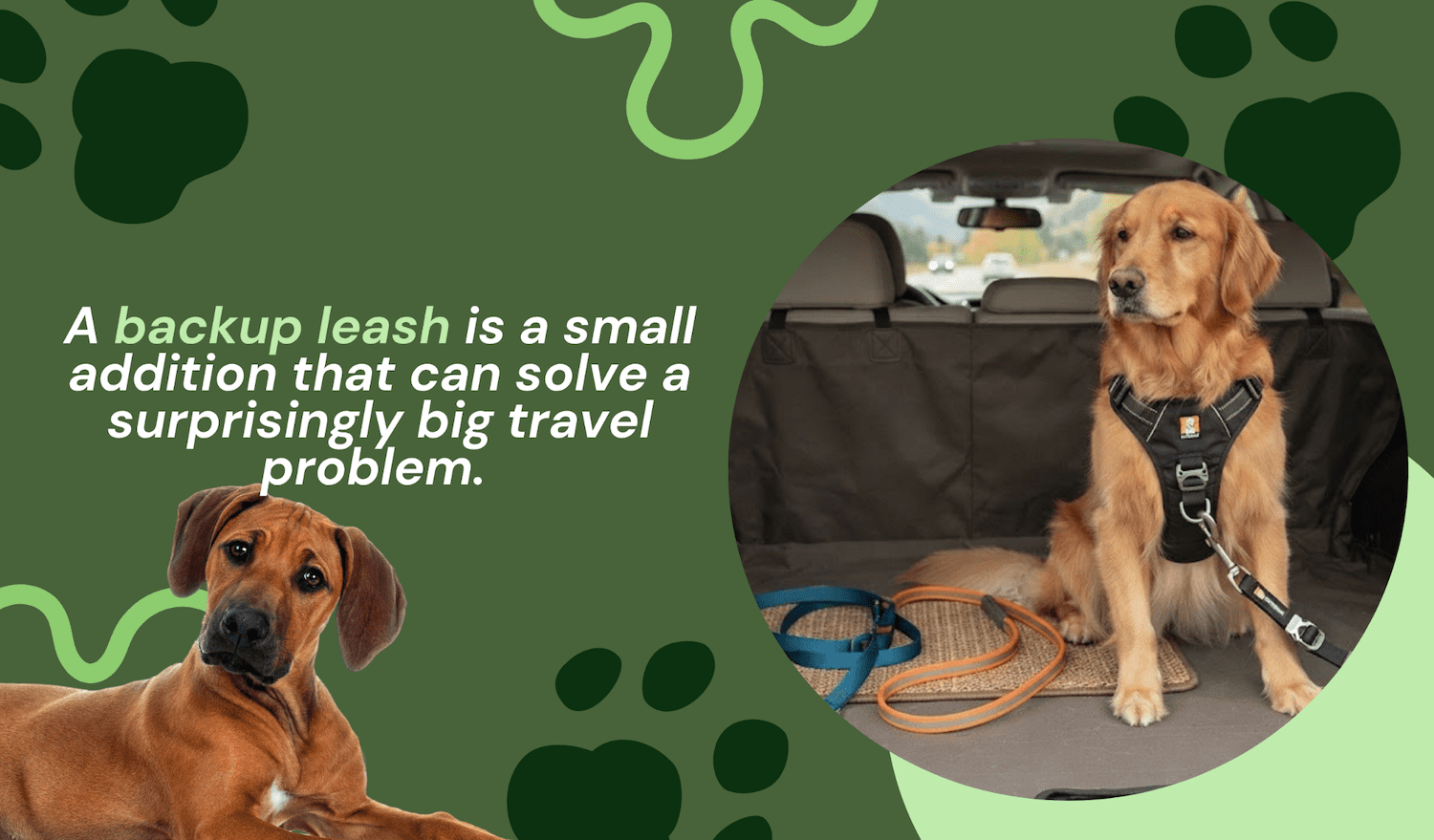
A leash is one of the easiest travel essentials to assume you will never lose. Unfortunately, it is also one of the easiest things to leave behind at a rest stop, trailhead, hotel, or campsite.
Pack your dog's regular leash and harness along with a backup. Sploot's road-trip guidance also recommends bringing a well-fitting harness and an extra leash as part of a practical travel setup.
Inside the car, your dog should be safely restrained rather than moving freely between seats.
Depending on your dog's size and comfort level, that may mean a secured crate or an appropriate canine vehicle-restraint system.
If hiking is part of the itinerary, check pet and leash rules before you arrive. National parks, state parks, and individual trails can have very different restrictions. Even destinations that welcome dogs may only permit them in certain areas.
3. Veterinary records and emergency contact information
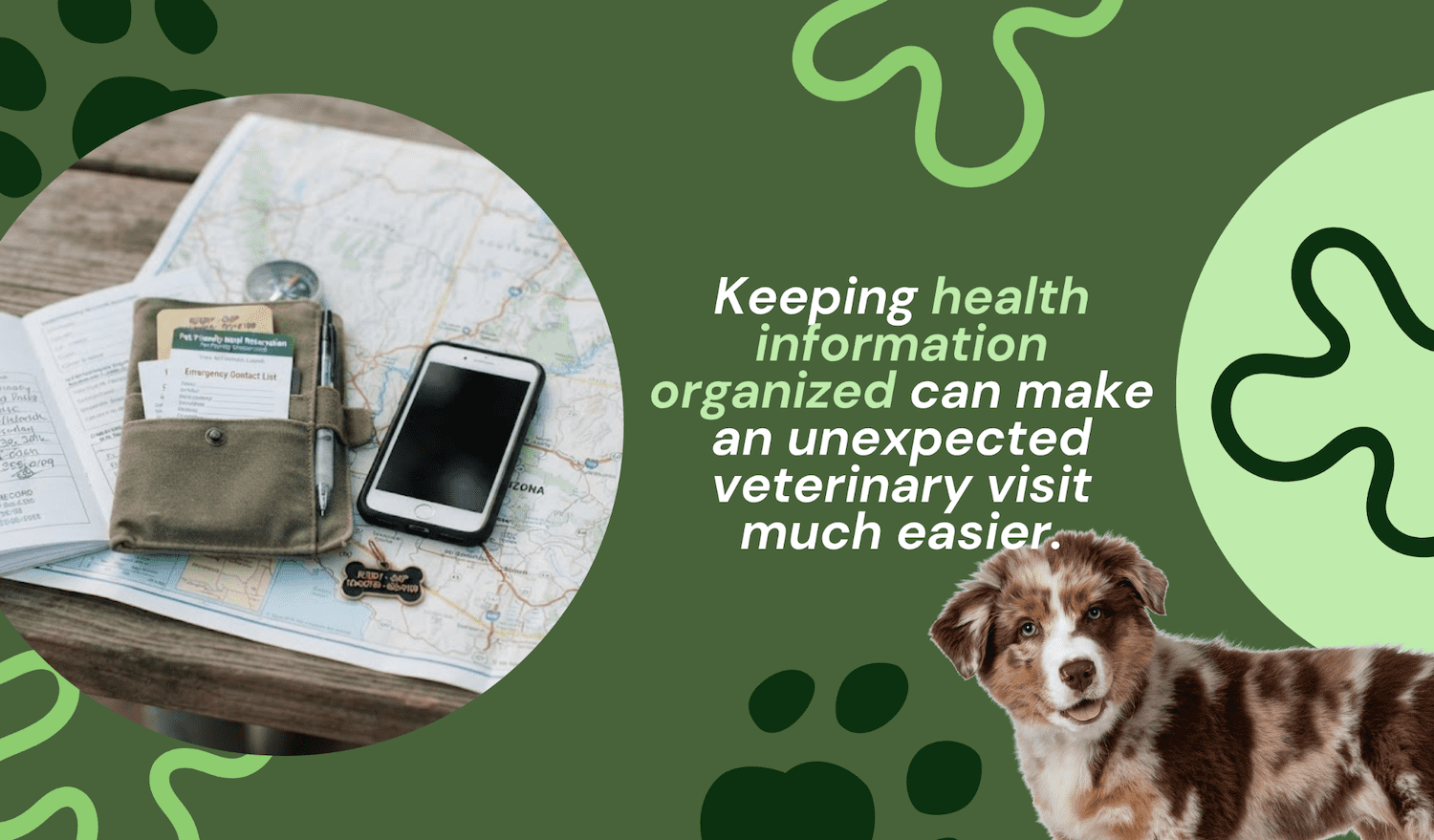
Most dog road trips are pleasantly uneventful, but knowing where to turn if your dog becomes sick or injured can make a stressful situation far more manageable.
Bring or save copies of important information, including vaccination records, current medications, your dog's microchip details, your regular veterinarian's contact information, and any significant medical history.
If you are traveling across state lines, check pet-entry requirements before departure. Depending on the destination, health documentation or vaccination records may be required.
It is also worth identifying veterinary clinics near your destination before you leave, particularly ones that offer same-day or extended-hours care. Denver-area travelers, for example, can save the details for Sploot’s Denver vet clinic, which offers convenient availability, open 365 days a year from 8 a.m. to 8 p.m. and offers same-day appointments, making it particularly practical for people traveling with pets.
Having a clinic identified in advance means you are not scrambling to research local veterinary options from an unfamiliar roadside, hotel room, or rental property if your pet suddenly becomes unwell.
4. Regular food, medications and parasite prevention
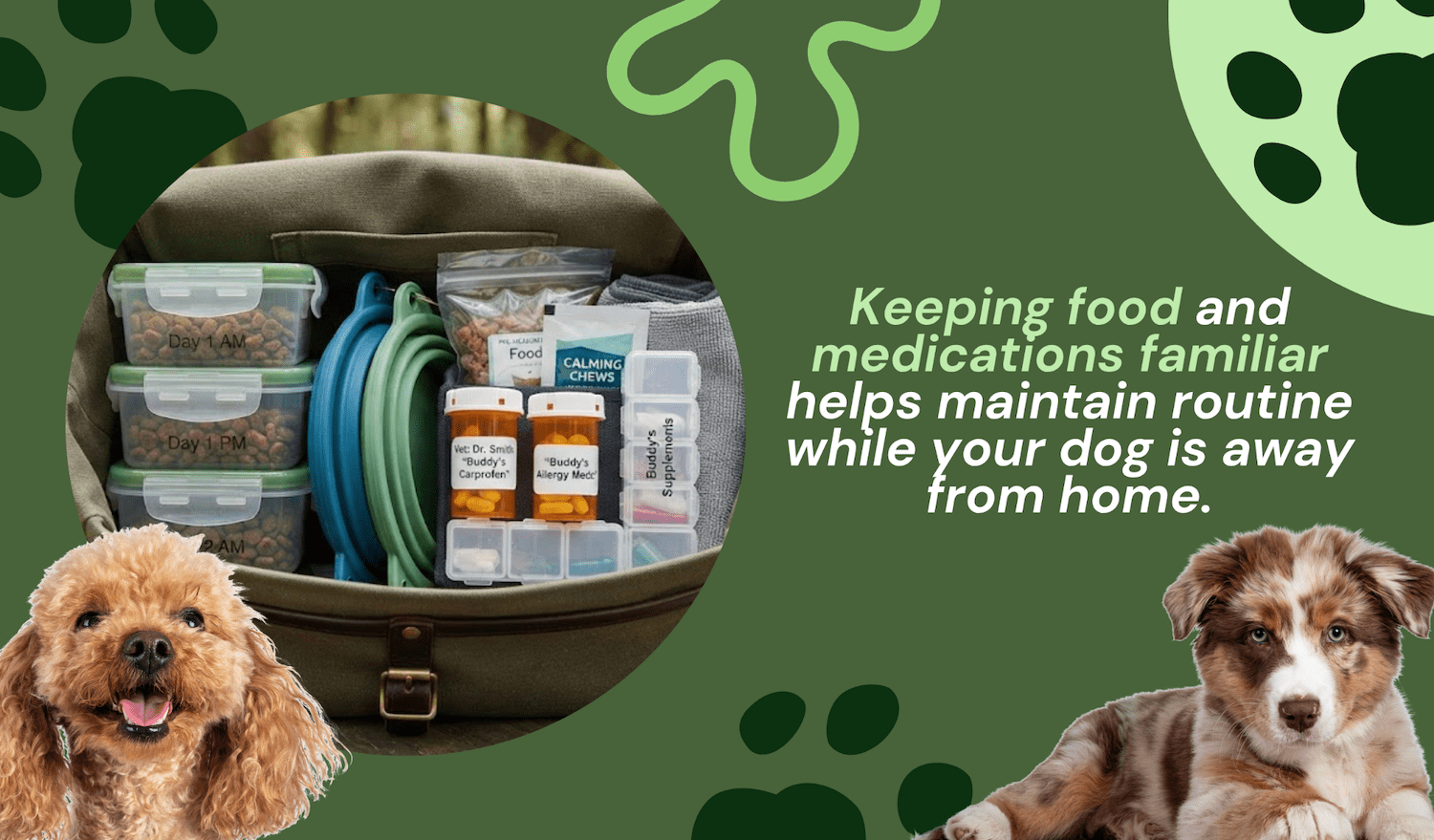
Bring enough of your dog's regular food for the full trip, then add a little extra for unexpected delays.
Pre-portioned meals can make feeding easier in hotels or campsites, while sealed containers help keep food fresh and inaccessible to curious dogs.
Prescription medications should travel with you as well, ideally in their original or clearly labeled containers. Follow your veterinarian's instructions for timing and dosing, even if the day's travel schedule is different from normal.
Fall weather does not necessarily mean fleas and ticks have disappeared. Sploot's seasonal pet guidance notes that parasites may remain active into autumn, so dogs should continue veterinarian-recommended prevention based on their individual risk and location.
If the trip includes wooded trails, tall grass, or warmer regions, check your dog's coat and skin after outdoor adventures and speak with your veterinarian if you are unsure which preventatives are appropriate.
5. A compact first-aid and cleanup kit
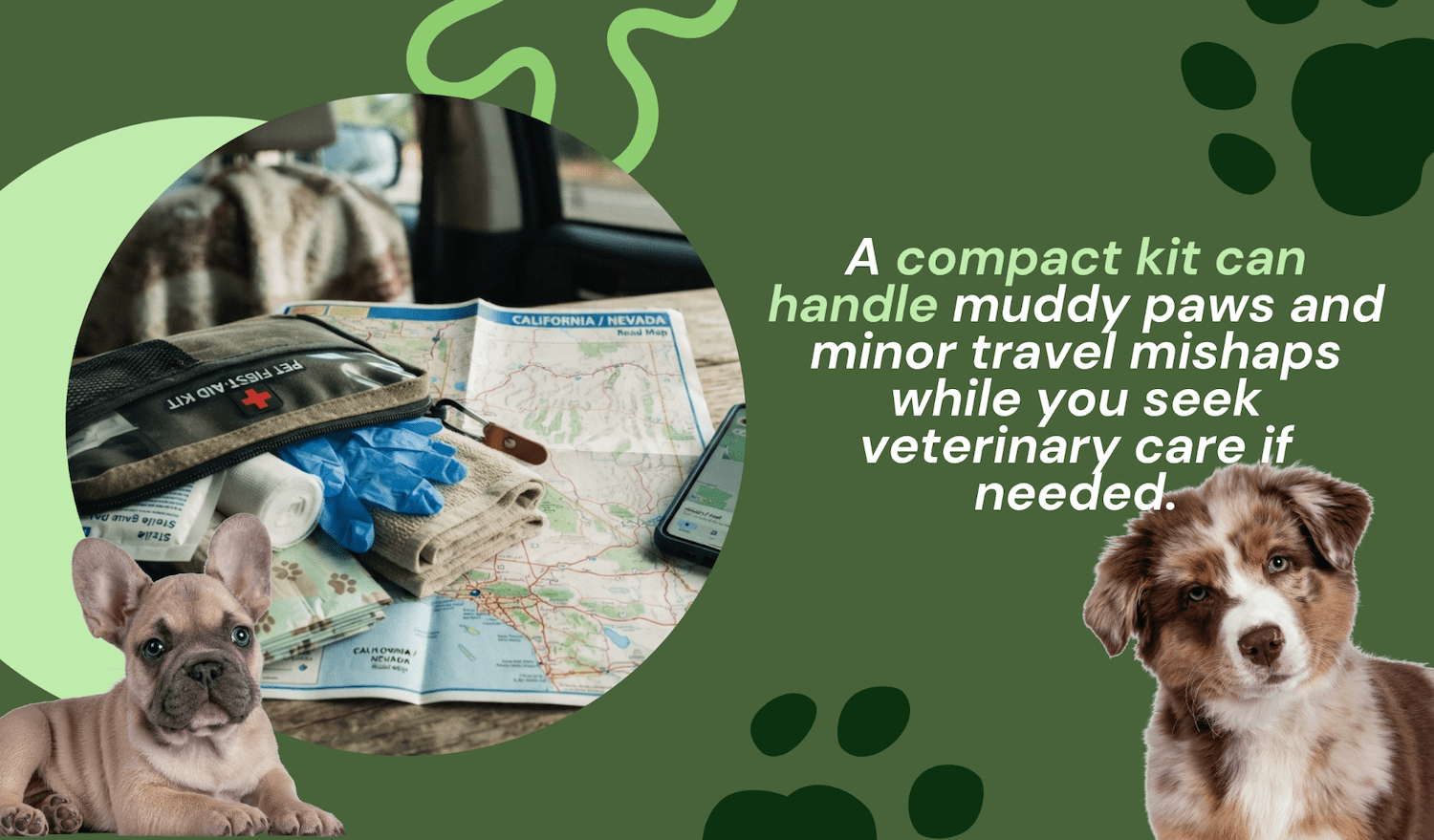
Fall trips have a habit of involving mud, wet leaves, burrs, dirty paws, and the occasional scraped pad.
Pack a simple travel kit containing waste bags, clean towels, disposable gloves, and basic pet first-aid supplies recommended by your veterinarian. It can also be useful to carry any products you normally use for cleaning paws or managing minor messes safely.
The purpose of a first-aid kit is not to replace veterinary care. It is there to help you manage a minor situation or keep your dog comfortable while arranging professional help.
Autumn also brings seasonal hazards around vehicles. Antifreeze is highly dangerous to pets, so do not allow your dog to investigate puddles or spills in parking lots, driveways, garages, or service stations.
6. Something familiar from home
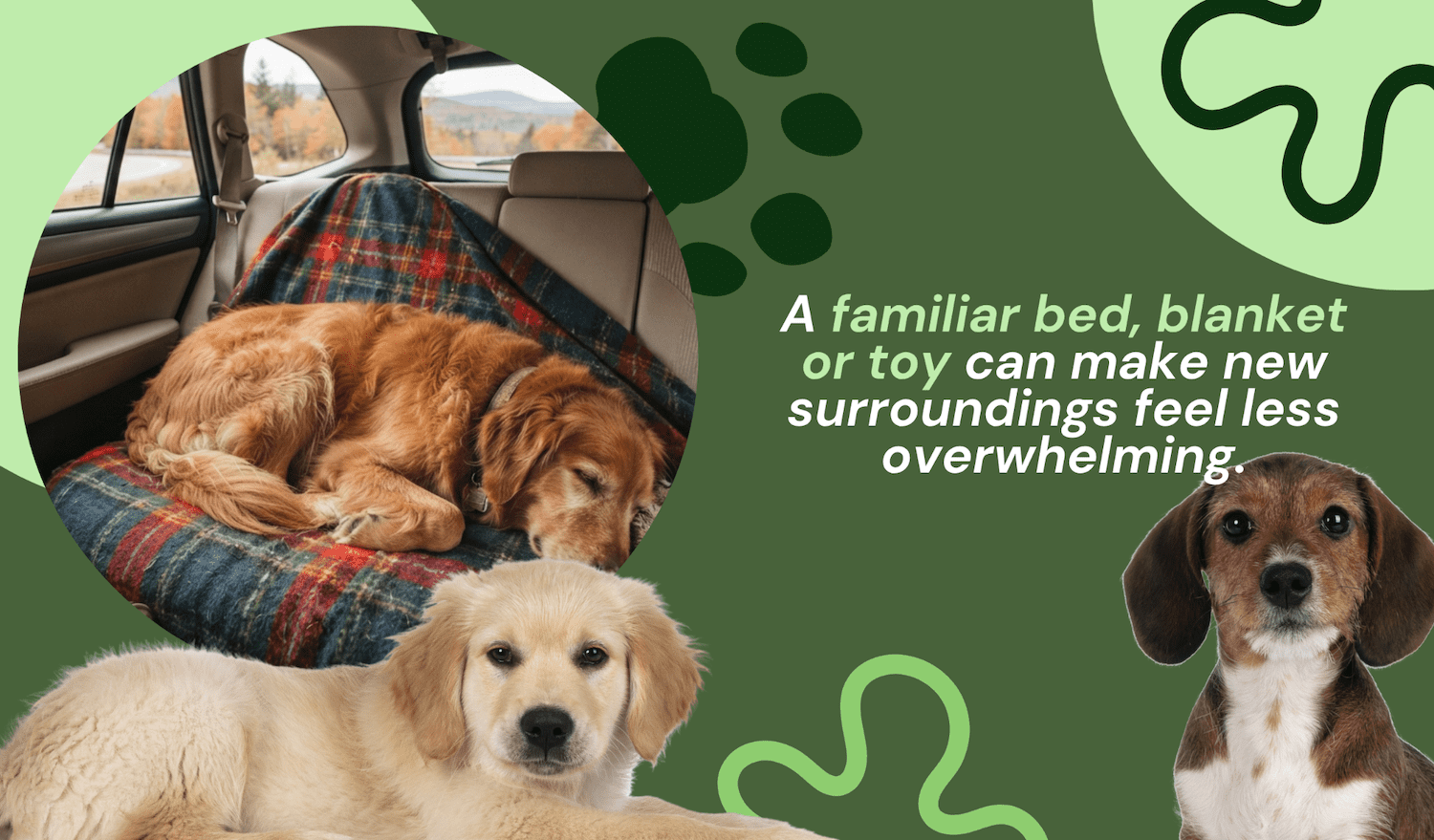
Hotels, rental cabins, unfamiliar houses, and campgrounds can be exciting for some dogs and stressful for others.
A favorite blanket, bed, or sturdy toy can provide a familiar scent in a completely new environment. This is particularly useful for dogs that struggle with changes in routine.
Dogs that find driving stressful may also benefit from gradual preparation for unfamiliar travel environments, rather than experiencing their first long car journey on departure day.
If your dog regularly pants excessively, drools, vomits, trembles, or shows significant distress in the vehicle, talk with your veterinarian before the trip. Avoid giving unfamiliar calming products or medications without professional guidance.
7. Gear for changing temperatures and shorter days
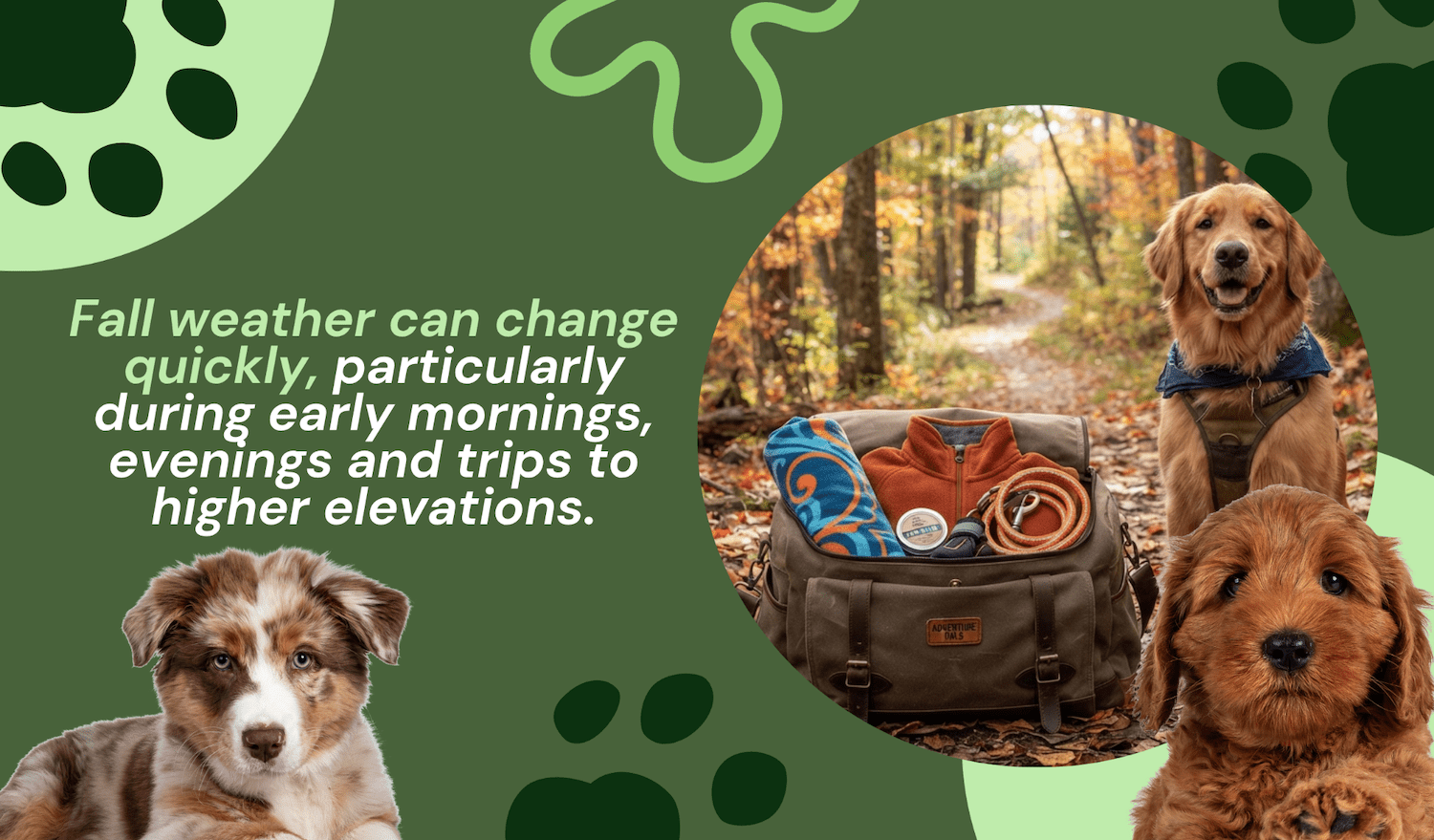
A sunny fall afternoon can turn into a cold evening surprisingly quickly.
What your dog needs will depend on breed, coat, age, health, size, and destination. Some dogs are comfortable in cooler weather, while short-haired, very small, senior, or medically vulnerable dogs may need additional warmth sooner.
Pack a dry towel and appropriate bedding even if the weather forecast looks good. If your dog normally wears a coat or other cold-weather gear, bring it rather than assuming autumn temperatures will stay mild.
Earlier sunsets are another seasonal consideration. Reflective leashes, harnesses, collars, or lights can make dogs easier to see during evening bathroom breaks, roadside stops, and campground walks.
And no matter how pleasant the weather feels outside, never leave a dog unattended in a parked car. Interior vehicle temperatures can become unsafe in both warm and cold conditions.
A little planning makes the fun part easier
The best dog road-trip packing list is not necessarily the longest one.
What matters most is having the items that would be inconvenient, stressful, or difficult to replace when you are far from home: fresh water, familiar food, medication, identification, secure travel gear, basic cleanup supplies, comfort items, and a clear veterinary plan.
Once those basics are covered, the rest of the trip can be about the reasons you planned it in the first place: colorful roads, quiet trails, crisp mornings, new places to explore, and a dog who gets to come along for the adventure.